


Angolan homes tell the story of its people—rooted in tradition, shaped by colonial history, and evolving with urbanisation. From Luanda’s bustling cityscapes to tranquil rural villages, Angolan architecture and interior design reflect the nation’s cultural tapestry, family values, and tropical environment.
Diverse Architecture
Angolan homes vary dramatically depending on location and socioeconomic status. In urban centres like Luanda, Benguela or Lubango, modern apartments, gated villas and colonial-era townhouses dominate the skyline. These buildings often draw from Portuguese colonial architecture, featuring arched windows, tiled roofs and shaded verandas.
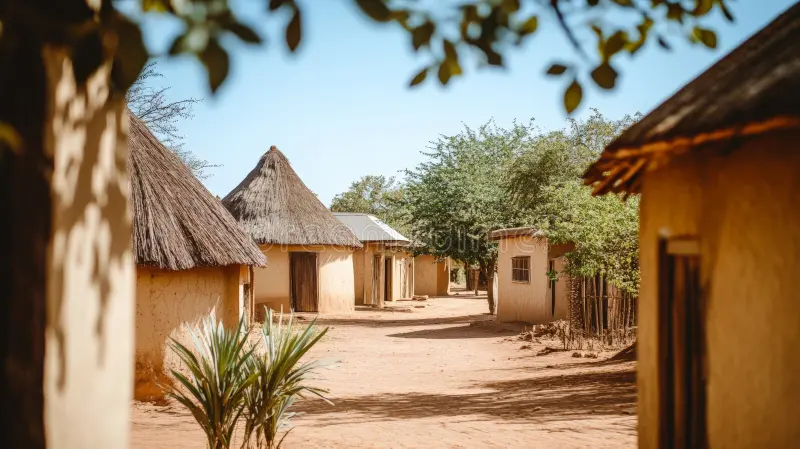
Meanwhile, in rural areas such as the provinces of Huambo or Moxico, homes are more modest and traditional. Adobe huts with thatched roofs are still common. These structures are typically circular or rectangular, built with local materials like clay and wood, suited to the climate and easy to maintain.
One unique architectural feature in both urban and rural settings is the veranda—a space that bridges indoor and outdoor living. Whether it’s a concrete patio in Luanda or a shaded area outside a rural dwelling, the veranda is often where families gather to relax, cook, or host guests.
Urban vs Rural Living
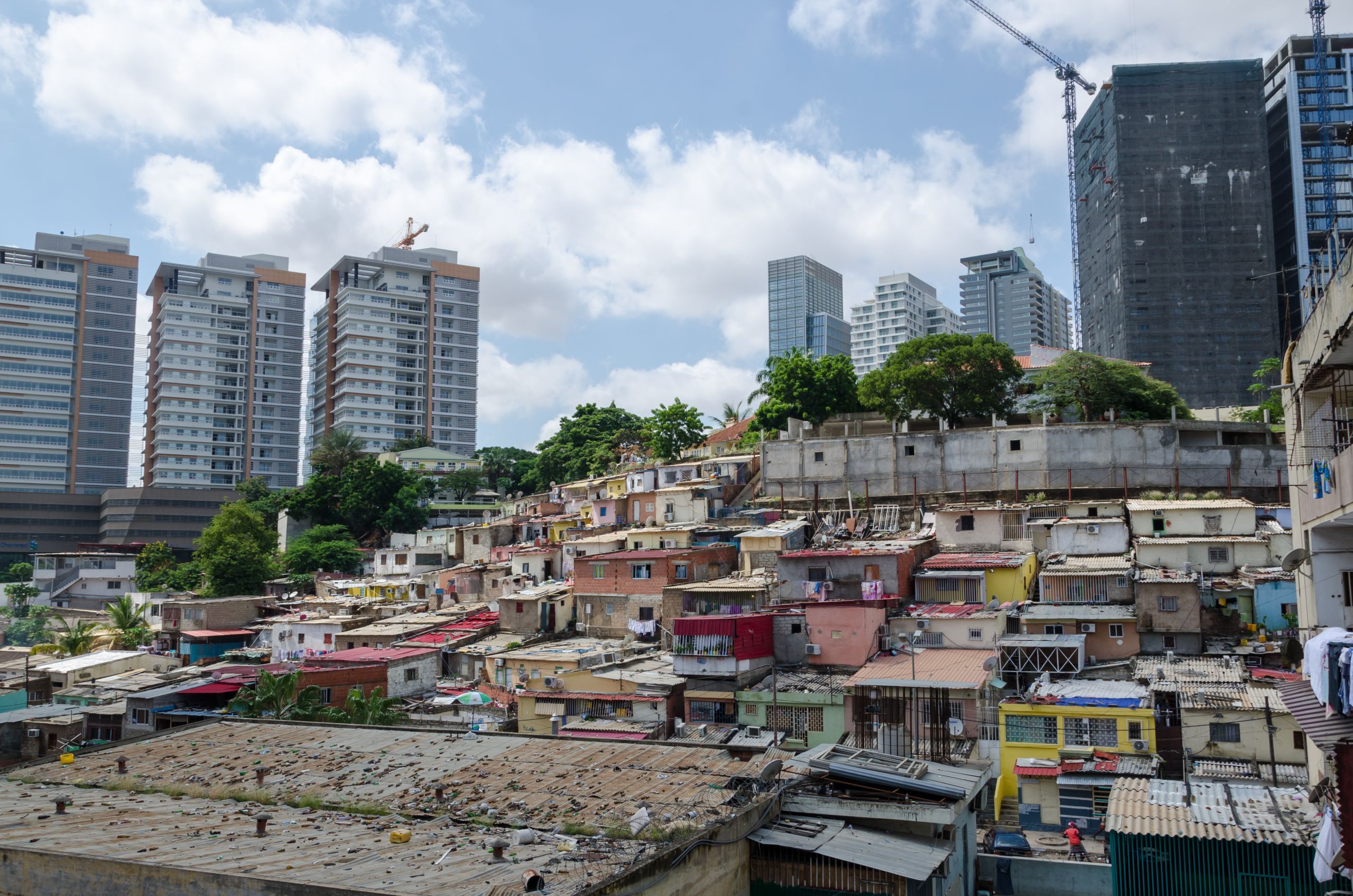
Urban homes are generally more compartmentalised, with defined rooms for cooking, sleeping, and entertaining. Many city dwellers live in apartments or multi-storey buildings, with access to amenities such as electricity, running water and the internet. However, urban housing can also be affected by overcrowding and infrastructural strain, especially in rapidly growing suburbs.
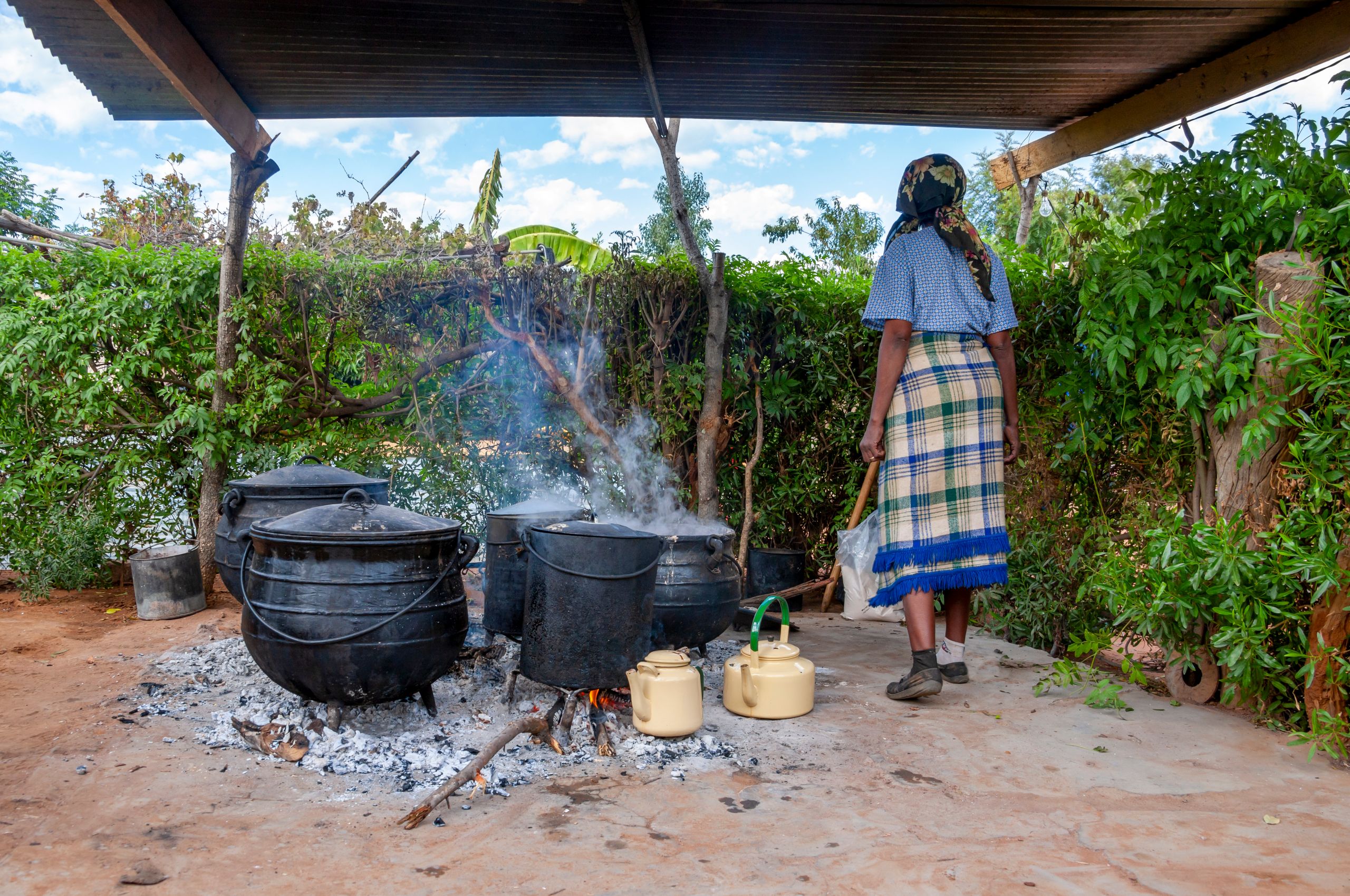
In contrast, rural homes operate with more communal living principles. Extended families often live together, and much of daily life—including food preparation and washing—happens outside. Cooking is often done in separate open-air kitchens using firewood or charcoal. Rainwater collection systems and solar panels are increasingly being adopted to improve sustainability in off-grid areas.
Despite the differences, both urban and rural Angolan homes place a strong emphasis on hospitality. Guests are always welcomed with warmth, food, and conversation, reinforcing the importance of community in Angolan culture.
How Angolans Entertain at Home
Entertaining in Angola is an intimate affair. Homes are central to celebrations, whether it’s a birthday, religious gathering, or casual get-together. Music plays a major role—expect to hear kizomba, semba, or even live drumming depending on the occasion.
Meals are central to hospitality. Signature dishes like muamba de galinha (spicy chicken stew), funge (cassava or maize porridge), and calulu (a vegetable and fish stew) are prepared in large quantities to serve guests. In many homes, meals are shared around a low table, and it’s not unusual for guests to be served before the hosts eat.
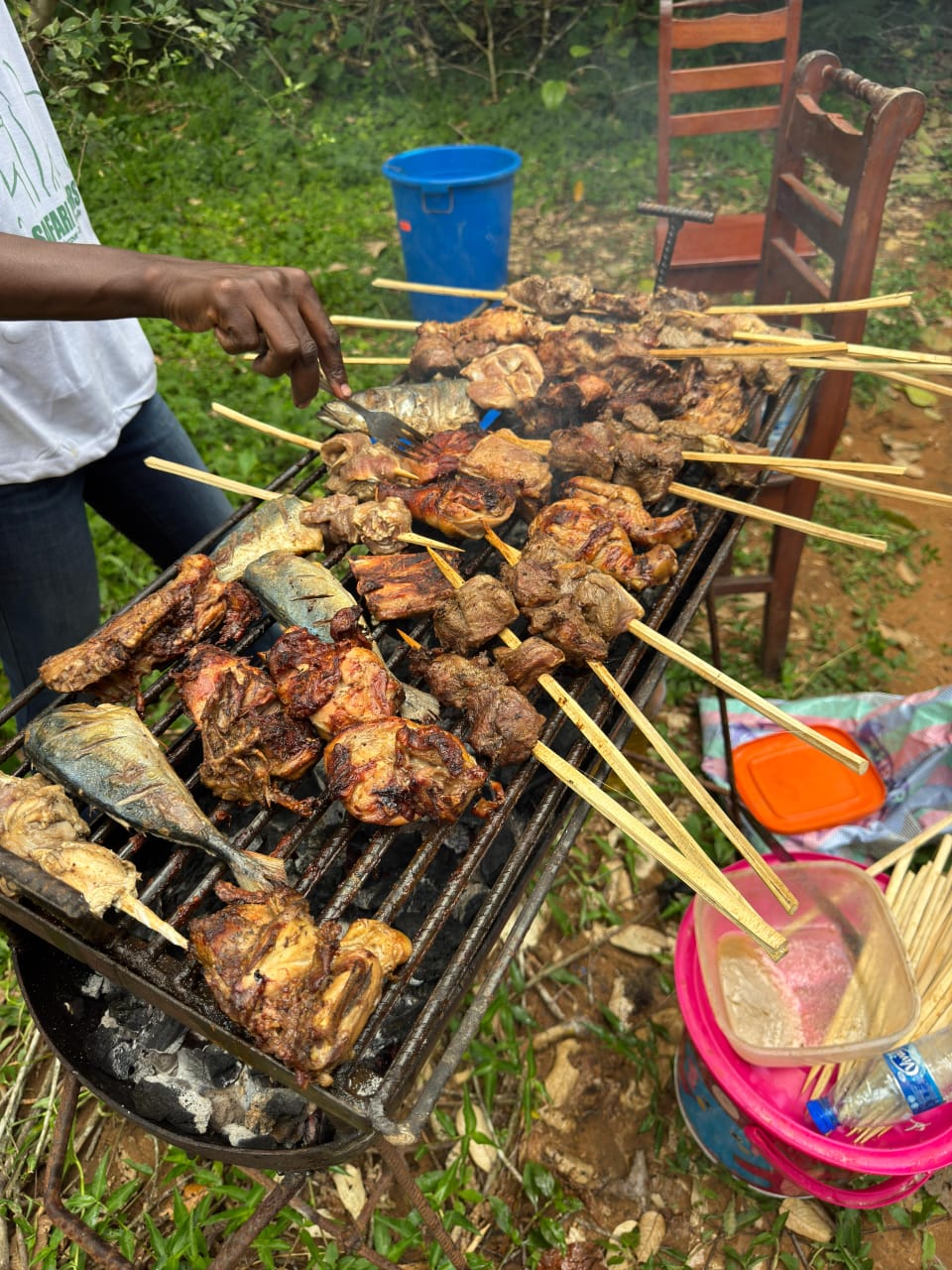
Outdoor spaces are frequently used for entertaining, especially in larger homes. Barbecues (locally called churrascos) are popular, often accompanied by cold drinks and long conversations that stretch well into the evening.
Interior Design
Inside Angolan homes, you’ll find a beautiful blend of practicality, cultural pride, and artistic flair. Furniture tends to be functional and robust—wooden chairs and tables carved by local artisans are common. In wealthier homes, you’ll also find upholstered sofas and Western-style dining sets.
Decorative elements often reflect Angola’s natural beauty and cultural identity. Handwoven baskets, ceramic pots, and masks made by ethnic groups like the Ovimbundu or Chokwe are popular choices. Wall art may include family photographs, religious icons, or local paintings—many of which feature landscapes, markets, or traditional scenes.
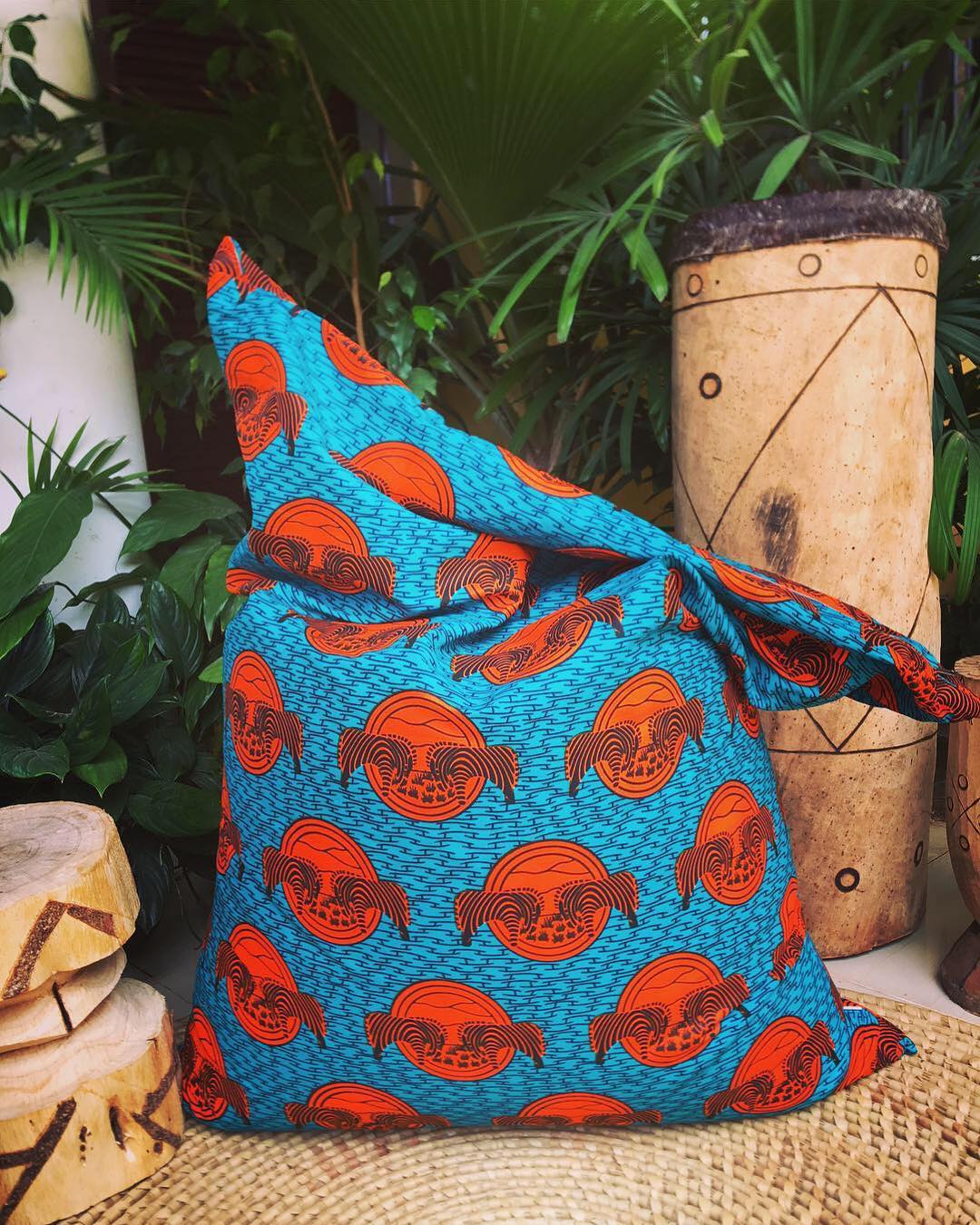
Textiles also play a decorative and symbolic role. Brightly coloured African prints, locally known as pano, are used for curtains, cushion covers and tablecloths. These prints not only brighten the home but often tell a story or mark a special event.
A Home is More Than a Building
Angolan homes are deeply tied to the people who inhabit them. They serve as spaces of comfort, celebration and connection, shaped by heritage and adapting to modern demands. To step inside an Angolan home is to experience not just architecture or interior design—but a warm and generous way of life rooted in culture, resilience, and community.

