

Malian homes are a striking reflection of the country’s rich cultural heritage, diverse landscapes and deeply rooted communal values. From the iconic mud-brick structures of the Sahel to contemporary urban residences in Bamako, homes in Mali balance practicality, climate-conscious design and artistic expression. For global readers curious about African living, exploring Malian homes offers a fascinating glimpse into a lifestyle shaped by tradition, environment and community.
Traditional Malian Architecture
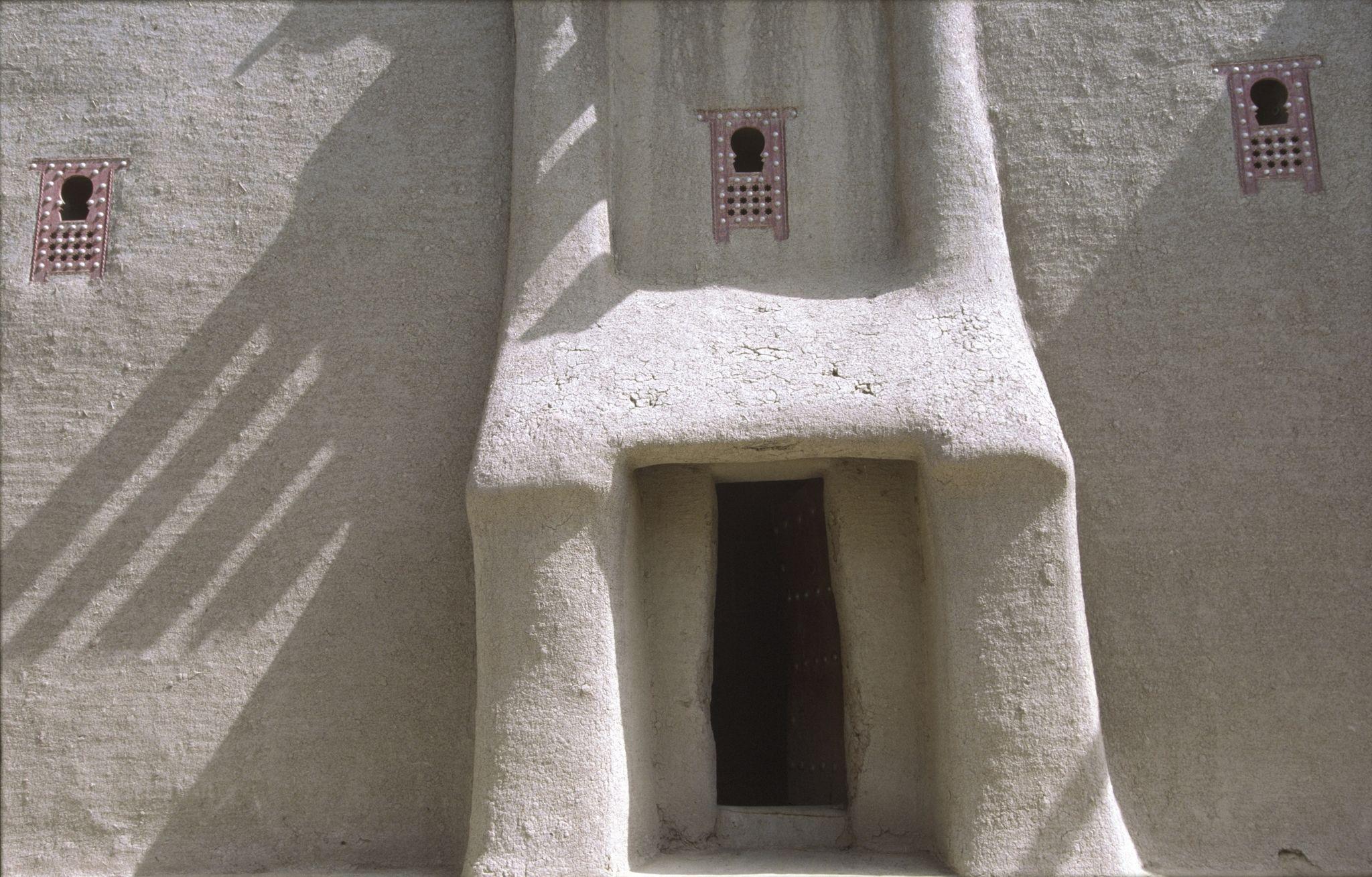
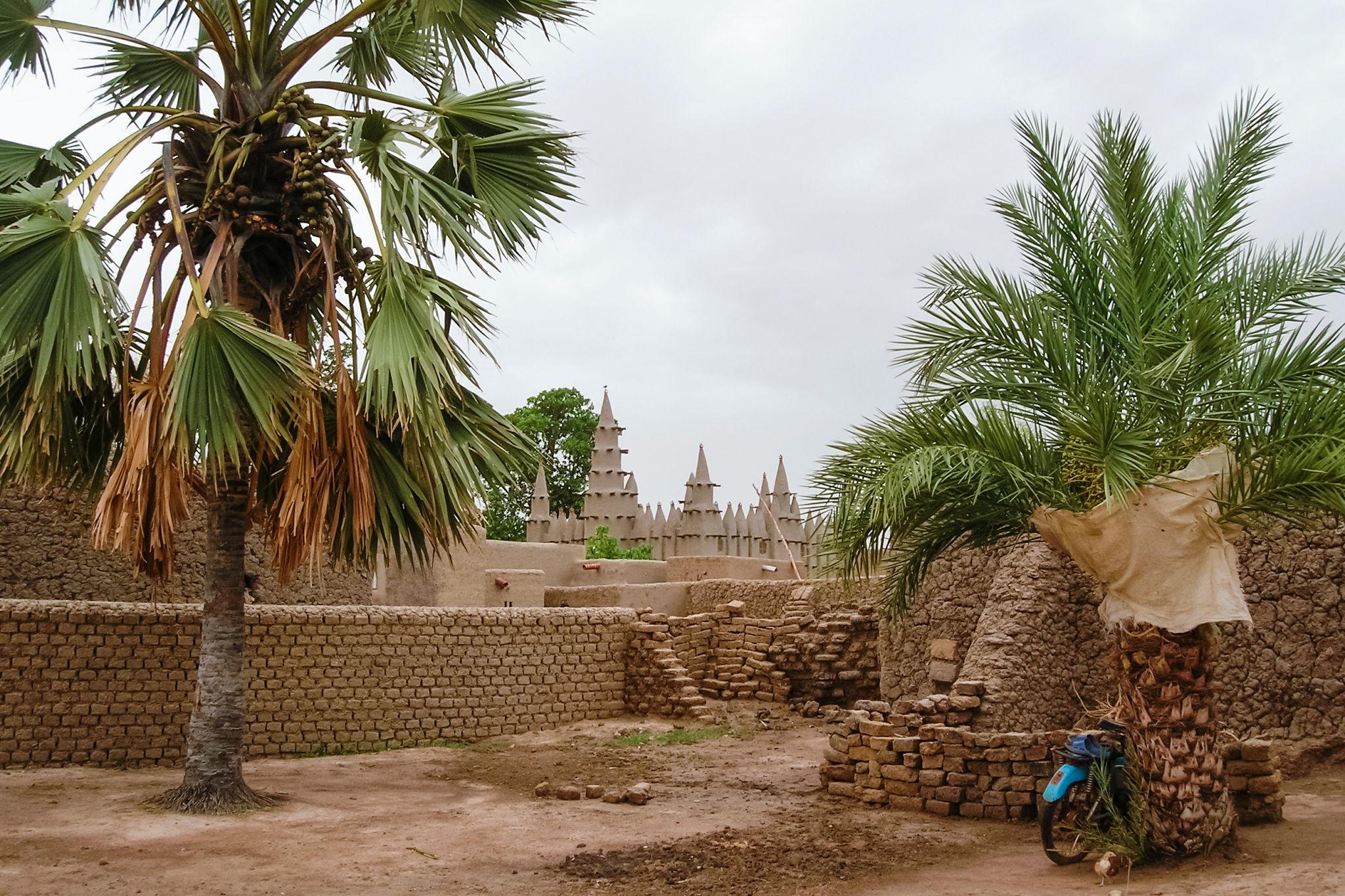
One of the most recognisable features of traditional Malian homes is the use of banco—a mixture of earth and water similar to adobe. This natural material is not only locally sourced and sustainable, but also highly effective at regulating indoor temperatures in Mali’s hot climate.
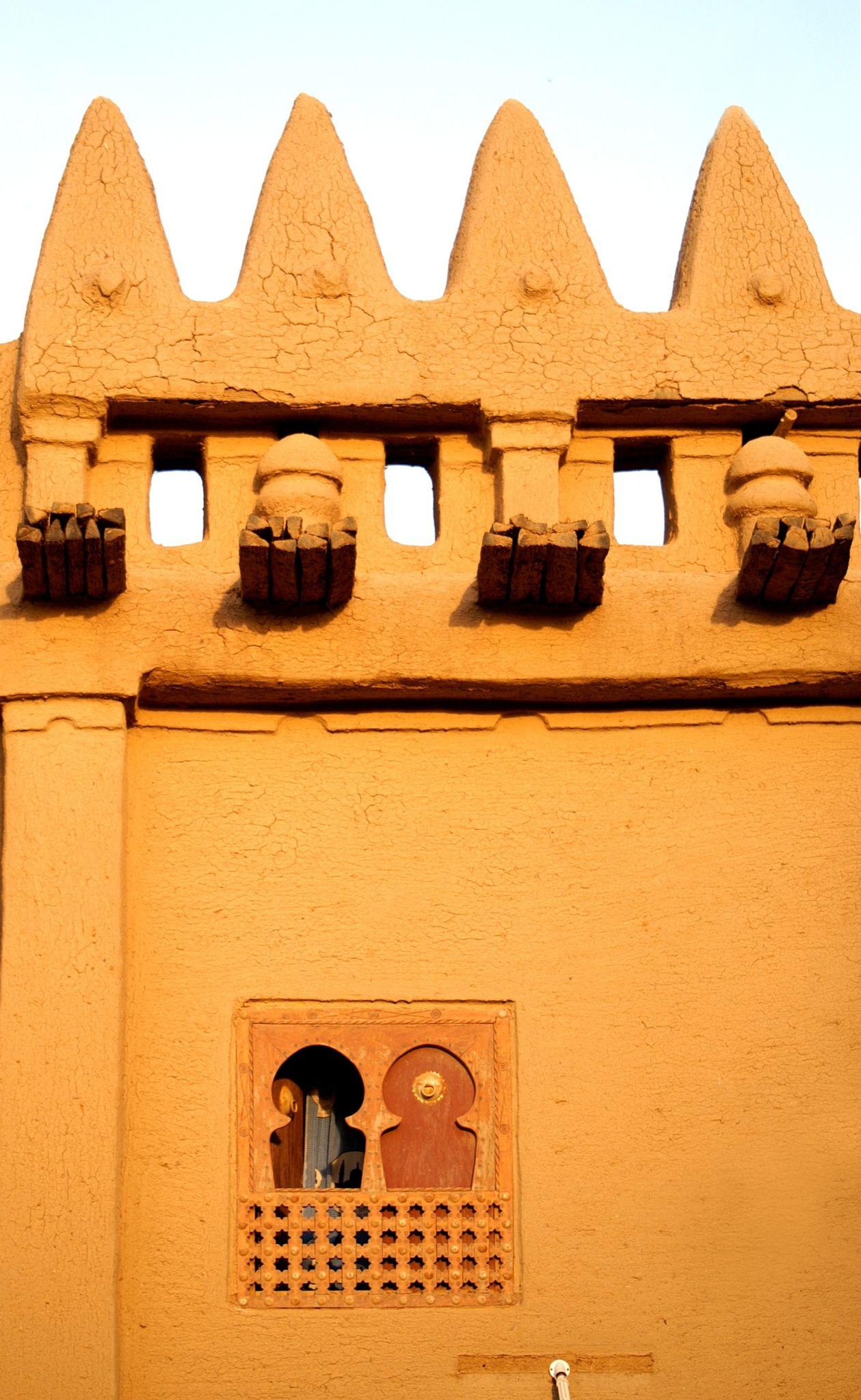
Homes are often designed with thick walls and small windows, keeping interiors cool during the day and warm at night. In regions like Djenné and Timbuktu, architecture is characterised by smooth, sculptural forms with wooden beams protruding from the walls—both decorative and functional for maintenance.
In rural areas, homes are typically organised around a central courtyard, which serves as the heart of family life. This open-air space is used for cooking, socialising, and hosting guests, reflecting the communal nature of Malian society. Among the Dogon people, homes are uniquely built into cliffs or along escarpments, showcasing a deep connection to landscape and spiritual beliefs.
Urban vs Rural Homes in Mali
The contrast between urban and rural homes in Mali highlights the country’s evolving lifestyle.
In rural Mali, homes remain largely traditional, constructed from mud bricks with thatched or flat roofs. Families often live in compounds shared by extended relatives, reinforcing strong kinship ties. Daily life spills outdoors, with much of the cooking, childcare and social interaction happening in communal spaces.
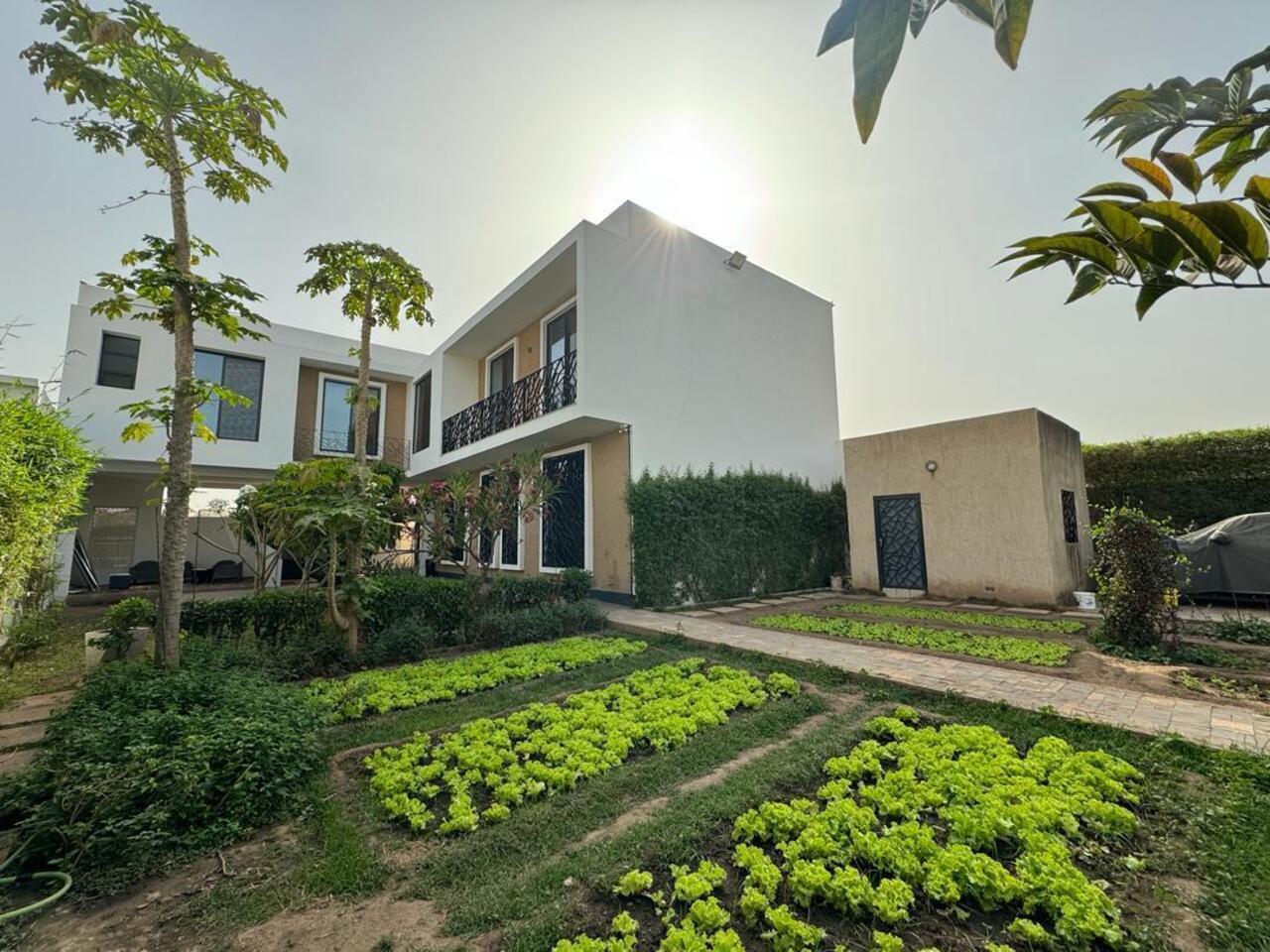
In urban centres like Bamako, housing is more varied. You’ll find cement-built homes, multi-storey houses and gated compounds influenced by modern construction techniques. However, even in the city, many homes retain elements of traditional design—particularly courtyards and shaded outdoor areas.
Urban homes may include amenities such as electricity, running water and contemporary furnishings, reflecting a growing middle class. Yet, hospitality remains a constant across both settings, with guests warmly welcomed and often offered tea or meals.
How Malians Live and Entertain at Home
Hospitality is central to Malian culture, and the home plays a key role in social life. Whether in a rural compound or a city residence, entertaining guests is considered both an honour and a responsibility.
Visitors are often received in a designated seating area—sometimes outdoors under a shaded veranda or within a simple but comfortable living space. A typical gathering might involve sharing attaya (strong green tea prepared in three rounds), storytelling and communal dining.
Meals are frequently served from a shared bowl, reinforcing a sense of unity and togetherness. Floor seating on woven mats or low stools is common, although urban homes may also feature sofas and dining tables.
Celebrations such as weddings, naming ceremonies and religious festivals often extend into the home, transforming it into a lively hub filled with music, food and vibrant attire.
Earthy Textures and Cultural Expression
The interior design of Malian homes is a beautiful blend of functionality and artistry, with a strong emphasis on natural materials and handcrafted items.
Walls are often left in their natural earthen tones, creating a warm, minimalist backdrop. Interiors are then brought to life with textiles such as bogolanfini (mud cloth), known for its symbolic patterns and rich history. These fabrics are used as wall hangings, cushions or throws.
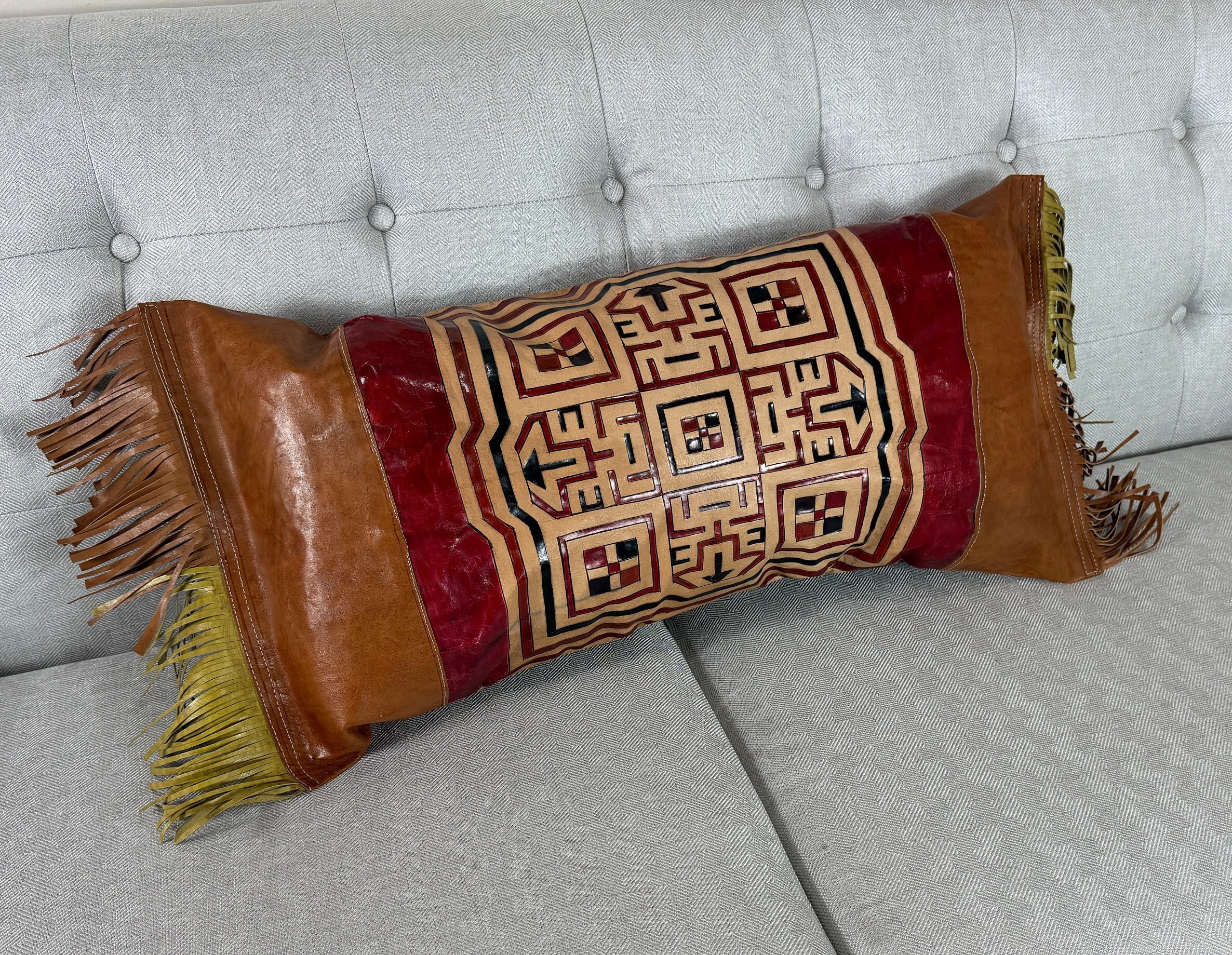
Furniture tends to be low and practical—think wooden stools, woven mats and simple beds. In Tuareg-influenced regions, leather cushions and intricately crafted items add a touch of nomadic elegance.
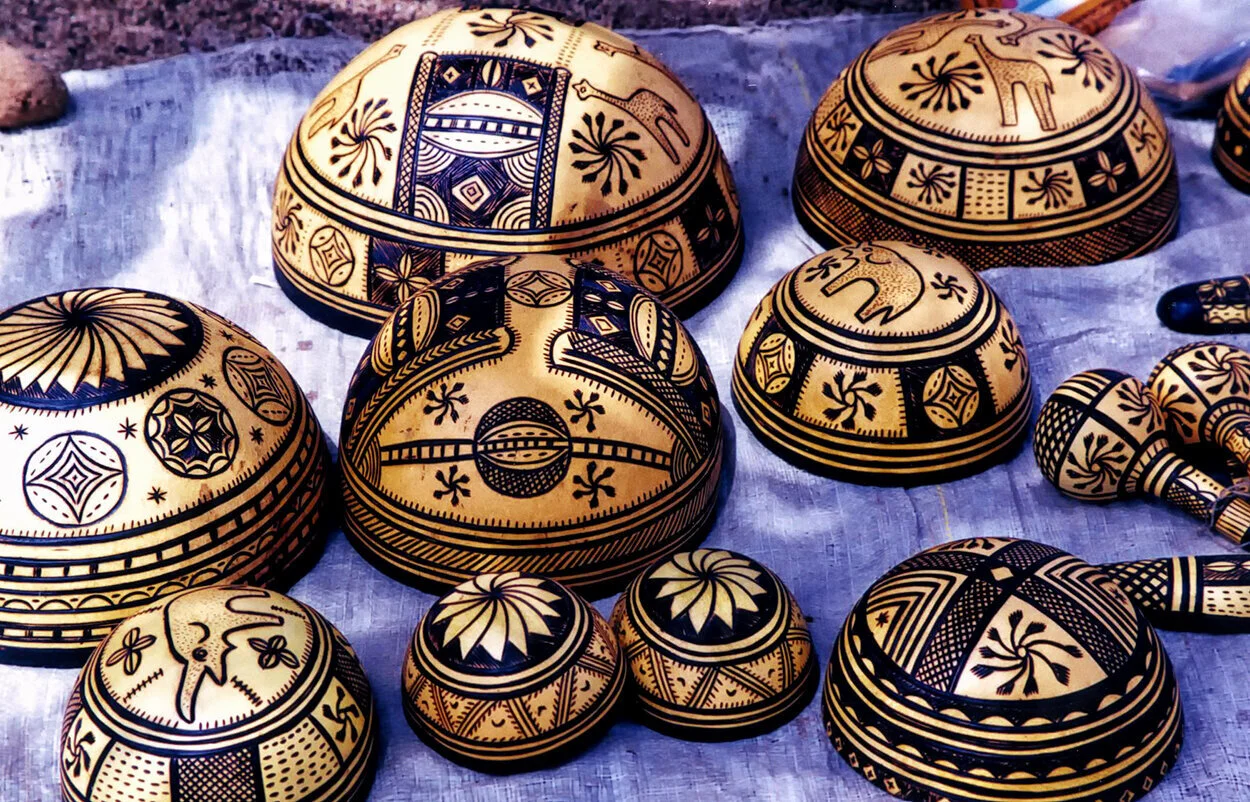
Decorative objects often include calabash bowls, pottery, and handmade baskets, each reflecting local craftsmanship. These items are not just ornamental but also functional, used in everyday life.
Lighting is typically soft and natural, with an emphasis on ventilation and airflow rather than artificial climate control.
A Timeless Blend of Tradition and Modern Living
Malian homes offer more than just shelter—they are living expressions of culture, resilience and creativity. Whether built from earth in a rural village or constructed with modern materials in Bamako, these homes prioritise community, comfort and connection to the environment.
For those seeking design inspiration or cultural insight, Malian interiors demonstrate how simplicity, sustainability and heritage can come together to create spaces that are both beautiful and meaningful.

