

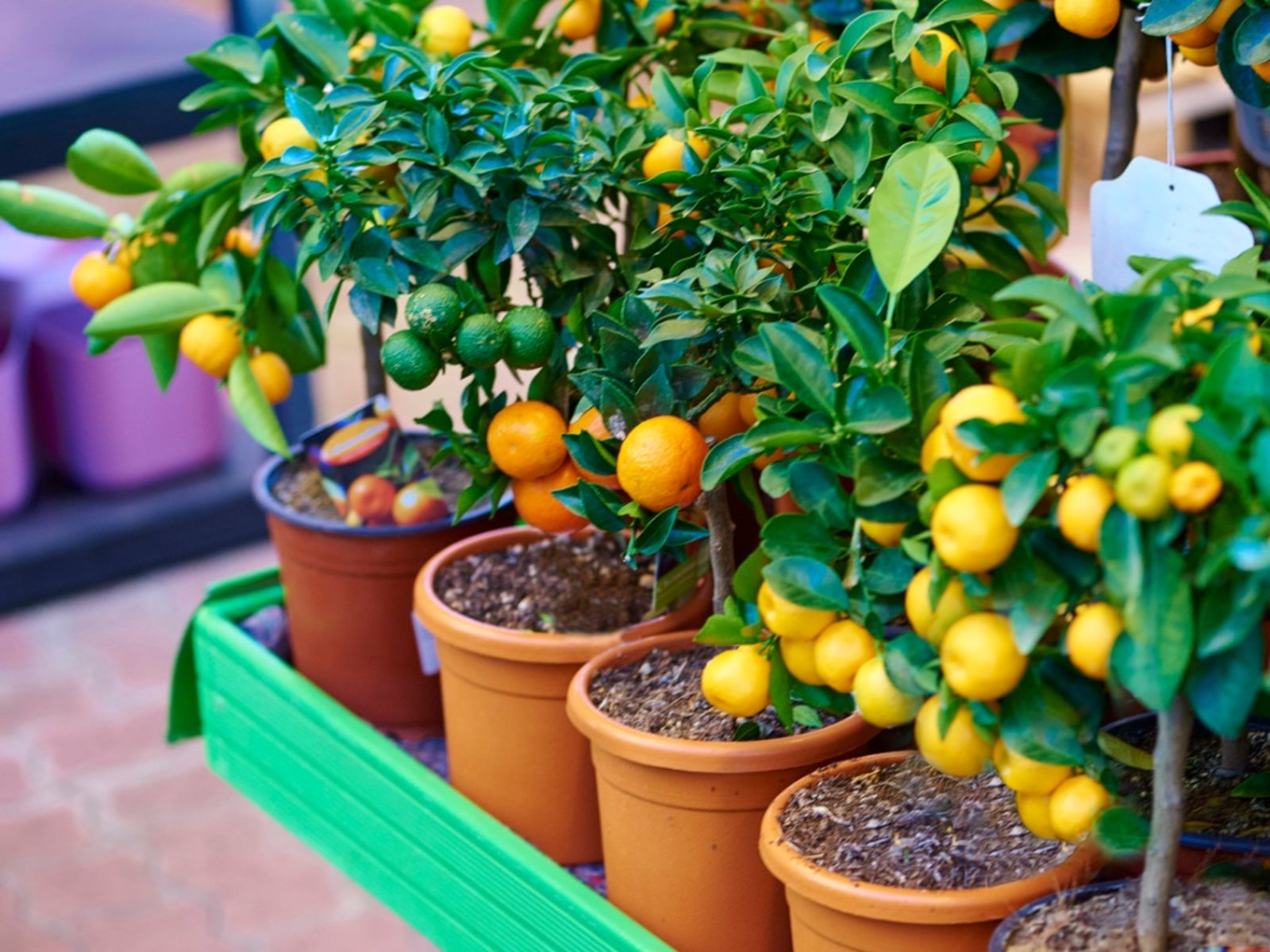
Growing your own fruit at home is one of the most rewarding ways to connect with nature—and African fruits offer a vibrant, flavour-packed place to start. From tropical staples to nutrient-rich indigenous varieties, many African fruits can thrive in pots, balconies, or back gardens with the right care. Whether you live in a warm climate or are experimenting indoors, here are nine of the best African fruits to grow at home.
Lemon (North & East Africa)
Lemon trees are a fantastic starting point. They adapt well to containers and can be grown indoors in cooler climates. With plenty of sunlight and well-drained soil, you’ll enjoy fragrant blossoms and fresh lemons for cooking and drinks. Most lemon trees begin producing fruit within 2–3 years when grown from a grafted plant.
Mango (West & East Africa)
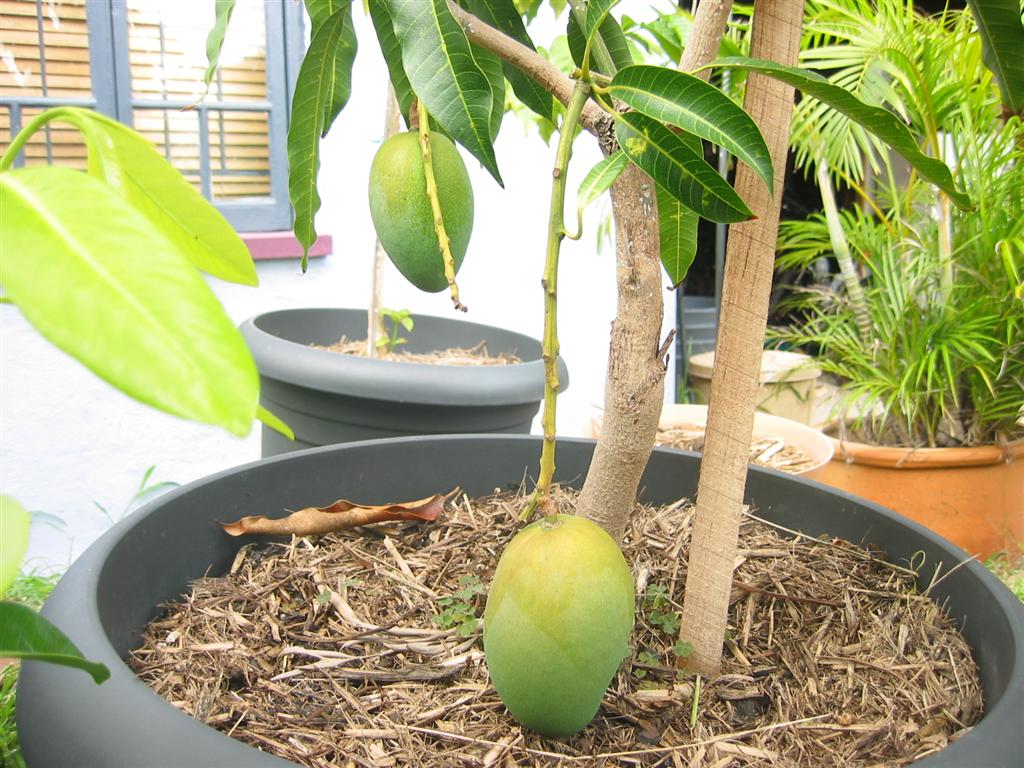
Mango trees are synonymous with tropical Africa. While full-sized trees need space, dwarf varieties can be grown in large pots. They require warmth, sunlight, and patience—but the sweet reward is worth it. Expect fruiting in around 3–5 years for grafted dwarf varieties, while seed-grown trees can take longer.
Banana (Central & East Africa)
Bananas are surprisingly easy to grow at home, especially dwarf varieties. They thrive in warm, humid conditions and grow quickly, making them ideal for indoor gardens or sheltered outdoor spaces. Under the right conditions, banana plants can produce fruit within 9–15 months.
Pineapple (West Africa)
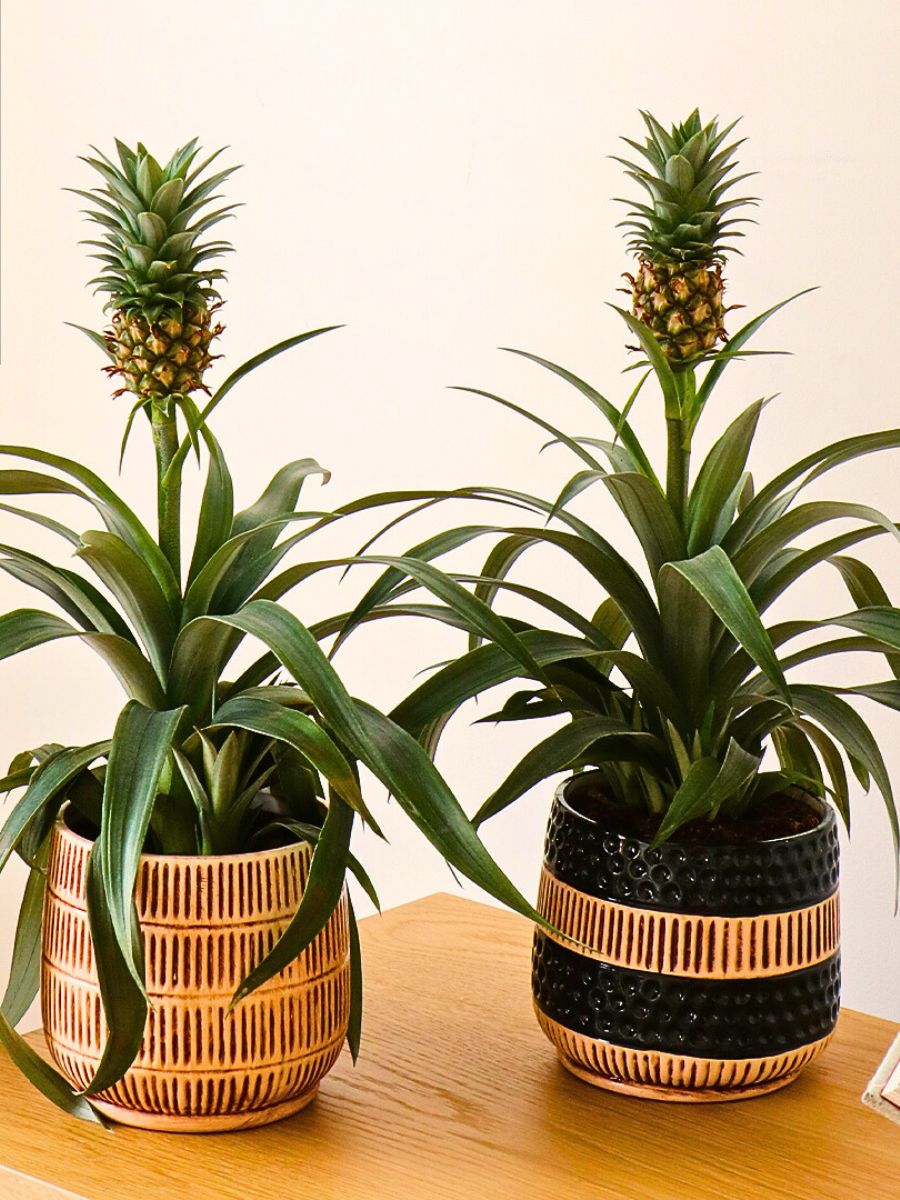
Did you know you can grow a pineapple from the top of a store-bought fruit? Pineapples are low-maintenance and perfect for container gardening. They love sunlight and require minimal watering. You can typically expect a homegrown pineapple to fruit in 18–24 months.
Guava (Across Africa)
Guava trees are compact, fast-growing, and highly productive. They adapt well to pots and produce fragrant fruits rich in vitamin C. With regular pruning, they remain manageable in smaller spaces. Guava trees can start producing fruit within 2–4 years, sometimes sooner in ideal conditions.
Papaya (Pawpaw) (East & Southern Africa)
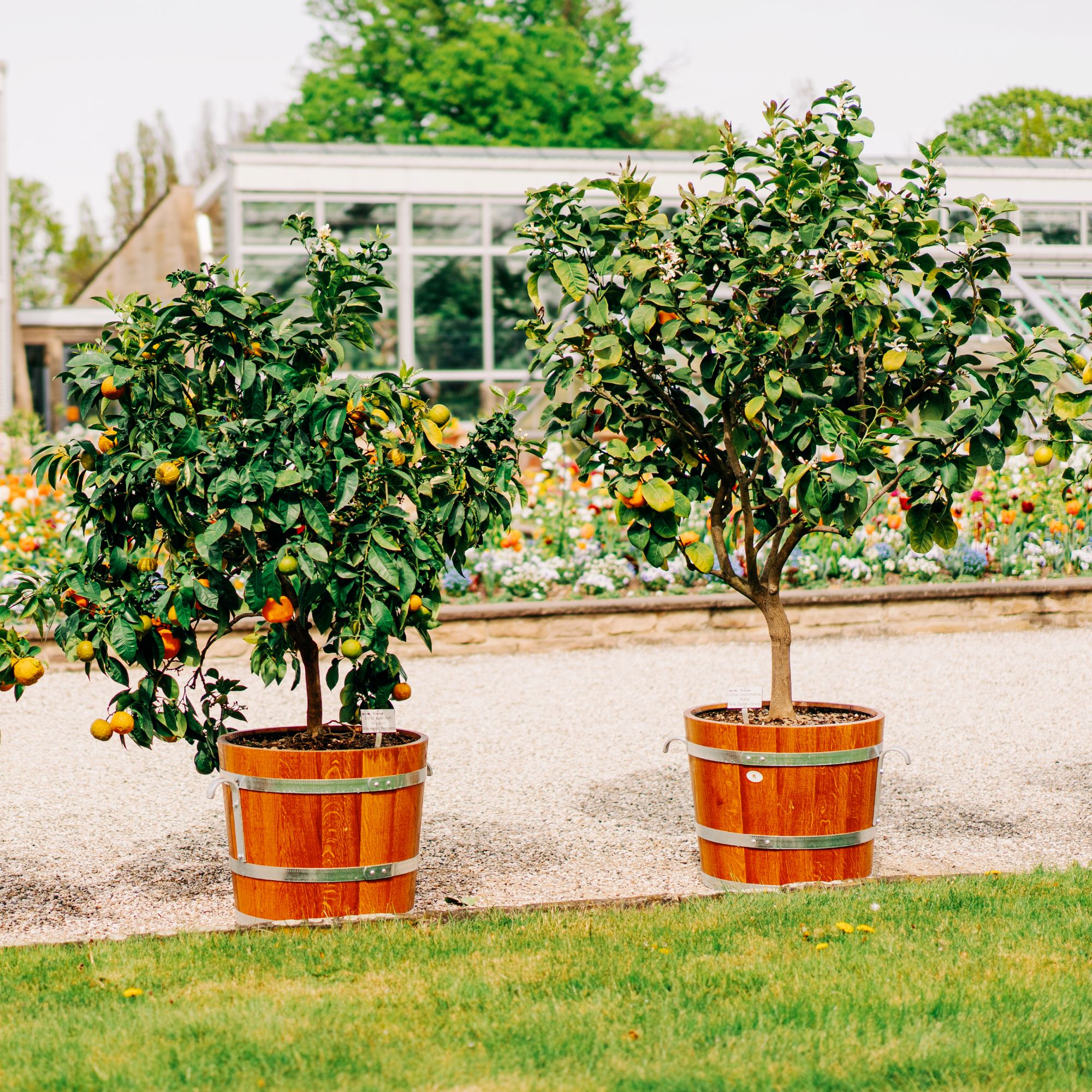
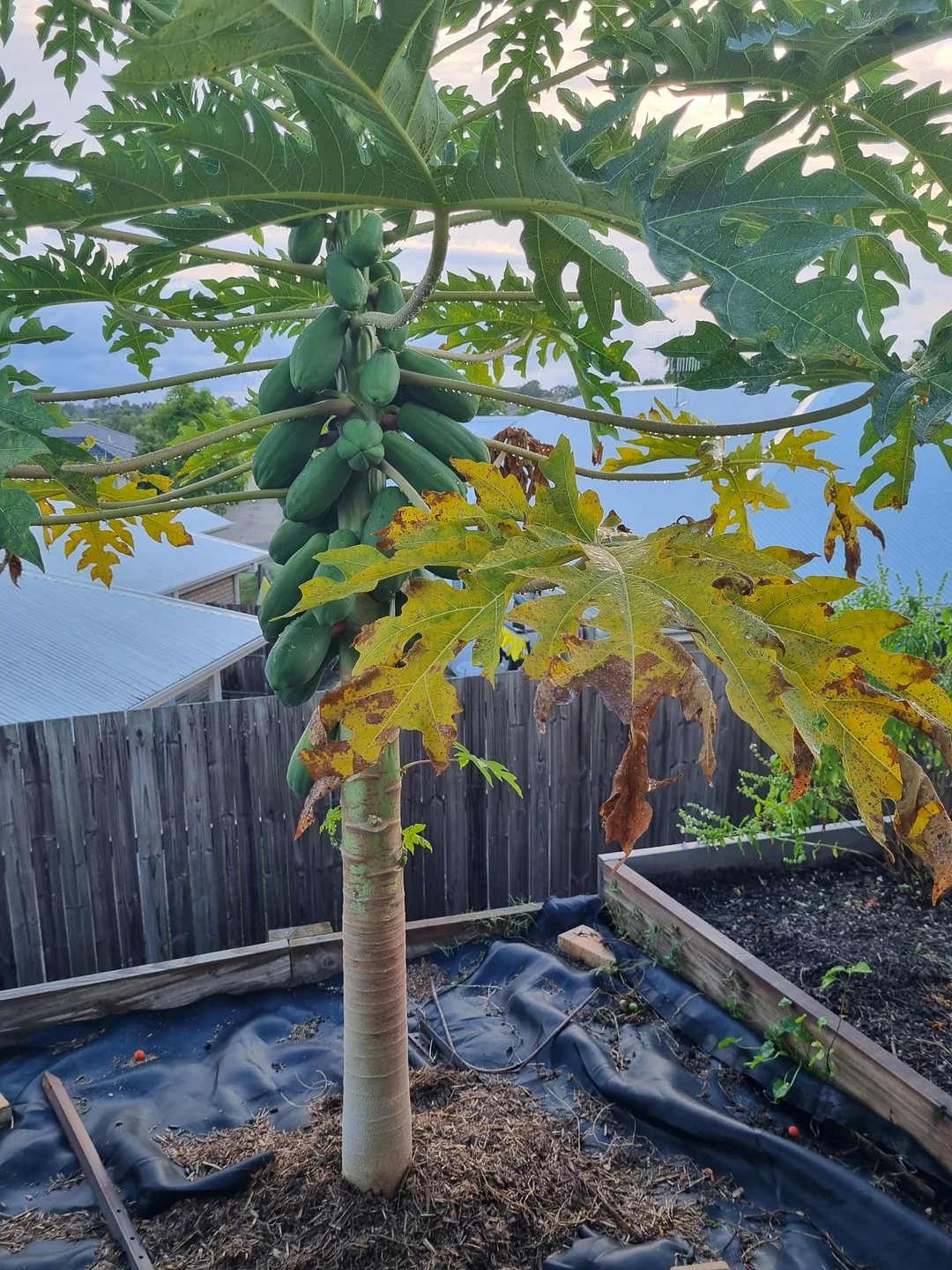
Papaya plants grow quickly and can produce fruit within a year. They prefer warm temperatures and lots of sunlight, making them ideal for sunny patios or greenhouses. In fact, many papaya plants begin fruiting in as little as 6–12 months after planting.
Baobab (Indigenous to Africa)
The iconic baobab tree can even be grown as a bonsai-style plant. While it won’t reach its massive wild size, it’s a unique and conversation-worthy addition to your home garden. However, baobab trees are slow growers and may take 8–15 years or more to produce fruit.
Tamarind (West & East Africa)
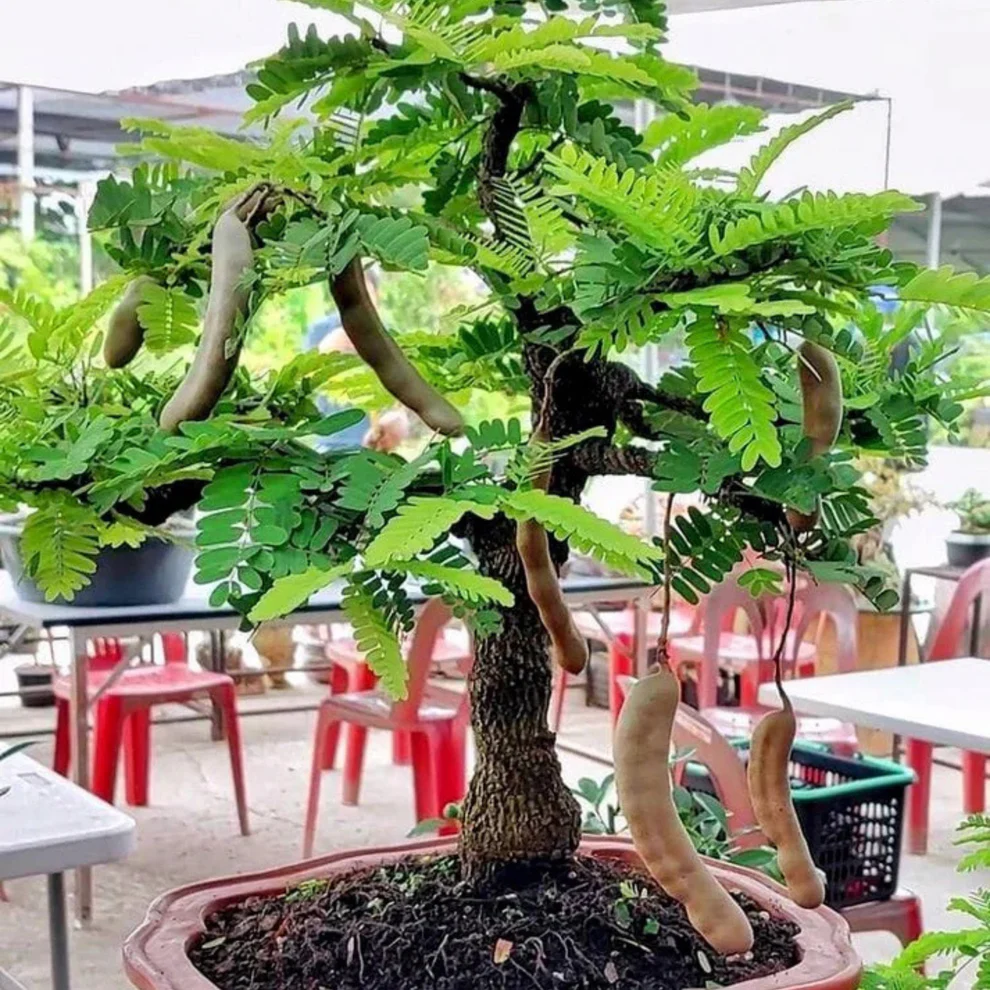
Tamarind trees grow well from seed and can adapt to container life when young. Known for their tangy pulp, they add a distinctive flavour to drinks and dishes. Tamarind trees typically take around 5–7 years to bear fruit, though grafted trees may produce sooner.
African Star Apple (West Africa)
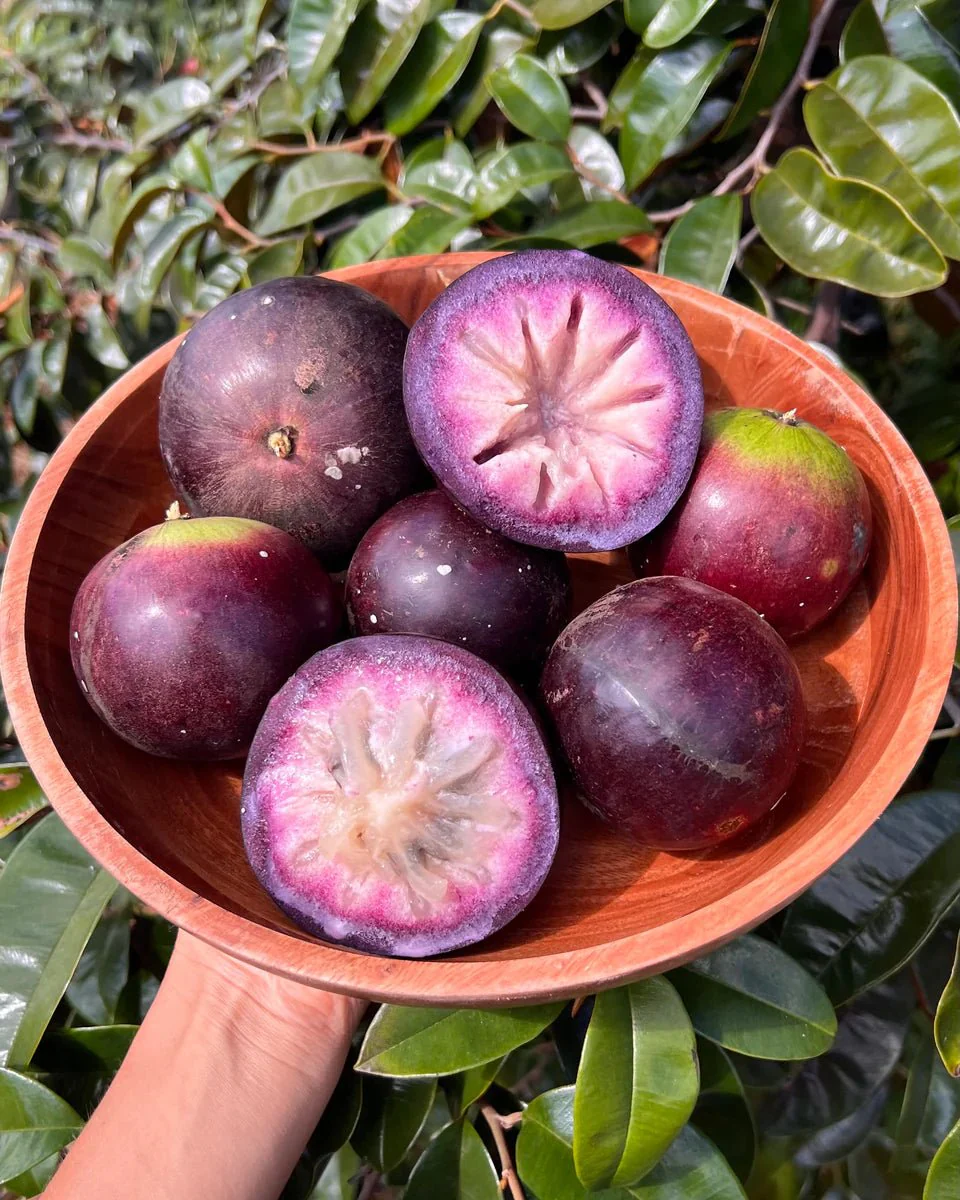
Also known as agbalumo or udara, this fruit is beloved for its sweet-tart taste. It grows best in warm climates but can be started in pots before transplanting outdoors. You can expect fruiting in approximately 4–6 years under suitable growing conditions.
Tips for Growing African Fruits at Home
To get the best results from your home garden, keep these essentials in mind:
- Sunlight is key: Most African fruits thrive in full sun (6–8 hours daily).
- Choose the right container: Ensure good drainage and enough space for root growth.
- Warmth matters: If you live in a cooler climate, consider indoor growing or a greenhouse.
- Be patient: Some fruits take time to mature, but consistent care pays off.
Bring African Flavours Into Your Home
Growing African fruits at home is more than a gardening project—it’s a chance to explore new flavours, cultures, and traditions. Whether you start with an easy pineapple or experiment with a baobab bonsai, these plants offer beauty, nourishment, and a unique story in every harvest.

