

Algerian cuisine is a vibrant reflection of the country’s history, geography and cultural diversity. Located in North Africa along the Mediterranean coast, Algeria has long been a crossroads of civilisations, from the indigenous Berbers to Arab, Ottoman and French influences. The result? A rich culinary tradition that blends bold spices, hearty grains and comforting slow-cooked dishes—perfect for a global audience eager to explore new flavours.
A Fusion of Cultures on Every Plate
Algerian food is deeply rooted in centuries-old traditions, with recipes often passed down through generations. Staples such as couscous, olive oil, vegetables and lamb form the backbone of many dishes. Spices like cumin, cinnamon and coriander are used generously but thoughtfully, creating meals that are aromatic without being overwhelmingly spicy.
Meals in Algeria are typically social occasions, where family and friends gather to share large platters. Bread—often homemade—is a constant companion, used to scoop up stews and sauces, making dining both interactive and communal.
Couscous: The National Treasure
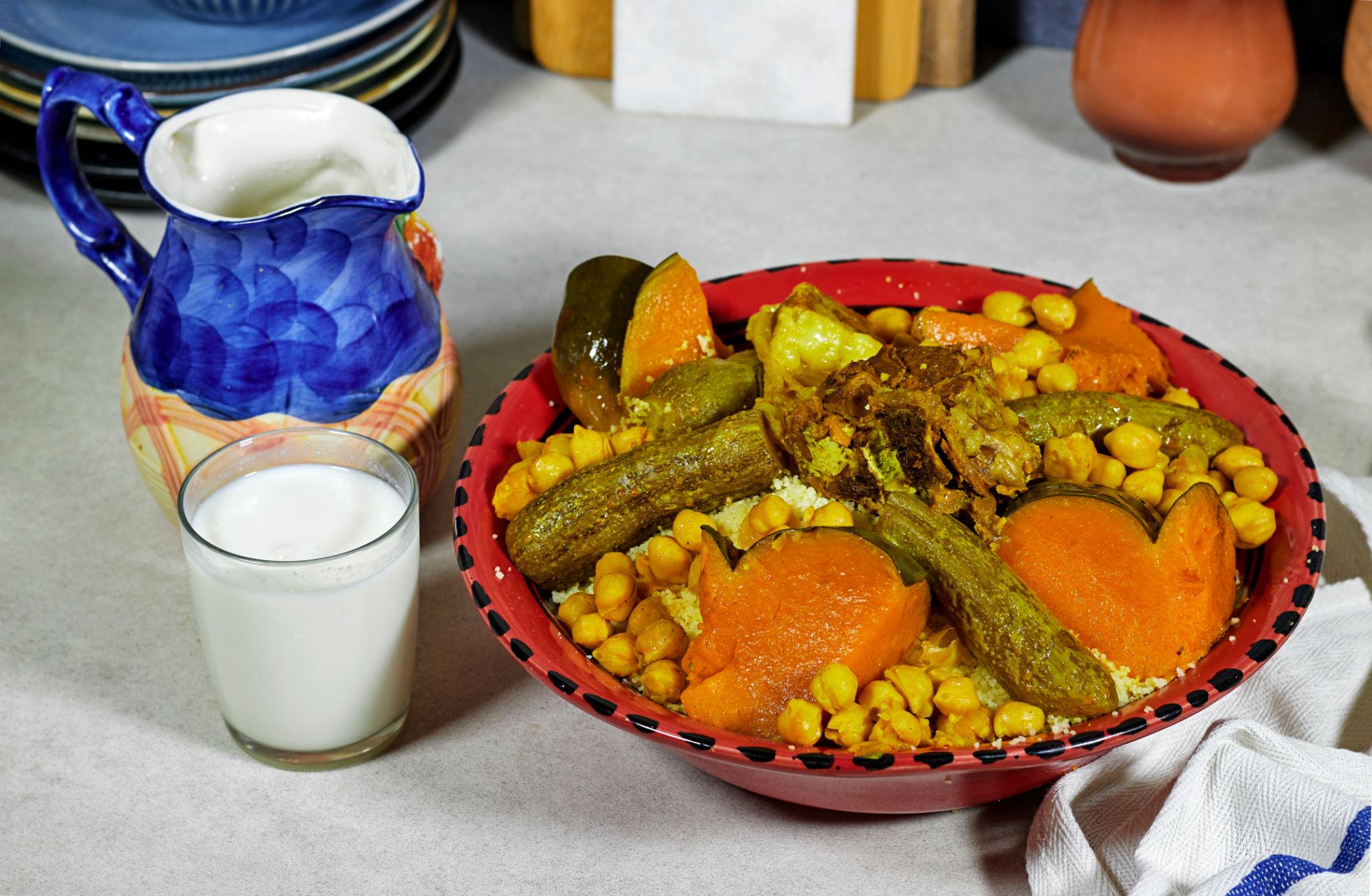
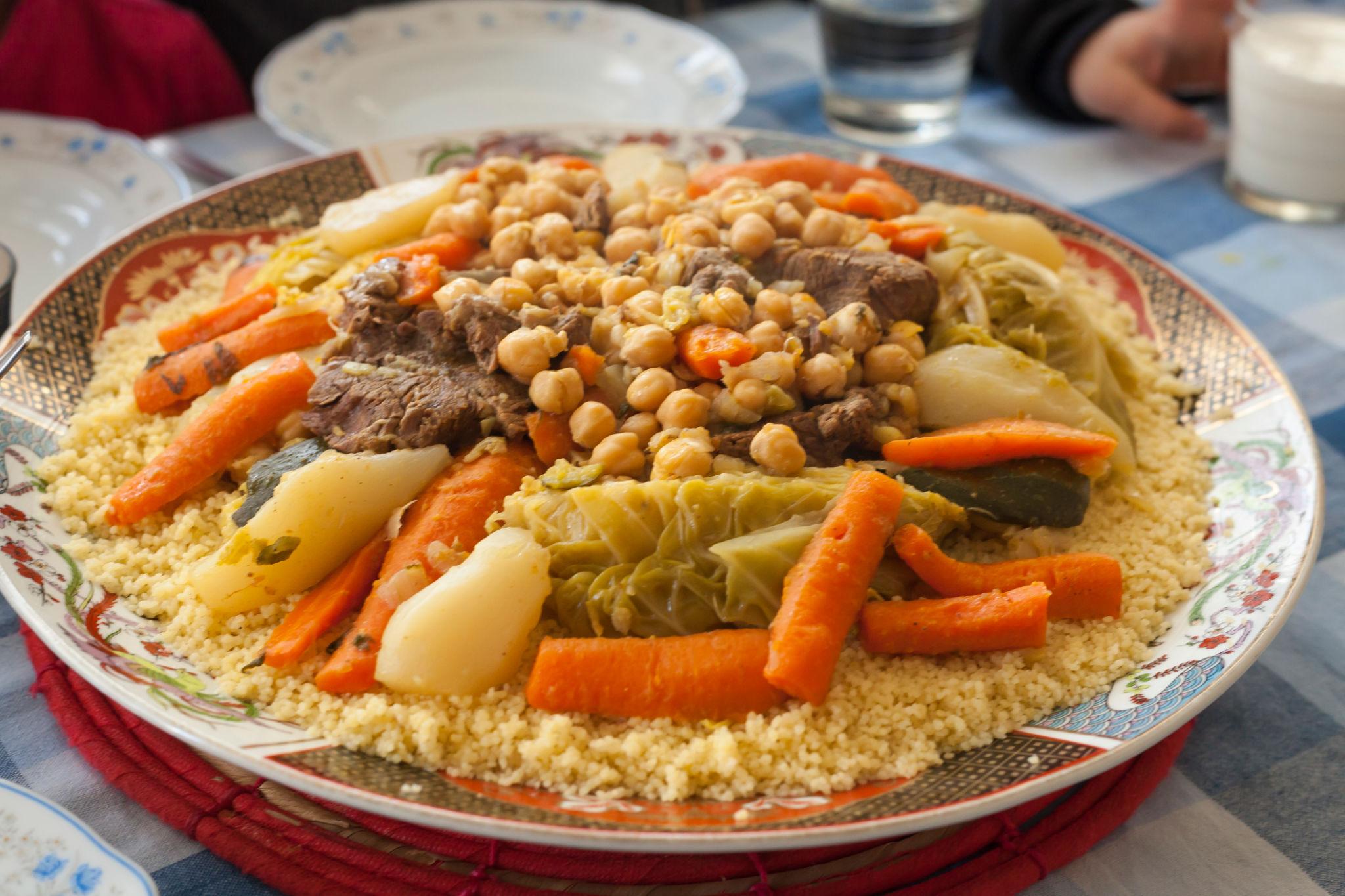
No discussion of Algerian cuisine is complete without couscous, widely regarded as the national dish. Made from steamed semolina grains, couscous is typically served with a rich stew of vegetables, chickpeas and meat such as lamb or chicken.
Each region in Algeria has its own variation. Coastal areas may feature seafood couscous, while inland regions often favour heartier versions with slow-cooked meats. Its versatility and comforting nature have made couscous a global favourite, but tasting it in its traditional Algerian form is a truly special experience.
Hearty Soups and Comforting Classics
Algerian cuisine shines when it comes to soups and slow-cooked dishes, particularly during the holy month of Ramadan. One of the most popular is chorba, a fragrant tomato-based soup made with lamb, vegetables and vermicelli. Light yet satisfying, it’s often the first dish served to break the fast.
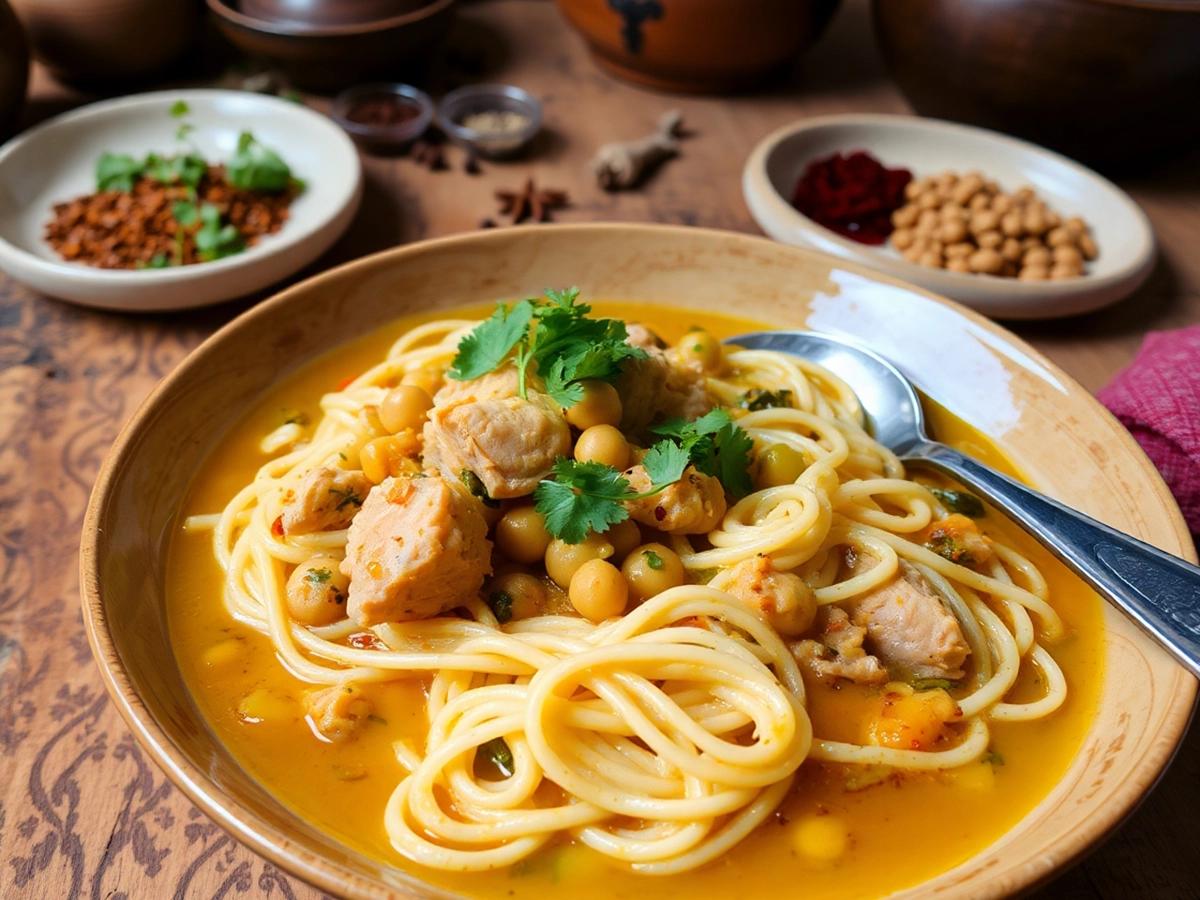
Another beloved dish is rechta, a comforting meal of delicate flat noodles topped with a mild chicken and chickpea sauce. Often prepared for celebrations and family gatherings, rechta highlights the Algerian love for dishes that combine simplicity with depth of flavour.
Street Food and Everyday Bites
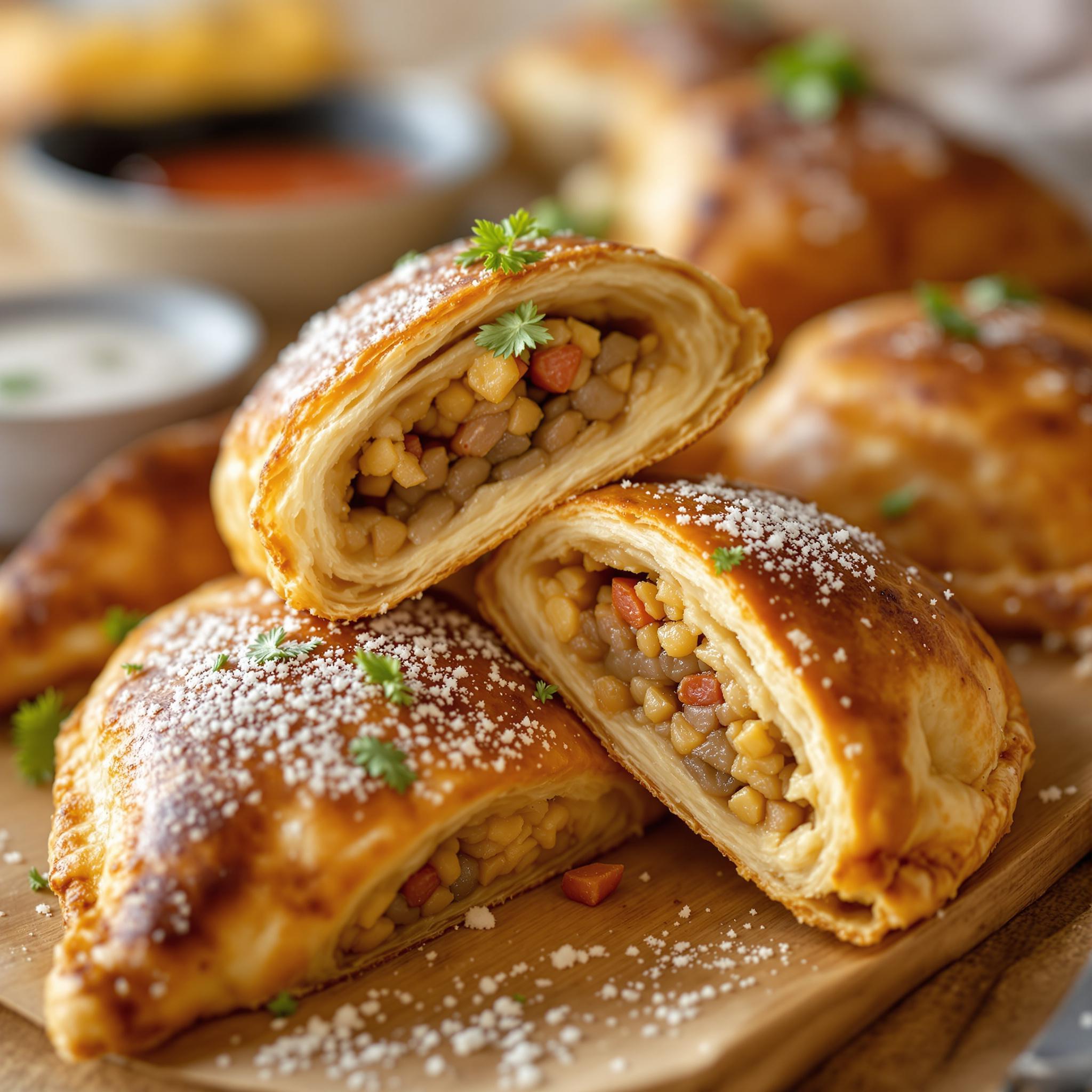
For those looking to sample Algerian flavours on the go, street food offers an accessible entry point. Karantita, a savoury chickpea-based bake, is a popular snack often served in sandwiches with a drizzle of harissa. It’s simple, affordable and incredibly satisfying.
Maakouda, deep-fried potato fritters, are another favourite, crispy on the outside and soft on the inside. And then there’s bourek—thin pastry rolls filled with meat, egg or cheese, fried to golden perfection. These dishes are widely enjoyed across Algeria and showcase the country’s knack for turning humble ingredients into something special.
Sweet Treats to Finish
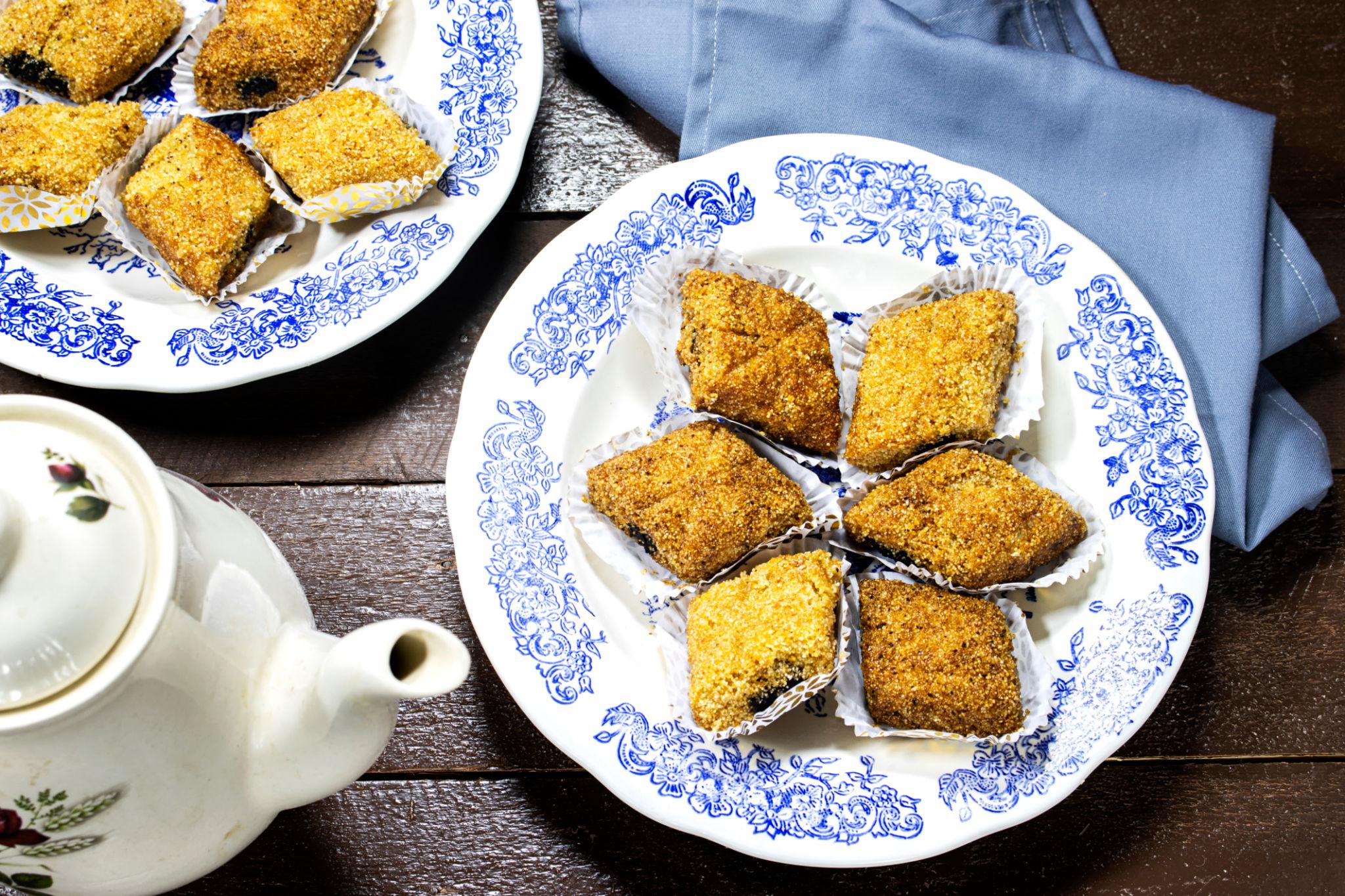
Algerian desserts are a delight for anyone with a sweet tooth. Makroud, made from semolina dough filled with dates and soaked in honey, is one of the most iconic treats. Its rich, sticky sweetness pairs beautifully with a cup of mint tea.
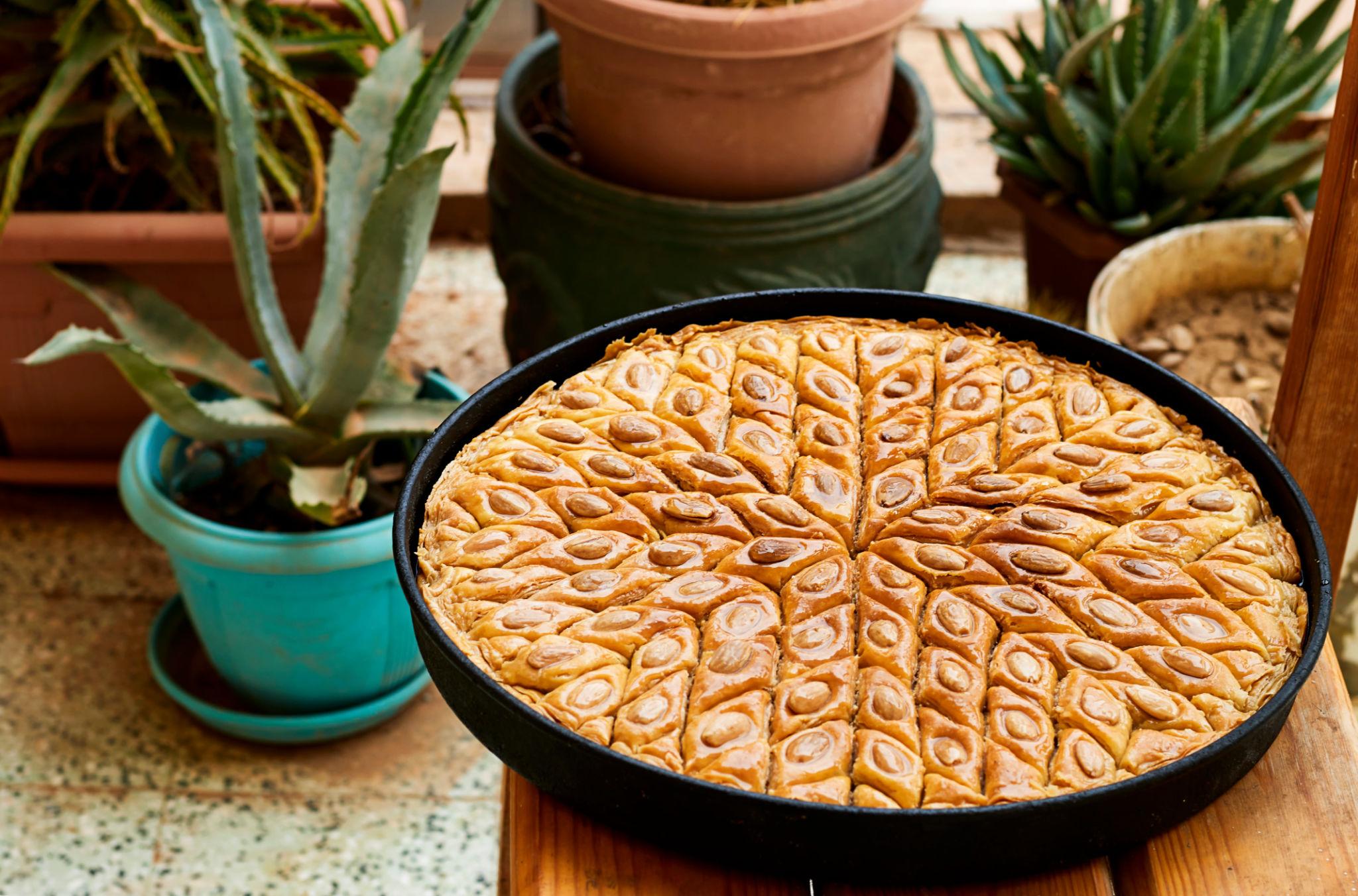
Baklava is also widely enjoyed, reflecting the influence of the Ottoman era. Layers of flaky pastry, nuts and syrup create a decadent dessert that’s hard to resist.
Why Algerian Cuisine Deserves a Place on Your Table
Algerian cuisine is more than just food—it’s a cultural experience that brings people together. Its balance of flavours, reliance on fresh ingredients and emphasis on shared meals make it both comforting and exciting for newcomers.
For a global audience, Algerian dishes offer an excellent introduction to North African cooking. Many recipes are approachable and can be recreated at home with readily available ingredients, making it easier than ever to explore this underrated culinary gem.
Whether you start with a simple chorba or go all out with a traditional couscous feast, Algerian cuisine promises warmth, flavour and a genuine taste of North African hospitality.

