

Tanzania, a vast East African nation bordered by the Indian Ocean and crowned with Mount Kilimanjaro, is a land where cultural traditions meet modern vibrancy. From the bustling streets of Dar es Salaam to the tranquil villages of Zanzibar and the Serengeti plains, Tanzanian life is shaped by a rich tapestry of ethnic groups, culinary traditions, distinctive homes, and daily practices that blend the old with the new. Here’s an engaging look at how Tanzanians live and celebrate their culture.
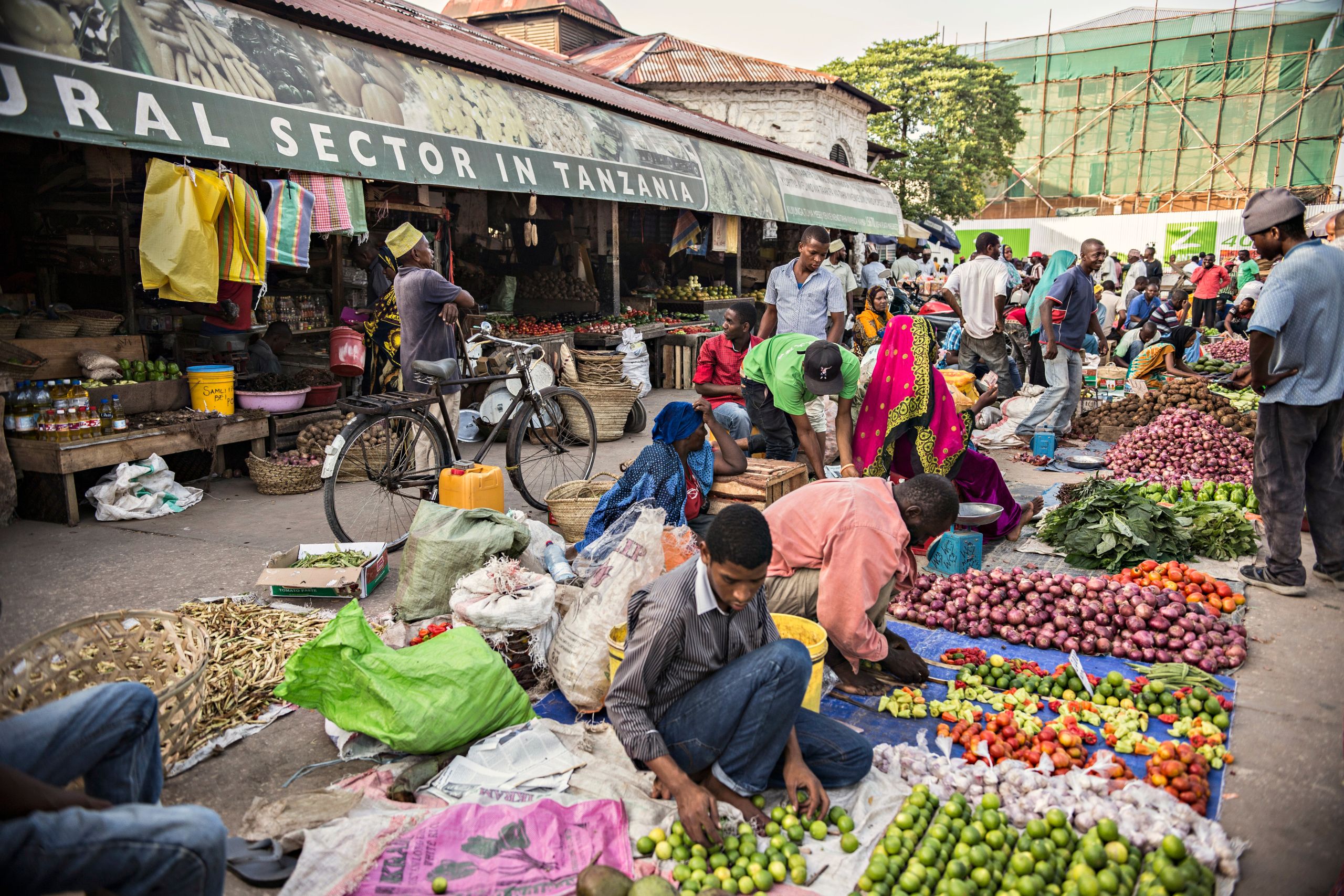
A Mosaic of Cultures
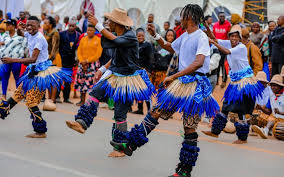
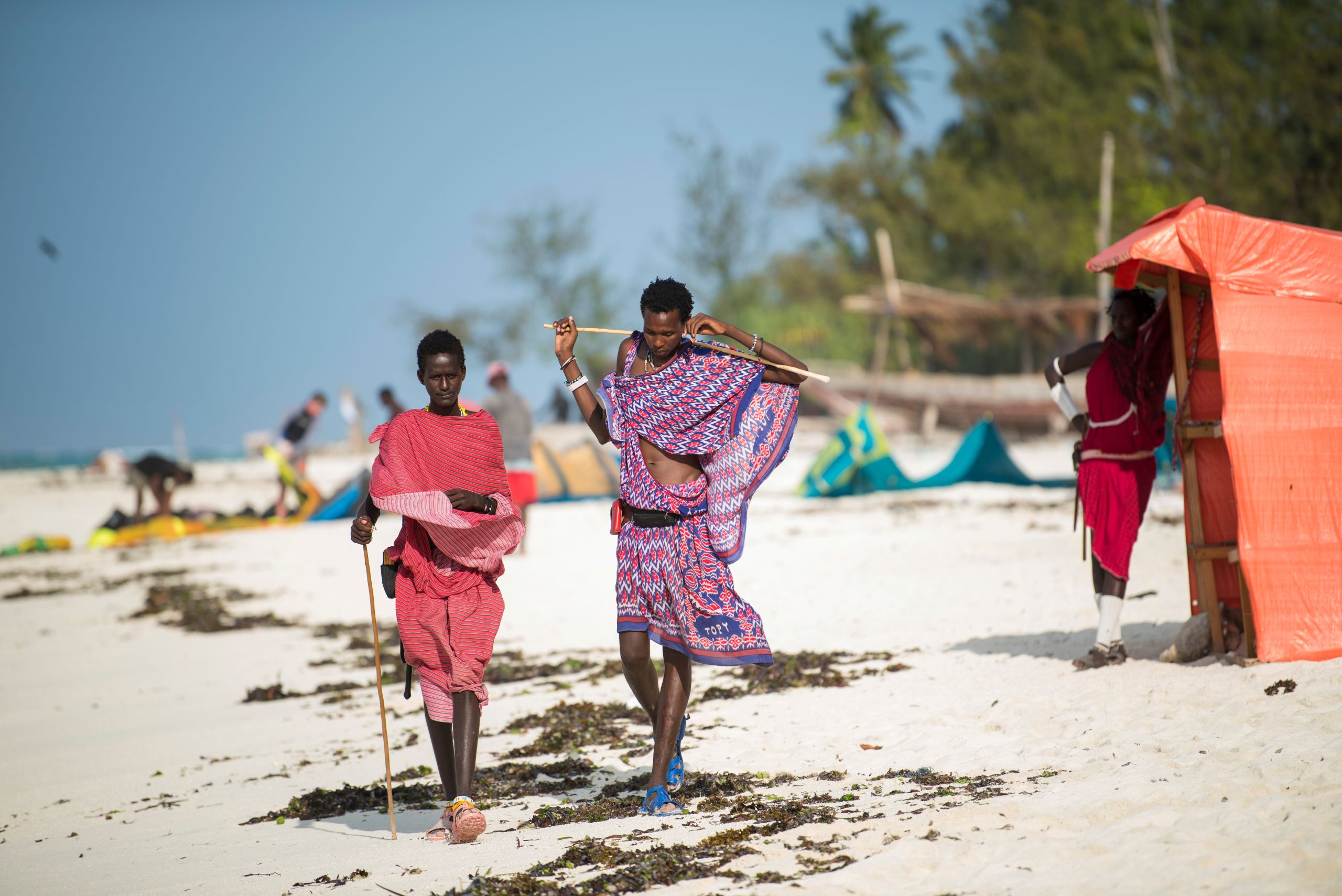
Tanzania is home to over 120 ethnic groups, each bringing its own customs, music, and way of life. The largest include the Sukuma, Chaga, Haya, and Nyamwezi, while the Maasai remain internationally recognised for their colourful dress and semi-nomadic traditions. Despite this diversity, Tanzanians share a strong sense of national unity, fostered by the Swahili language, which serves as a cultural bridge. Traditional dances, storytelling, and music – especially rhythms played on the ngoma drum – are central to celebrations and community gatherings.
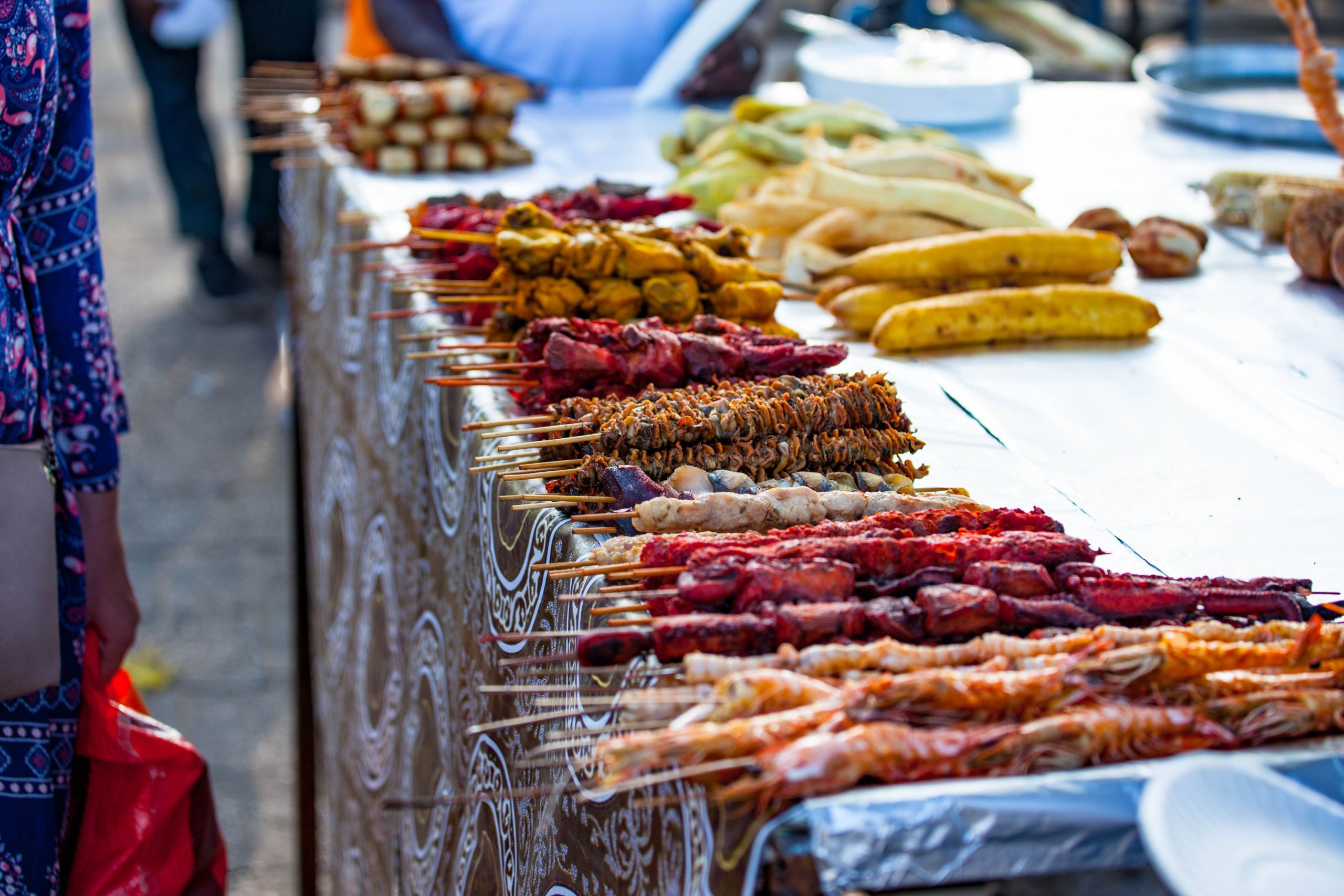
A Culinary Journey Across the Nation
Tanzanian cuisine is hearty and varied, reflecting both indigenous traditions and influences from Indian, Arab, and European traders. Ugali, a stiff maize porridge, is the country’s staple, often paired with nyama choma (grilled meat), sukuma wiki (collard greens), or rich stews made with beans and vegetables. Along the coast, dishes like pilau rice and samosas showcase Indian and Swahili influences, while Zanzibar is famous for its aromatic spice-infused seafood curries. Street food culture thrives too, with chapati, mishkaki (skewered meat), and mandazi (sweet fried dough) enjoyed as everyday snacks.
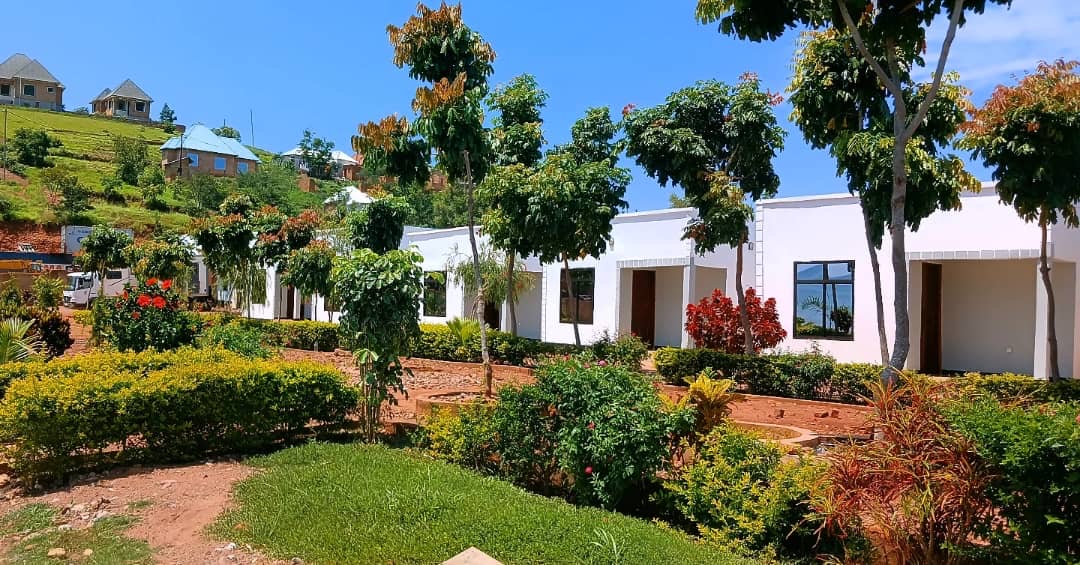
Homes: From Rural Simplicity to Urban Modernity
In rural Tanzania, traditional homes are often made from mud, thatch, and wooden poles, designed to suit the climate and local resources. These dwellings are modest but functional, often grouped in clusters to reflect communal living. In contrast, urban areas such as Arusha and Dar es Salaam feature modern concrete houses and apartments, with middle-class families incorporating contemporary designs, electricity, and satellite television. Coastal homes in Zanzibar display a unique Swahili architectural style – carved wooden doors, coral-stone walls, and shaded courtyards that capture sea breezes.
Daily Lifestyle Habits
Tanzanian life is rooted in community and family. Social interactions often revolve around the extended family, with meals shared together and neighbours lending support in daily life. The pace of life can be slow and relaxed in villages, with mornings spent farming, fishing, or tending to livestock, while urban professionals navigate busy commutes and office life. Religion plays a central role too, with Christianity and Islam being the most widely practised faiths, and religious festivals forming an important part of the calendar. Sport, especially football, unites people across backgrounds, while music genres like Bongo Flava dominate the youth scene.
Blending Past and Present
What makes Tanzanian lifestyle particularly fascinating is how traditions are preserved while adapting to modern trends. Maasai warriors still herd cattle on the plains, yet younger generations may pursue university degrees in the city. Women wear colourful kanga fabrics emblazoned with proverbs, even as global fashion finds its way into wardrobes. Weddings, rites of passage, and communal feasts continue to anchor cultural identity, while smartphones, social media, and international trade shape everyday aspirations.
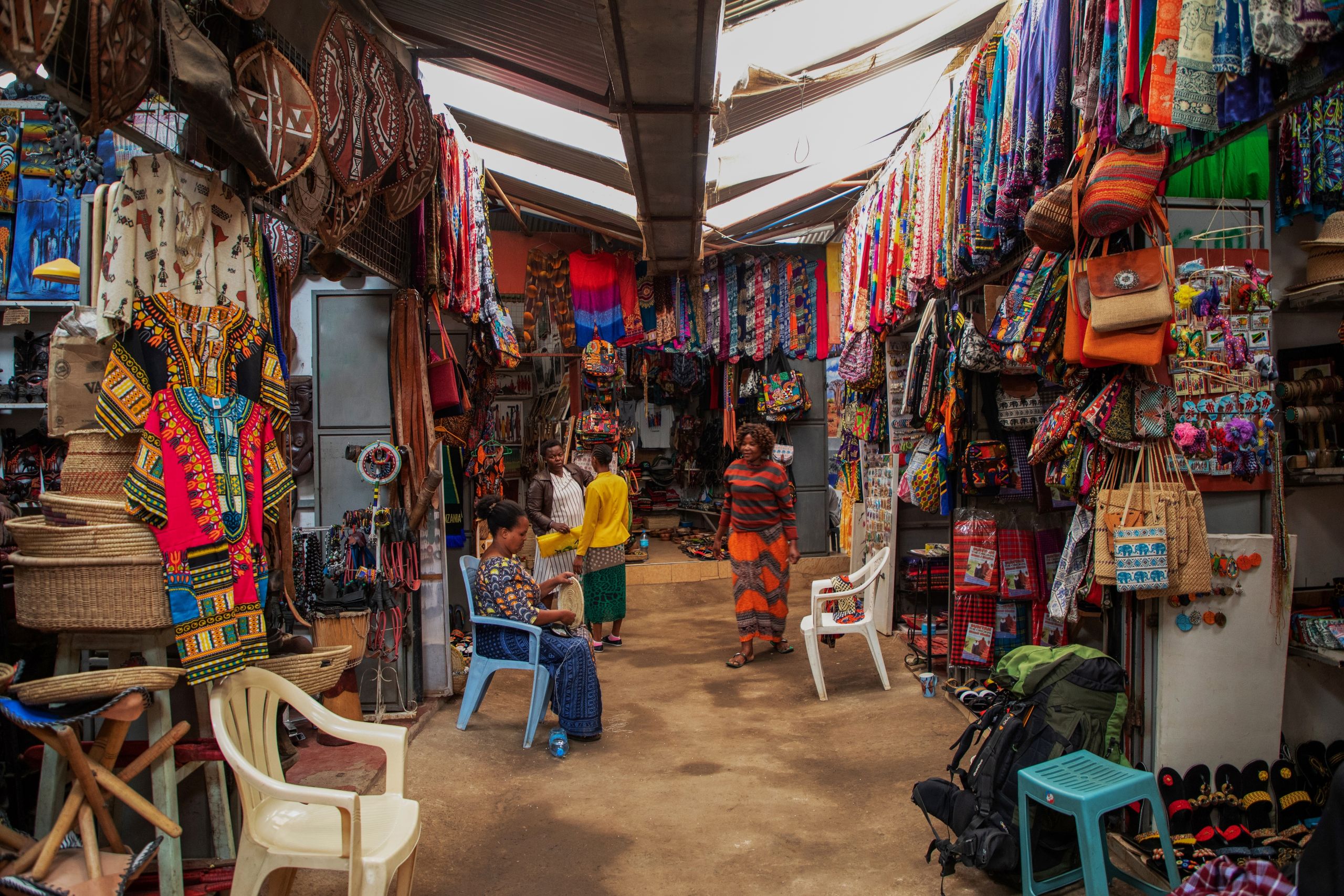
Tanzania’s lifestyle is a captivating blend of heritage and modernity. Its people embody resilience, warmth, and hospitality, proudly holding onto traditions while embracing new ways of living. For visitors, exploring Tanzania means not only witnessing its wildlife and landscapes but also experiencing the richness of how Tanzanians live, eat, celebrate, and connect with one another.

