

Algeria, the largest country in Africa, offers a rich and layered lifestyle shaped by history, geography and a vibrant mix of cultures. From the Mediterranean coastline to the vast Sahara Desert, life in Algeria reflects a blend of tradition and modernity that continues to evolve. For global readers unfamiliar with this North African nation, here’s a deep dive into how Algerians live, eat, socialise and create a sense of home.
A Cultural Mosaic: Identity and Traditions
Algeria’s cultural identity is shaped by a mix of Arab, Berber (Amazigh), Ottoman and French influences. The indigenous Amazigh people have lived in the region for thousands of years, and their language and traditions remain an essential part of national identity.
Arabic is the official language, while Tamazight (Berber) is also recognised, and French is widely spoken in business and education. Religion plays a central role in daily life, with the majority of Algerians practising Islam, which influences everything from social customs to weekly routines.
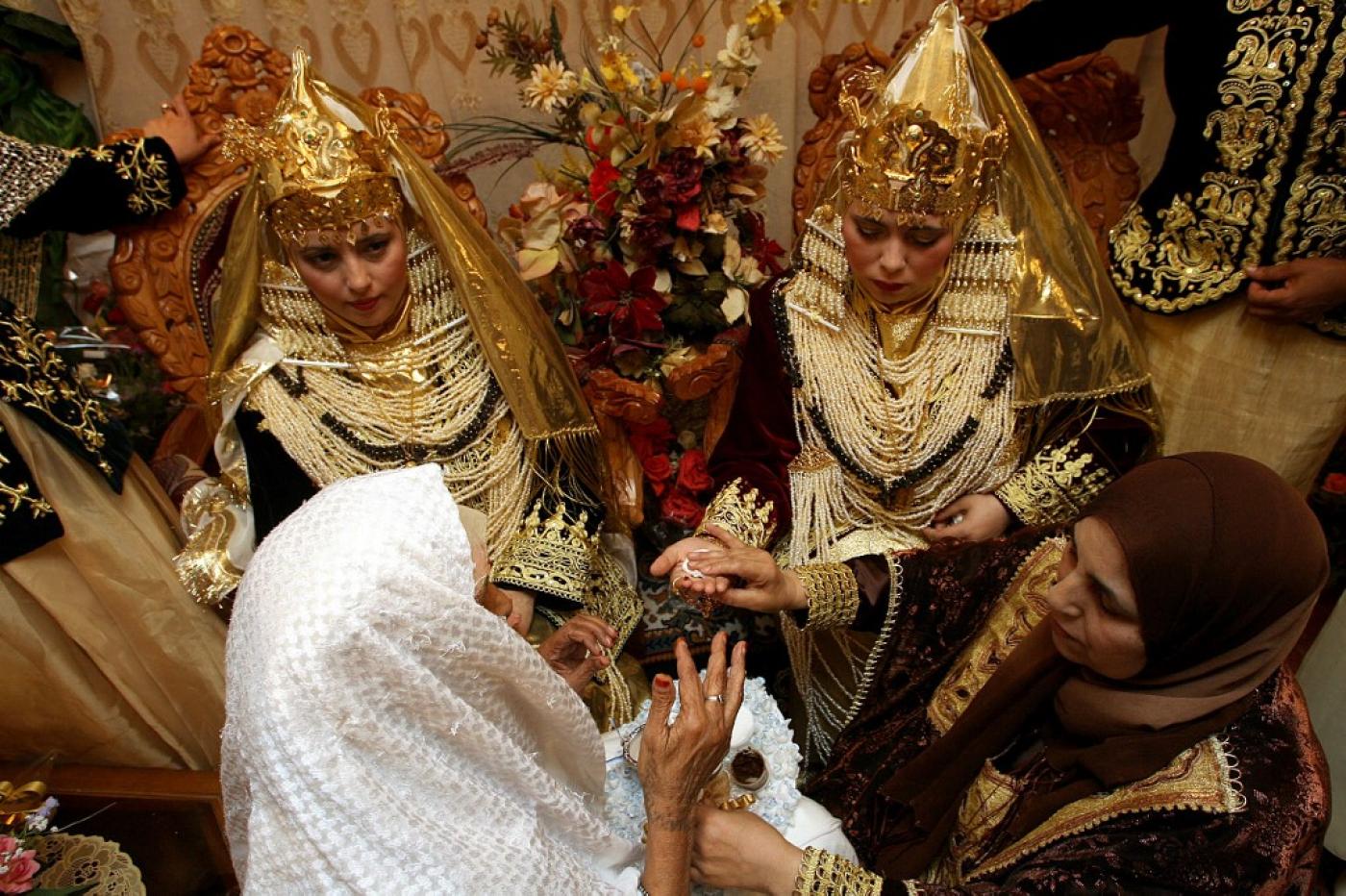
Traditional clothing still appears during celebrations and ceremonies. Women may wear beautifully embroidered garments like the karakou or chedda, while men often don traditional robes such as the gandoura. Festivals, weddings and religious holidays are lively, community-focused events filled with music, dance and generous hospitality.
Algerian Cuisine: A Flavourful Fusion
Food is at the heart of Algerian lifestyle, bringing families and communities together. One of the most iconic dishes is couscous, often served with vegetables, chickpeas and lamb or chicken. It is traditionally eaten on Fridays, the main day of rest and prayer.
Another staple is chorba, a rich soup made with tomatoes, spices and meat, especially popular during Ramadan. Bread is a daily essential, with varieties like khobz and kesra baked fresh at home or bought from local bakeries.
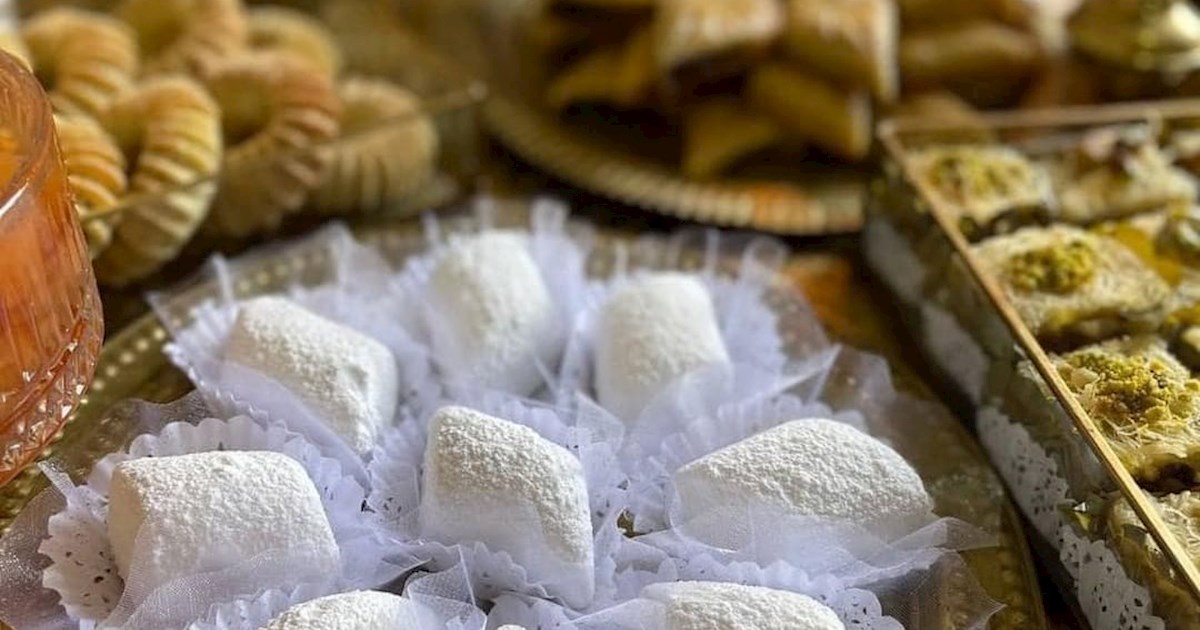
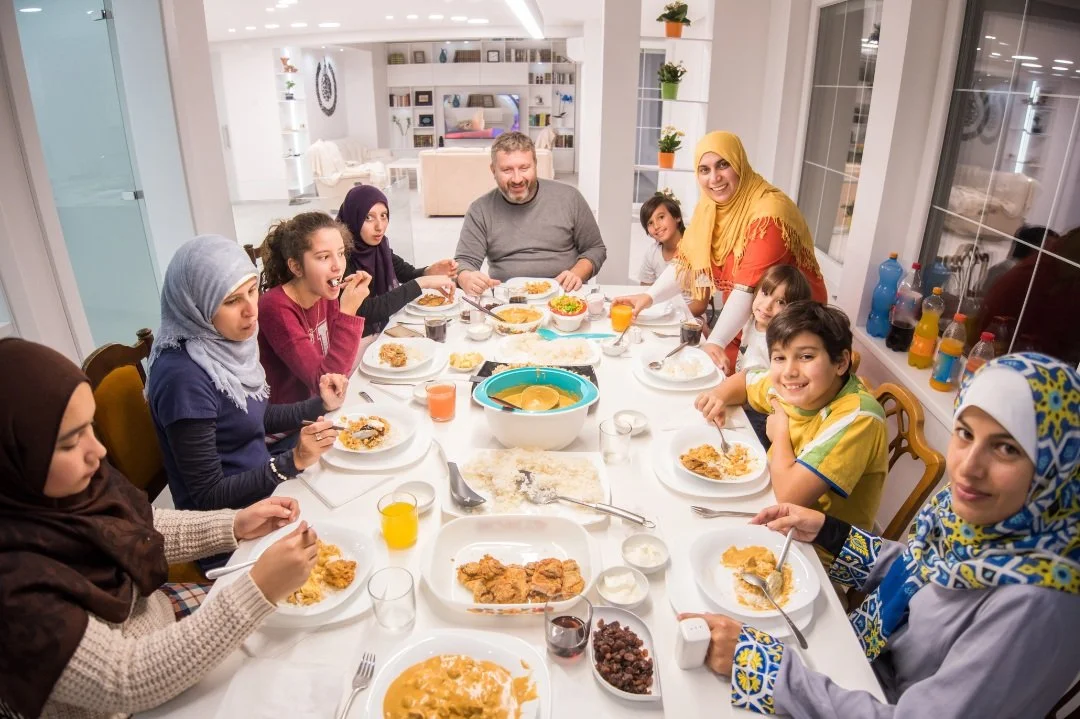
Algerians also have a sweet tooth. Pastries such as baklava and makroud—filled with dates and soaked in honey—are enjoyed with mint tea or strong coffee. Meals are often shared from a communal plate, reinforcing the importance of togetherness and hospitality.
Homes and Architecture: Tradition Meets Practicality
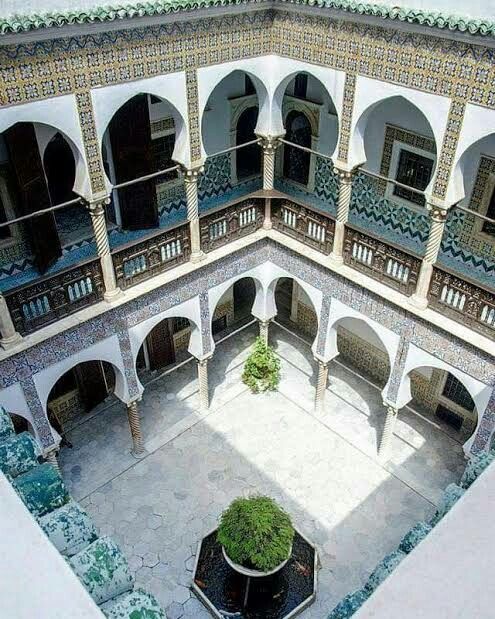
Homes in Algeria vary depending on location and lifestyle. In historic cities like Algiers, the famous Casbah of Algiers showcases traditional architecture with narrow winding streets, whitewashed walls and central courtyards designed for privacy and ventilation.
In rural areas and desert regions, homes are often built with local materials such as clay, helping to regulate temperature in the intense heat of the Sahara. In contrast, urban areas feature modern apartments and villas, reflecting contemporary design trends while still incorporating traditional elements like patterned tiles and ornate woodwork.
Family is central to Algerian home life. It’s common for extended families to live together or nearby, and homes are designed to accommodate guests. Large living areas and dining spaces are key, as entertaining visitors is an important cultural norm.
Daily Life and Social Habits
Daily life in Algeria balances work, family and social connection. In cities, many people work in offices, government roles or small businesses, while rural communities may focus on agriculture and trade.
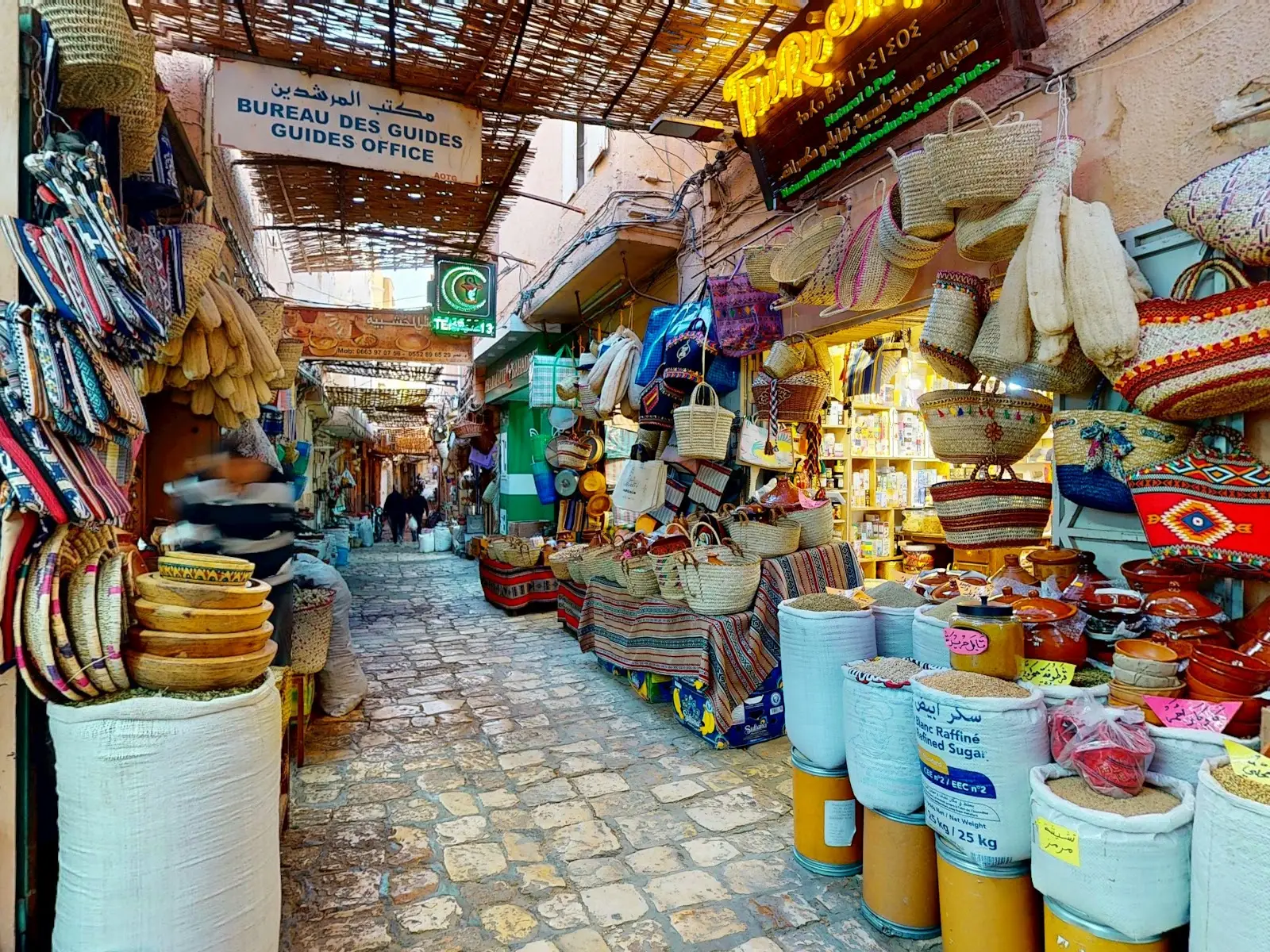
Café culture is a defining feature, particularly among men, who gather to drink coffee or mint tea, watch football and discuss current events. Markets, or souks, are bustling hubs where locals shop for fresh produce, spices and household goods.
Family remains the cornerstone of Algerian society. Evenings are often spent at home with relatives, sharing meals and conversation. Hospitality is deeply ingrained—guests are always welcomed warmly and offered food, often in abundance.
Leisure time may include seaside outings along the Mediterranean coast, weekend picnics or attending cultural events. Despite rapid urbanisation, many Algerians maintain strong ties to tradition and community values.
A Lifestyle Rooted in Heritage and Connection
Algeria’s lifestyle is a captivating blend of old and new. Whether it’s the enduring traditions of Amazigh culture, the comforting rituals of shared meals or the evolving urban landscape, life in Algeria is deeply rooted in connection—both to people and to place.
Algeria offers a unique perspective on North African living: one where heritage is preserved, hospitality is paramount and everyday life is enriched by culture at every turn.

