

Africa’s diverse climates—from humid coasts to arid deserts—have inspired ingenious food-preservation methods for centuries. Long before refrigeration, communities across the continent developed techniques that not only kept ingredients edible for months but also created bold, crave-worthy flavours that are still enjoyed today.
Here are five of the most fascinating African food-preservation techniques, each rooted in tradition and increasingly admired by global food lovers.
Sun-Drying: Harnessing Heat and Wind
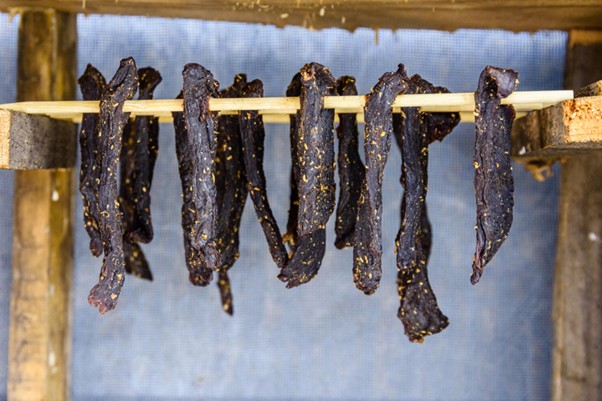
Across hot, dry regions such as South Africa and parts of the Sahel, sun-drying is one of the oldest and simplest preservation techniques. Fish or strips of meat are salted, sometimes spiced, and laid out on racks or rocks under intense sunlight until most of the moisture evaporates.
The result? Concentrated flavour and impressive shelf life. Dried fish can be rehydrated in stews, while seasoned dried meat—think biltong-style snacks—is often eaten straight from the hook.
Why it works: removing moisture stops bacteria from thriving, while salt adds extra protection.
Smoking Over Aromatic Wood
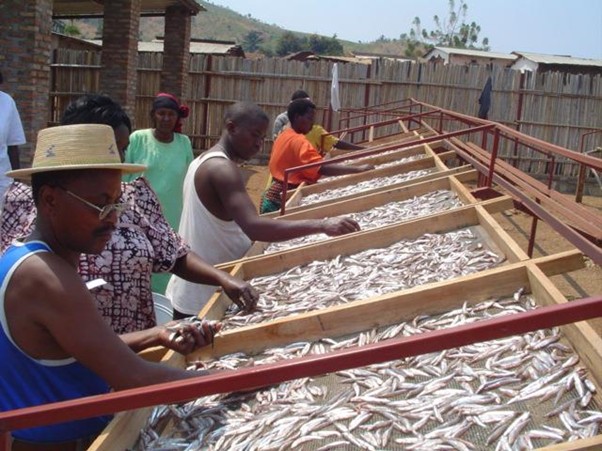
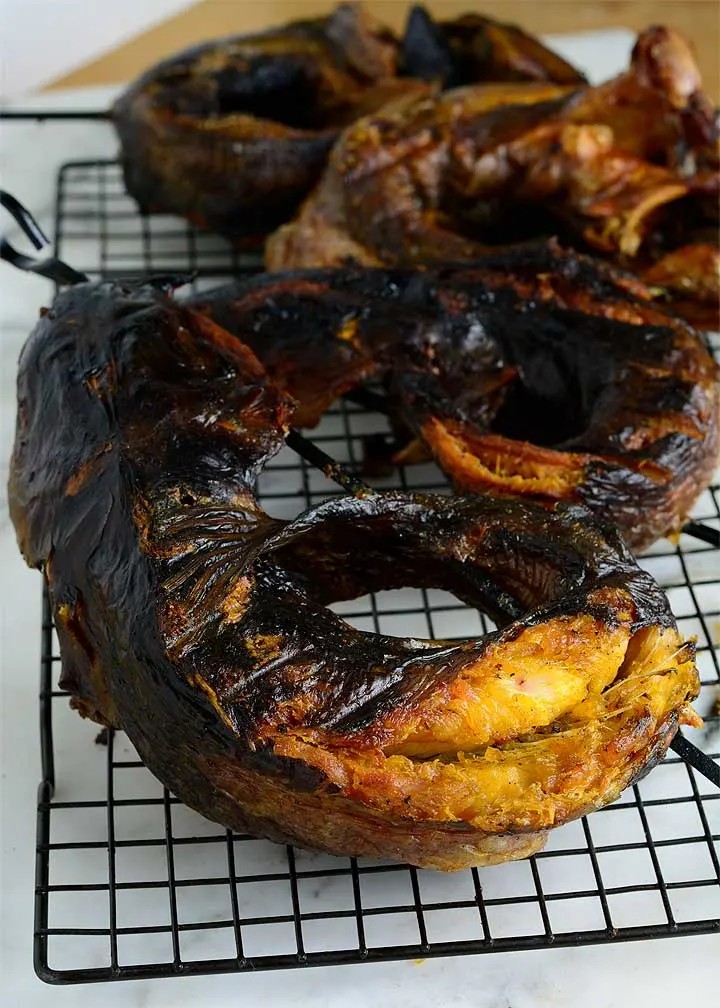
In coastal and river communities from Senegal to inland West Africa, smoking is essential for preserving fish and meat. Ingredients are slowly dried over low fires fuelled by hardwoods or fruit trees, which impart rich, earthy aromas.
Smoked fish often ends up in soups and tomato-based sauces, while smoked game or goat can be cooked later or nibbled as-is.
Why it works: heat dries the food while smoke contains antimicrobial compounds—plus it tastes incredible.
Fermentation for Tang and Longevity
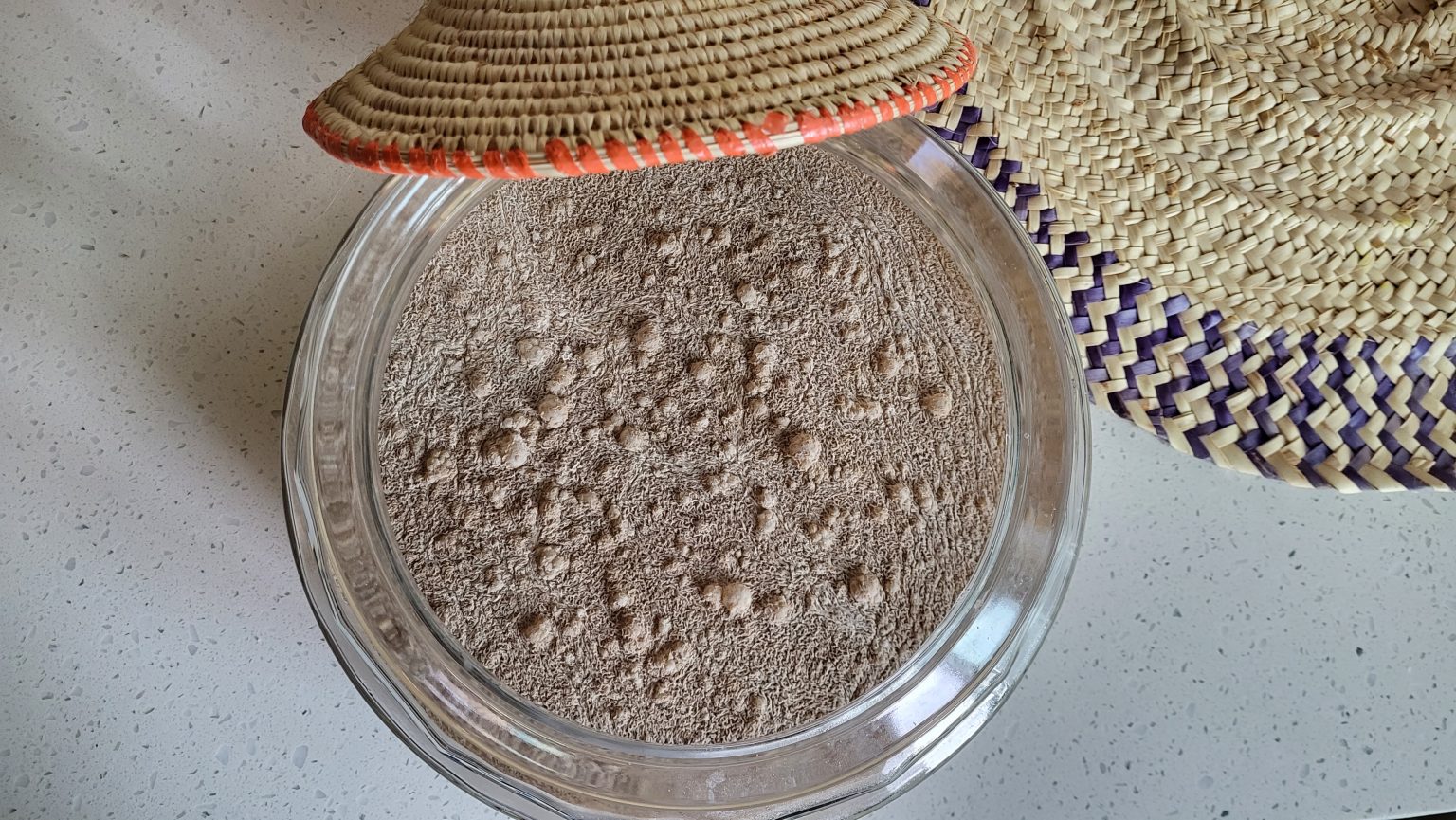
Fermentation is a cornerstone of African food culture, especially in countries like Ethiopia and Nigeria. Grains such as teff, maize or sorghum are soaked and left to ferment naturally, developing sour notes and beneficial bacteria.
This process creates staples like spongy flatbreads or smooth porridges that can last days longer than fresh grain mixtures—and become even more flavourful over time.
Why it works: friendly microbes lower the pH, making food safer while boosting complexity and digestibility.
Curing in Fat and Spices
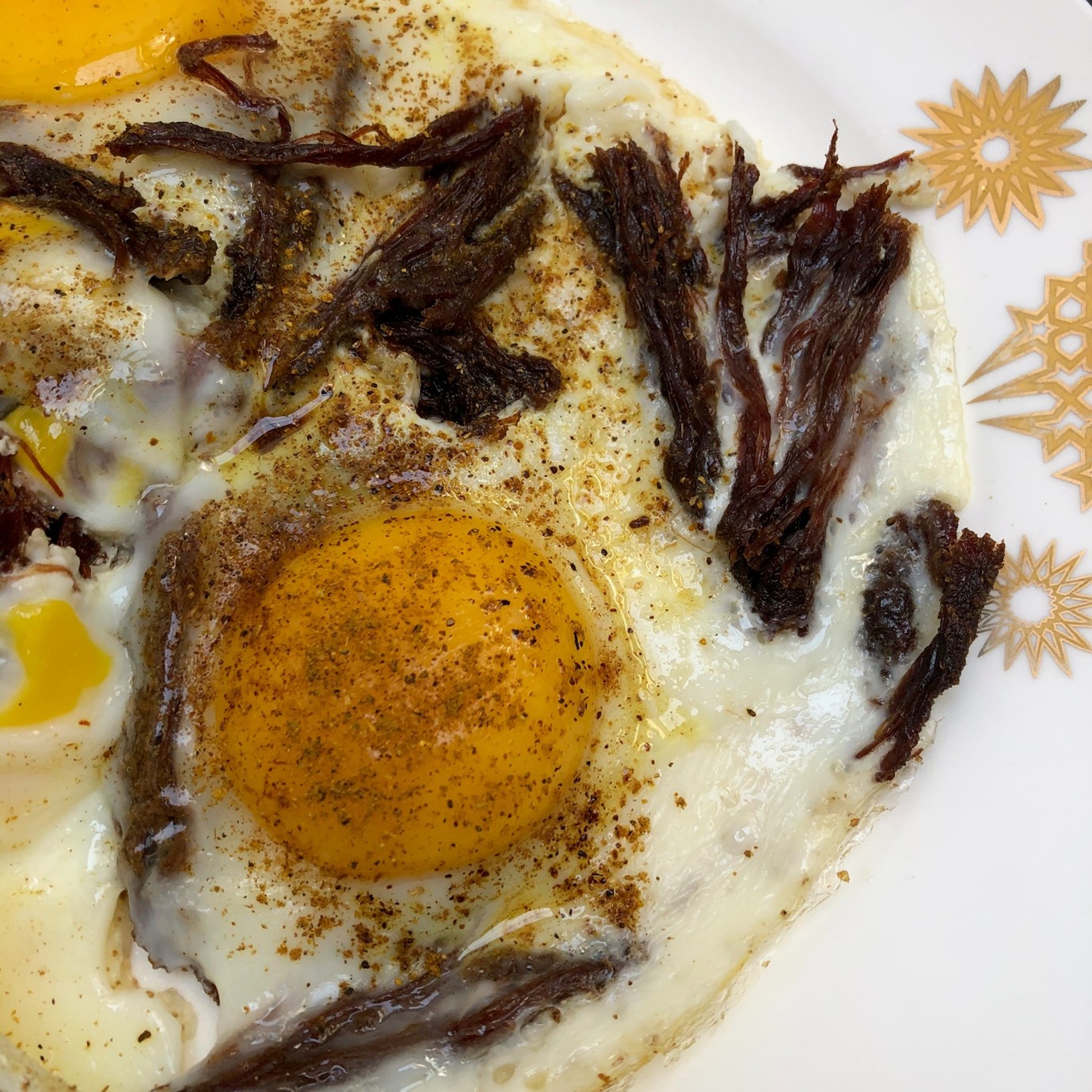
In North Africa, particularly Morocco, meat is preserved by marinating it in garlic, coriander and cumin, drying it, then cooking and storing it submerged in its own rendered fat—a method known locally for producing intensely savoury results.
Chunks of this preserved meat can later be fried with eggs, added to stews or eaten with bread for a protein-rich treat.
Why it works: salt and drying remove moisture, while fat seals out oxygen.
Underground Storage and Natural Containers
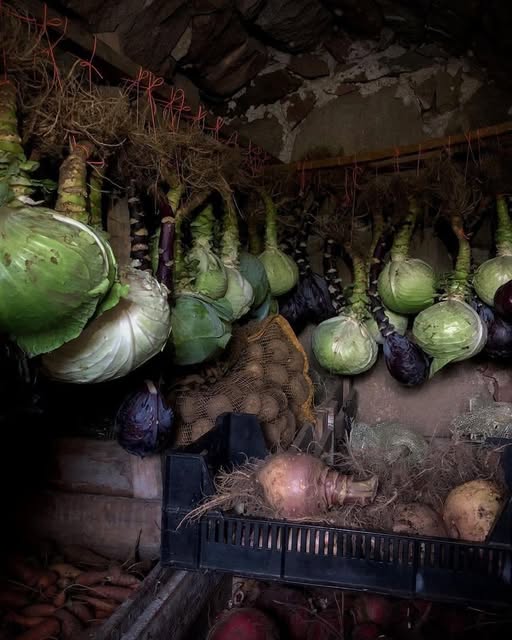
In arid areas such as Namibia, people have long stored grains, roots and even meat in underground pits or sealed gourds lined with ash or clay. These cool, low-oxygen environments slow spoilage dramatically.
Grain preserved this way might later be milled into flour, while stored tubers can be cooked months after harvest—an essential survival strategy in drought-prone regions.
Why it works: cooler temperatures and limited air restrict microbial growth.
A Living Culinary Heritage
These African preservation techniques are far more than practical survival methods—they’re flavour-building traditions that shape everyday cooking across the continent. From smoky fish stews to tangy fermented breads, the results continue to influence modern chefs and home cooks worldwide.
For travellers and food lovers alike, tasting preserved foods in Africa offers a delicious window into history, climate and cultural ingenuity—proof that necessity really is the mother of some of the world’s best recipes.

