

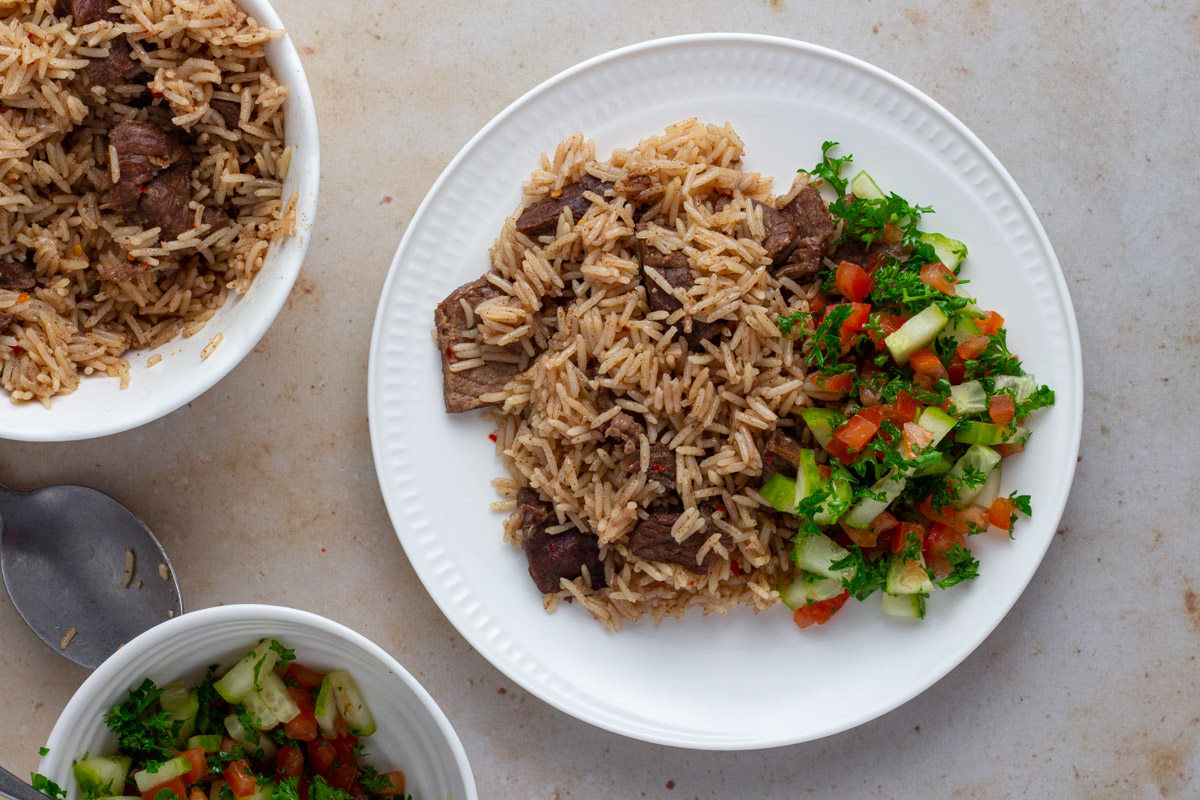
Few dishes capture the aromatic heart of East African cuisine quite like Pilau. With its rich layers of spiced rice, tender meat, and deep cultural roots, this dish has long been a staple across the Swahili coast—from Mombasa to Zanzibar and Dar es Salaam. Pilau isn’t just food; it’s a story of trade, celebration, and shared heritage.
A Taste of History
Pilau’s origins can be traced to the Indian Ocean trade routes that connected East Africa to Arabia, Persia, and India from as early as the 9th century. Merchants introduced fragrant spices such as cloves, cardamom, and cinnamon—ingredients that became central to the region’s culinary identity. Over time, these spices merged with African staples like rice, coconut milk, and local meats, resulting in a dish that’s both global and distinctly East African.
Today, Pilau ya nyama (meat pilau) is a highlight of Swahili feasts and celebrations—from weddings and Eid gatherings to family Sundays. It’s more aromatic and spiced than the Indian biryani but less saucy, relying instead on slow-cooked depth and the earthy sweetness of caramelised onions.
Traditional East African Pilau Recipe
Serves: 4
Preparation time: 20 minutes
Cooking time: 45 minutes
Ingredients:
2 cups long-grain basmati rice
500g beef, lamb or chicken (cubed)
2 medium onions, finely sliced
4 cloves garlic, minced
1 tbsp freshly grated ginger
3 tbsp vegetable oil or ghee
2 large tomatoes, chopped
1 tsp salt (to taste)
2½ cups hot water or broth
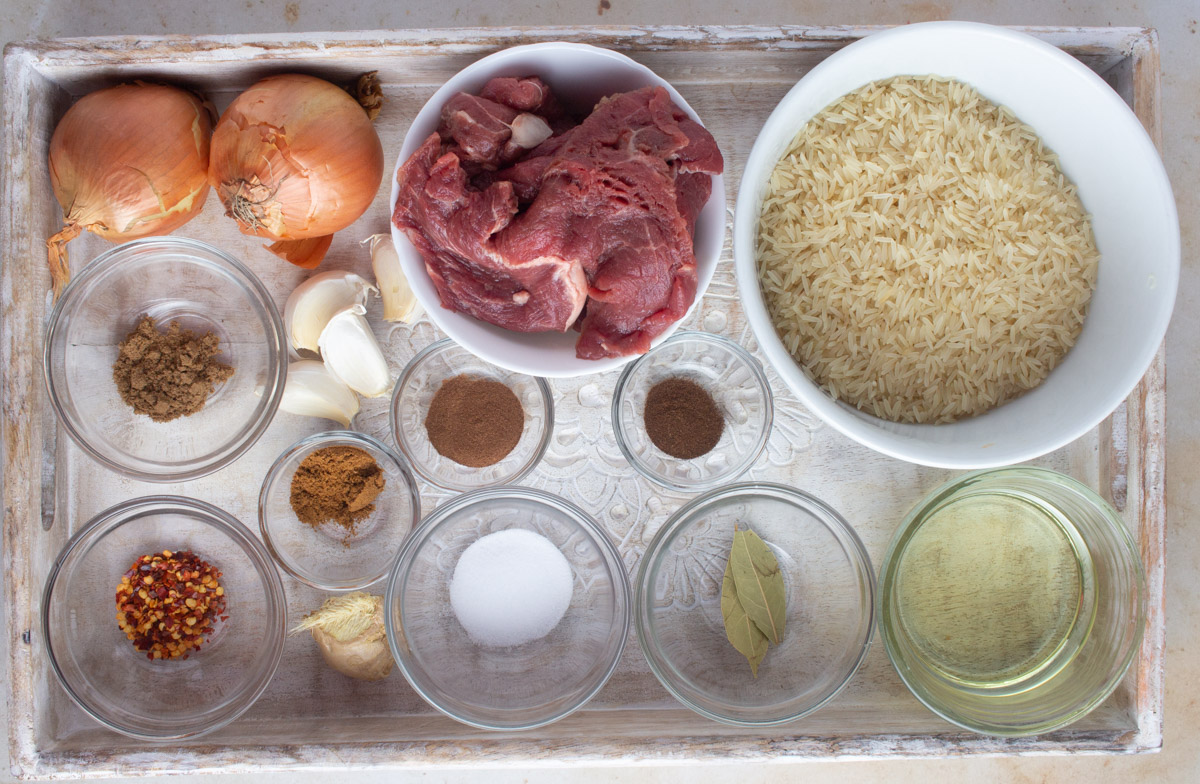
Pilau spice mix:
1 tsp ground cumin
1 tsp ground cardamom
1 tsp ground cinnamon
1 tsp ground cloves
1 tsp black pepper
1 tsp coriander powder
Optional additions:
1 cup coconut milk (for a creamier coastal version)
1 potato, peeled and cubed (for a traditional Zanzibar twist)
Method:
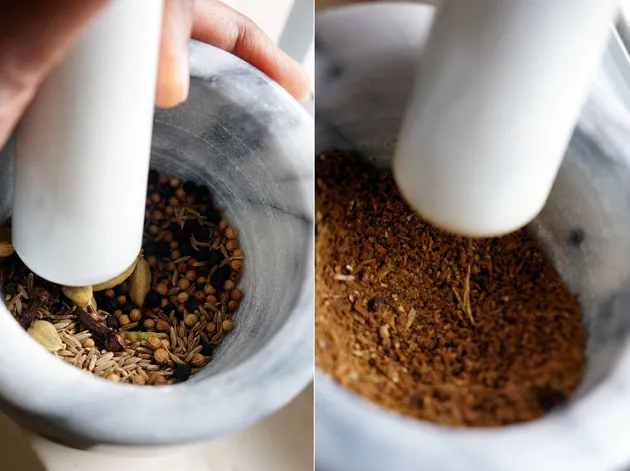
Prepare the spices:
In a dry pan, lightly toast the cumin, cardamom, cinnamon, and cloves for 30 seconds until fragrant. Set aside.
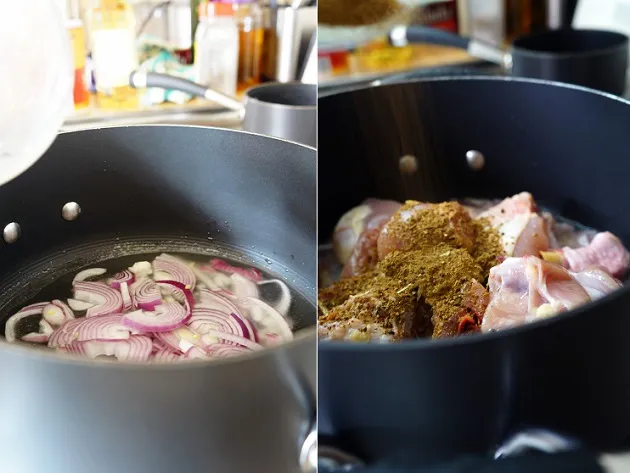
Sauté the onions:
In a large pot, heat the oil and fry onions on medium heat until golden brown. This step is key to Pilau’s depth of flavour—don’t rush it!
Add garlic, ginger, and spices:
Stir in the garlic, ginger, and the toasted spice mix. Cook for 1 minute to release the aroma.
Brown the meat:
Add your meat cubes and stir until browned on all sides. The caramelised bits add a smoky, savoury note.
Add tomatoes and simmer:
Mix in the tomatoes and cook until they soften into a thick base. Add salt and stir well.
Add rice and liquid:
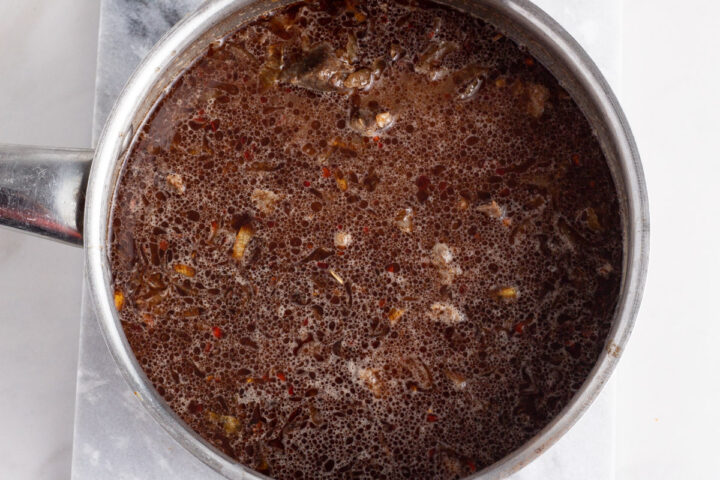
Stir in the rice to coat it with the spice mixture. Pour in hot water or broth (and coconut milk if using). Bring to a boil, then reduce heat to low.
Steam gently:
Cover with a tight-fitting lid and cook for 20–25 minutes until rice is tender and fluffy. Avoid stirring too often to prevent breaking the grains.
Rest and serve:
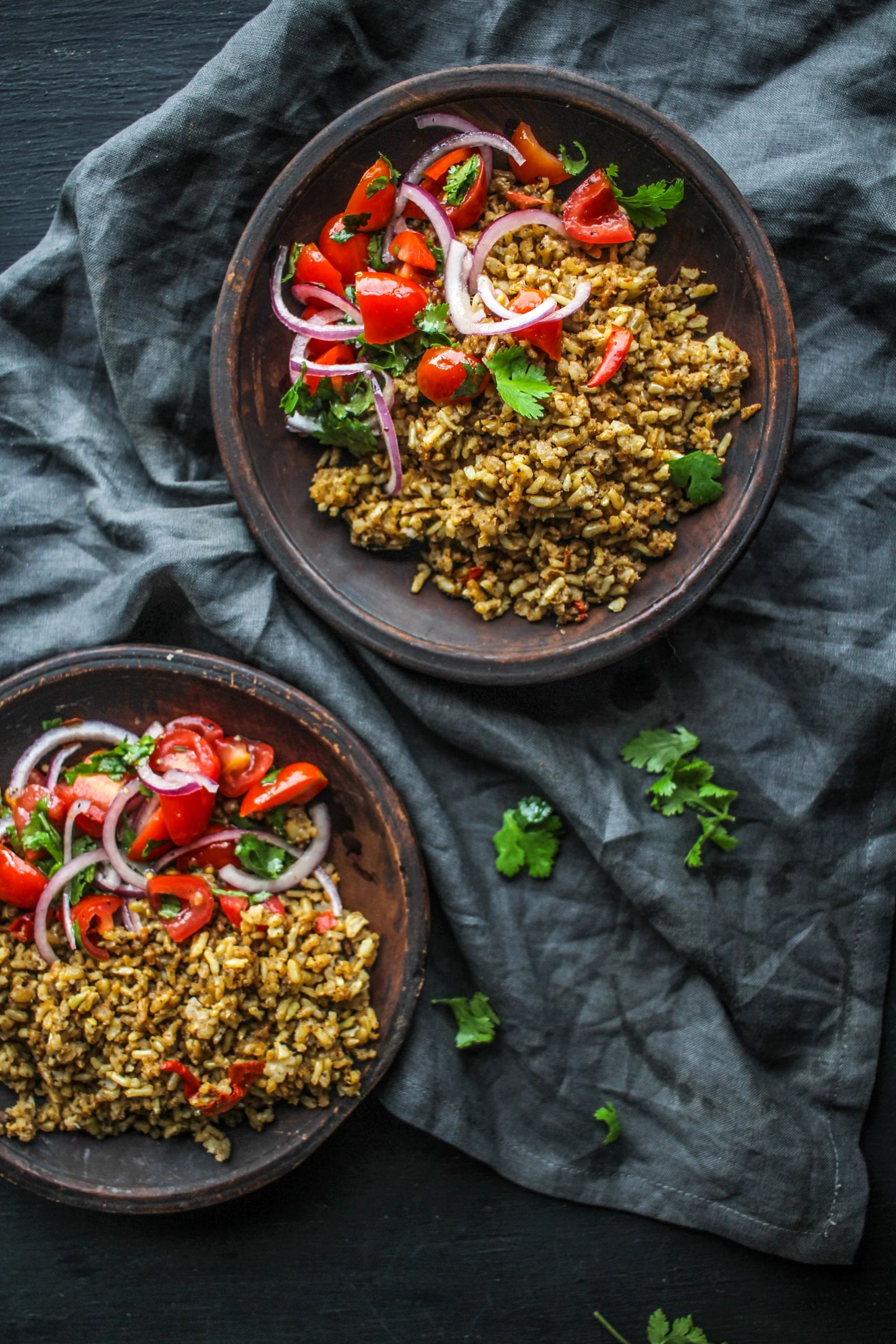
Turn off the heat and let the pilau rest for 5 minutes before fluffing with a fork. Serve hot with kachumbari (a fresh tomato and onion salad) and a slice of lime.
Regional Variations
Zanzibar Pilau: Often made with coconut milk and served during Eid or weddings, it’s creamier and lighter in spice.
Kenyan Coastal Pilau: Stronger in flavour with more cloves and cardamom, reflecting its Arab and Indian influences.
Tanzanian Pilau: Simpler, sometimes cooked with potatoes for a hearty one-pot meal.
Vegetarians can substitute meat with lentils or chickpeas while maintaining the same aromatic base.
Interesting Facts
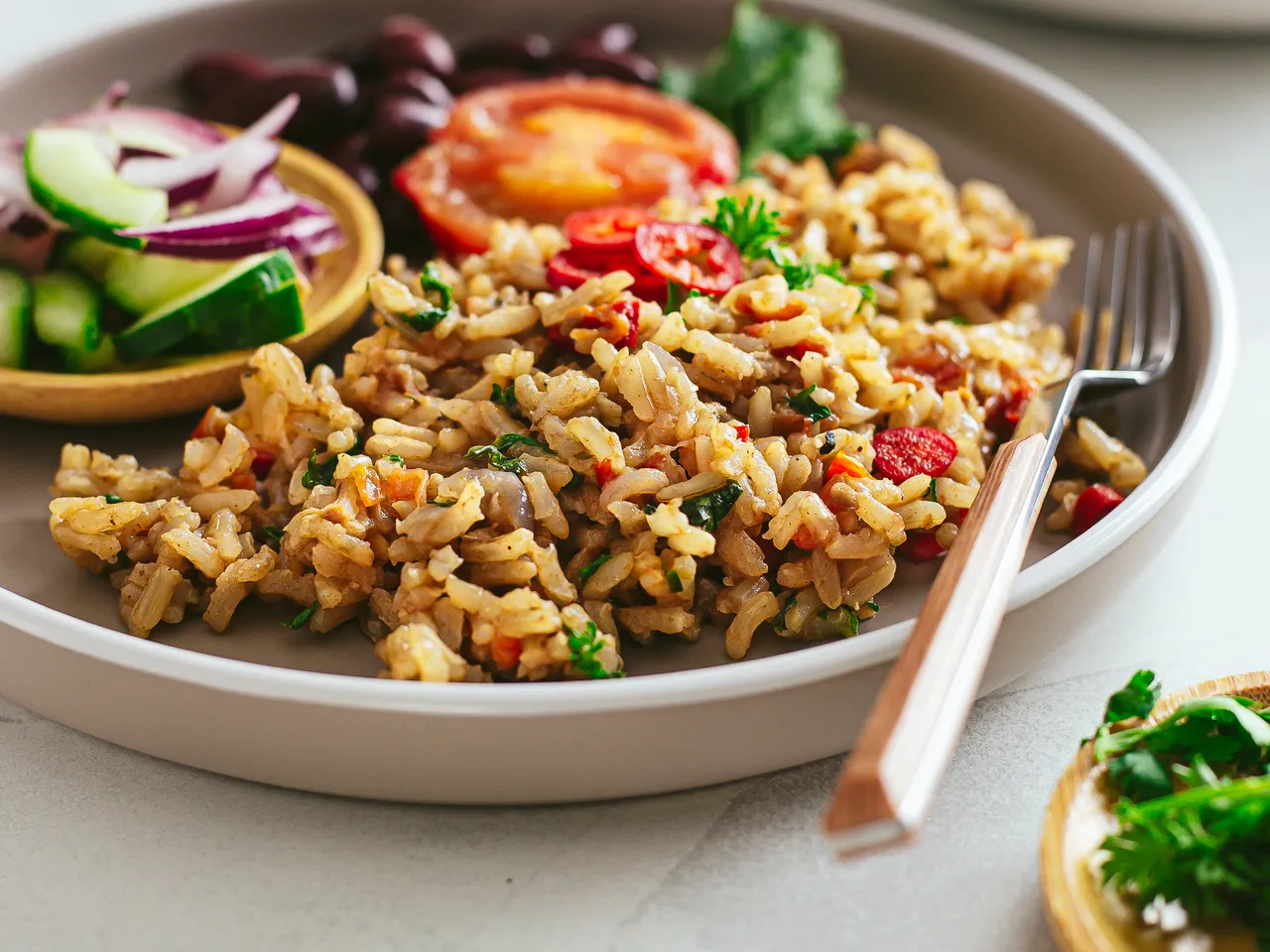
In Swahili culture, Pilau is often considered a symbol of hospitality and love.
Pilau Masala, the ready-made spice blend, is sold across markets in Kenya and Tanzania—every family has their own mix!
It’s a traditional meal for weddings and Ramadan, marking joy and abundance.
East African Pilau is more than just a meal—it’s a celebration of history, community, and spice. Whether you’re preparing it for a family dinner or a festive occasion, this fragrant dish offers a window into the heart of coastal Africa. So, roll up your sleeves, let the spices dance, and bring a taste of the Swahili coast into your kitchen.

