

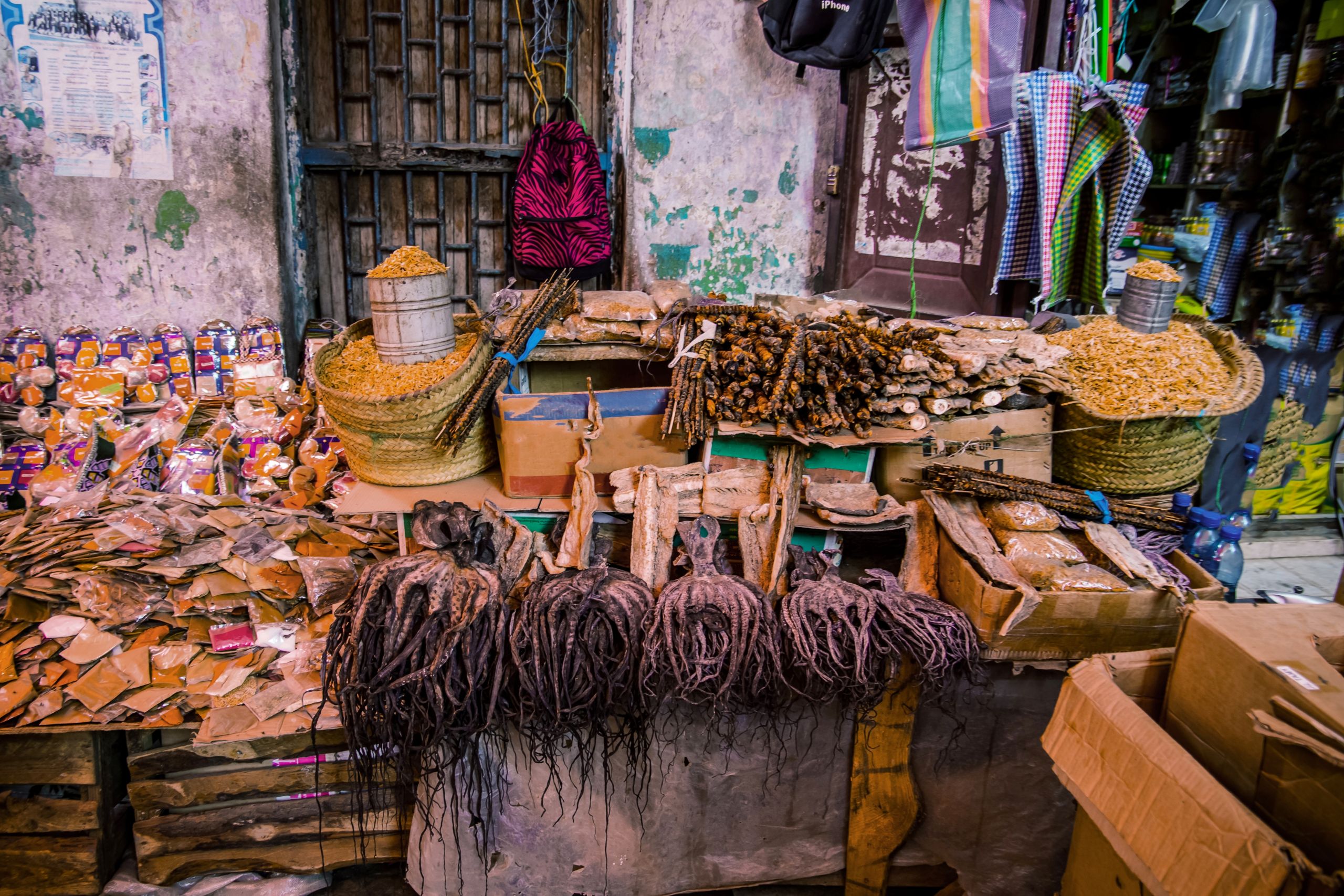
Tanzania, best known for its sweeping savannahs, Zanzibar beaches and the mighty Mount Kilimanjaro, also boasts a culinary tradition that deserves its own spotlight. Tanzanian cuisine is as diverse as its people, drawing on Swahili, Arab, Indian and European influences. The result is a blend of flavours that feels both familiar and wonderfully unique. For a global audience eager to explore African food, Tanzanian dishes offer the perfect mix of comfort, spice and adventure.
The Heart of Tanzanian Cuisine
At the centre of most Tanzanian meals is a starch, often paired with a rich stew, grilled meat, or spiced vegetables. Rice, maize, plantains and cassava form the backbone of everyday cooking, while coconut milk, fragrant spices and fresh seafood add coastal flair, especially on the islands of Zanzibar. Meals are usually communal, emphasising sharing and togetherness — a true reflection of Tanzanian hospitality.
Must-Try Tanzanian Dishes
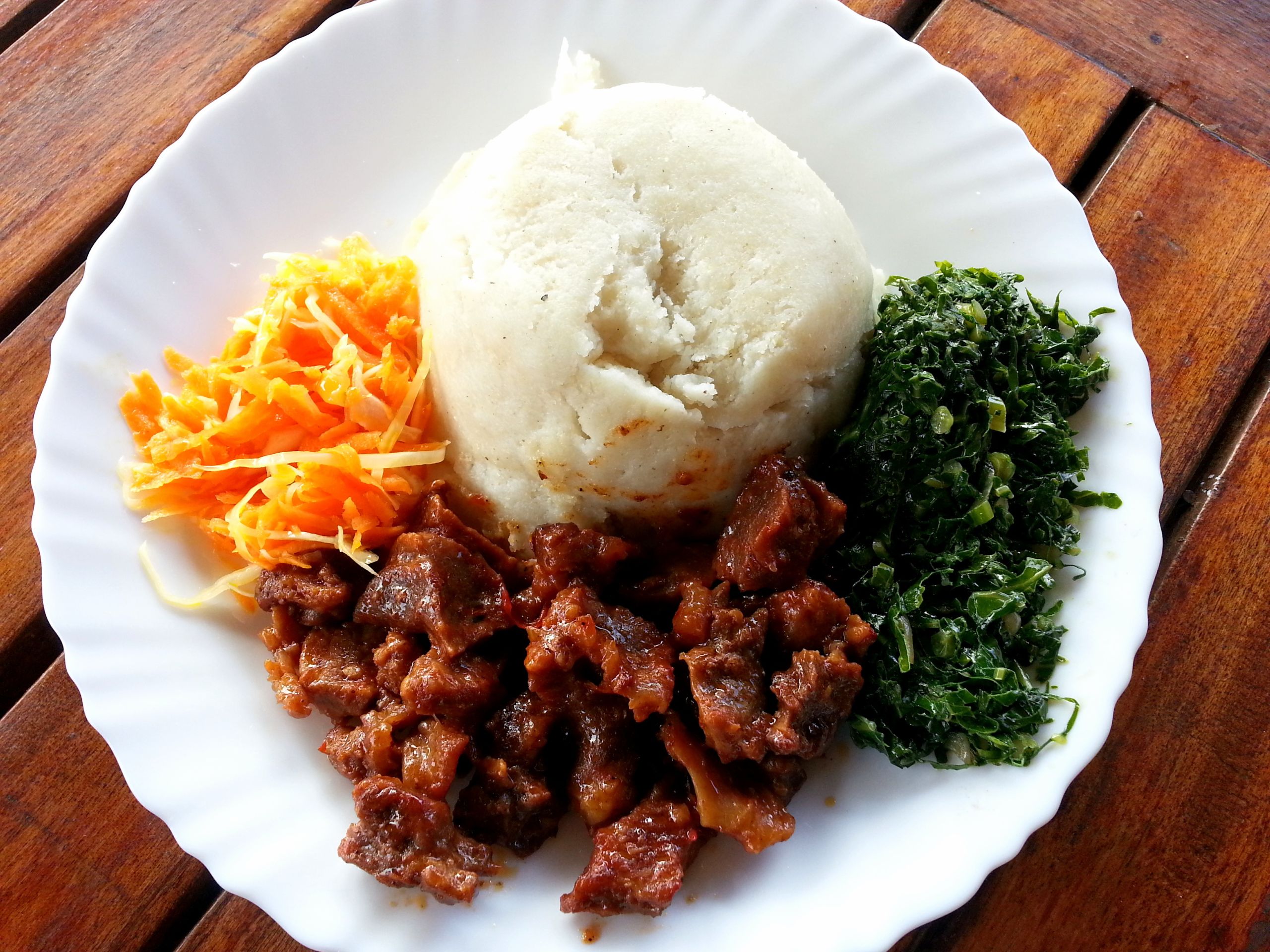
Ugali
Ugali is Tanzania’s most iconic staple, made from maize flour cooked into a dense, dough-like consistency. It may look simple, but it holds a special place in every household. Traditionally eaten with the hands, ugali is used to scoop up vegetables, beans, or meaty stews. Its mild flavour makes it the perfect canvas for Tanzania’s vibrant sauces and curries.
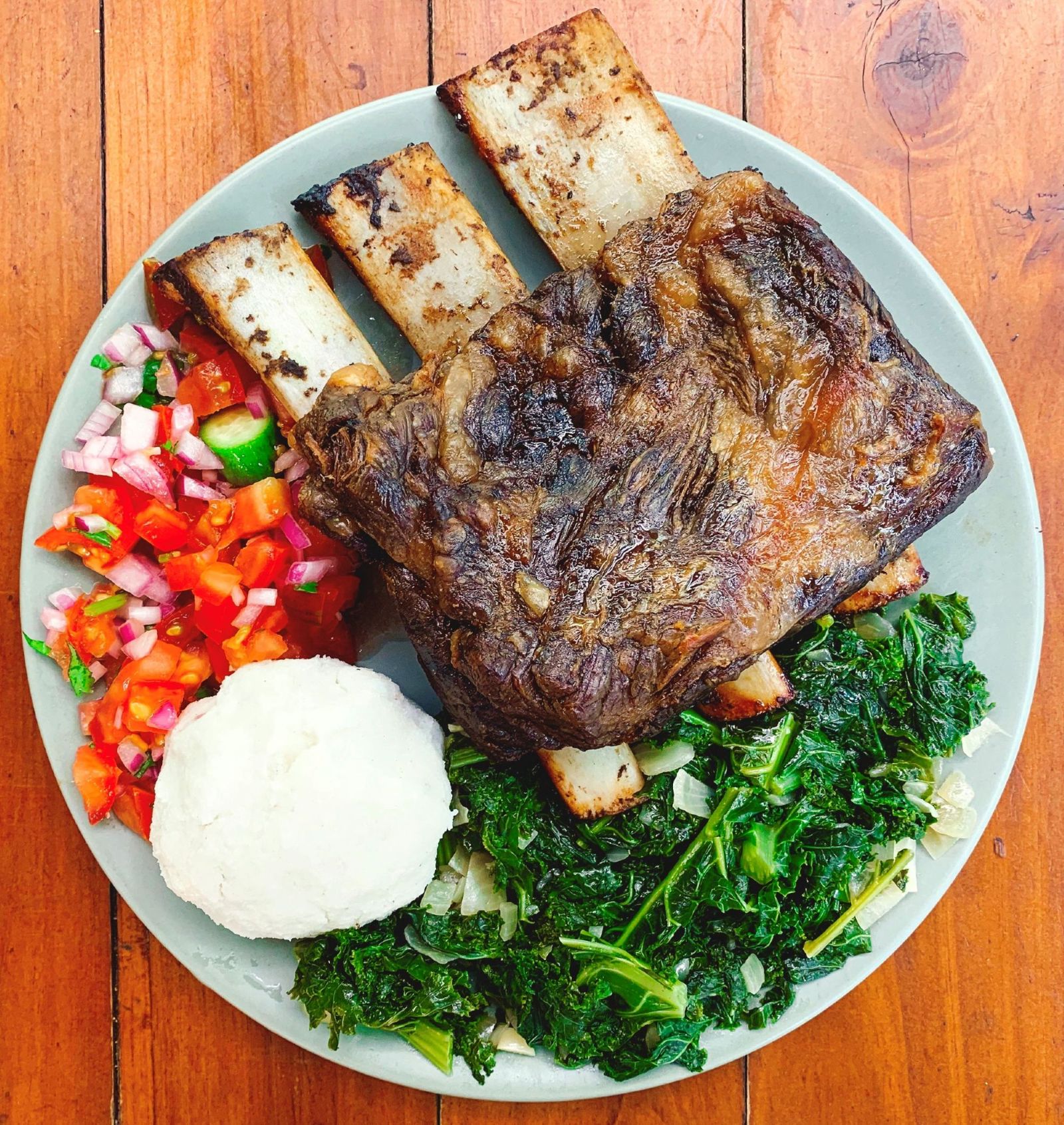
Nyama Choma
Literally meaning “roast meat,” nyama choma is Tanzania’s answer to the barbecue. Goat, beef or chicken is marinated, grilled over open flames and served with side dishes like kachumbari (a fresh tomato and onion salad). It’s a dish best enjoyed outdoors, with friends, music and a cold drink — embodying the social heart of Tanzanian food culture.
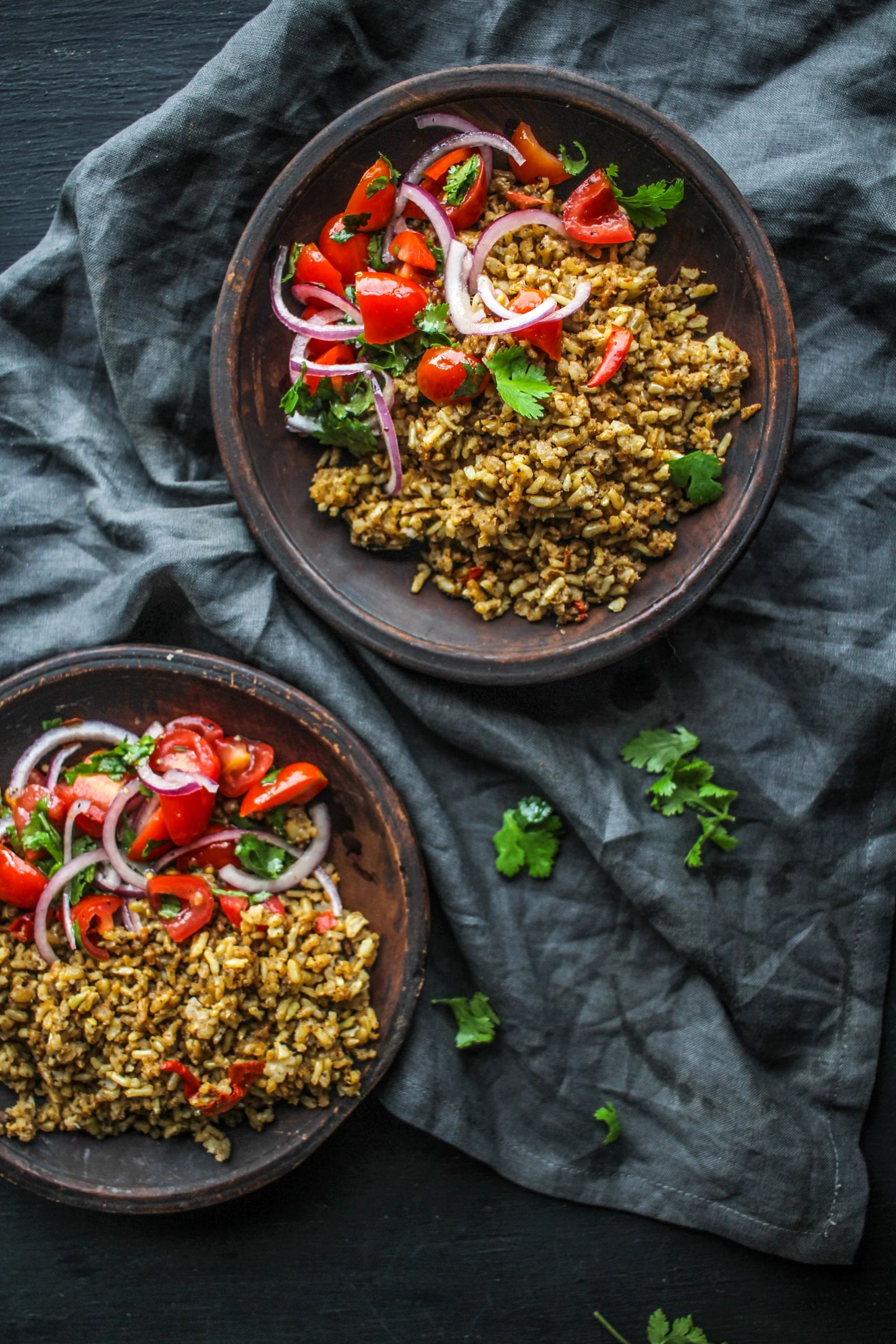
Pilau
A dish with roots in the Arab and Indian spice trade, pilau is a fragrant rice cooked with cinnamon, cardamom, cloves, garlic and sometimes meat or fish. Rich in flavour yet comforting, Tanzanian pilau is often reserved for special occasions such as weddings, festivals and family gatherings.
Zanzibar’s Famous Dishes
On the Spice Islands of Zanzibar, cuisine takes on an even more aromatic character. Zanzibar biryani layers rice with spiced meat or fish, while octopus curry offers a taste of the Indian Ocean with coconut milk and local spices. Street food lovers should not miss Zanzibar pizza, a playful snack filled with minced meat, egg, vegetables and even sweet options like banana or Nutella, folded and fried on a hot pan.
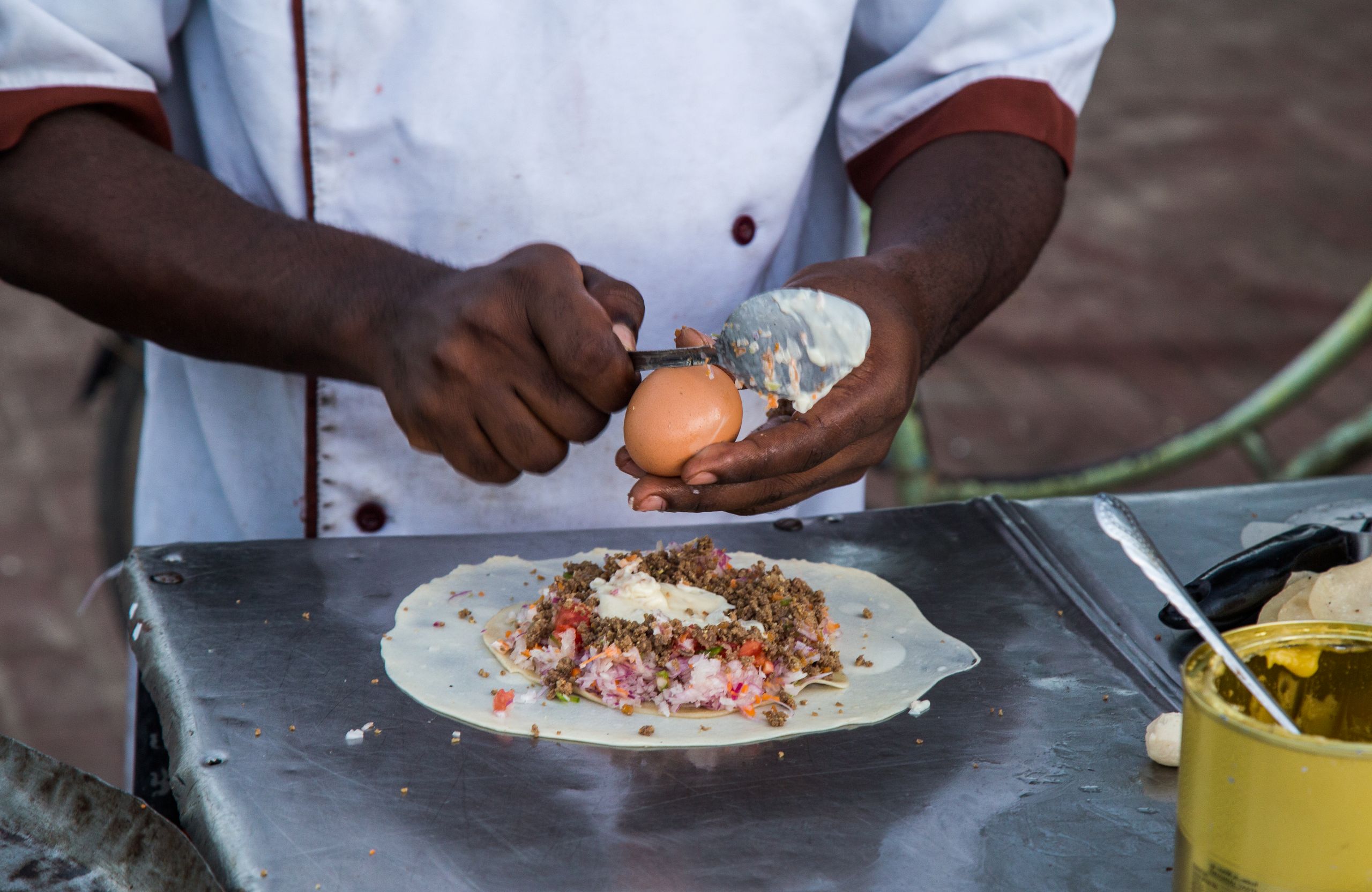
Vitumbua
For something sweet, vitumbua are irresistible. These small, round rice cakes are flavoured with coconut and cardamom, crisp on the outside and fluffy inside. Often sold by street vendors, they are the perfect snack with a cup of chai.

Drinks and Dining Rituals
Tea and coffee are deeply woven into Tanzanian daily life. Spiced chai is a morning staple, while Tanzania’s coffee — grown in the fertile slopes of Kilimanjaro and Mbeya — is internationally celebrated for its rich, smooth flavour. In coastal areas, fresh sugarcane juice and coconut water are refreshing favourites.

Bringing Tanzanian Flavours Home
The beauty of Tanzanian cuisine lies in its simplicity. With basic ingredients such as maize flour, rice, coconut milk and everyday spices, many dishes can be recreated in home kitchens worldwide. International food stores often stock Tanzanian coffee, Zanzibar spices, and even ready-mixed pilau masala to make the experience accessible.
A Global Culinary Invitation
Tanzanian cuisine is more than just food — it’s a story of trade, migration and cultural exchange, brought to life in every dish. For travellers and food enthusiasts, trying Tanzanian food is an invitation to experience the warmth and diversity of the country’s people. From the humble comfort of ugali to the spice-laden aroma of pilau, every bite is a journey through East Africa’s vibrant history.

