

Tanzania is a country of captivating contrasts. Serene coastal plains, bustling cities and sweeping savannahs shape not only the landscape but also the way people live. Tanzanian homes reflect this diversity in ways that feel welcoming and deeply connected to place.
Rooted in Culture and Environment
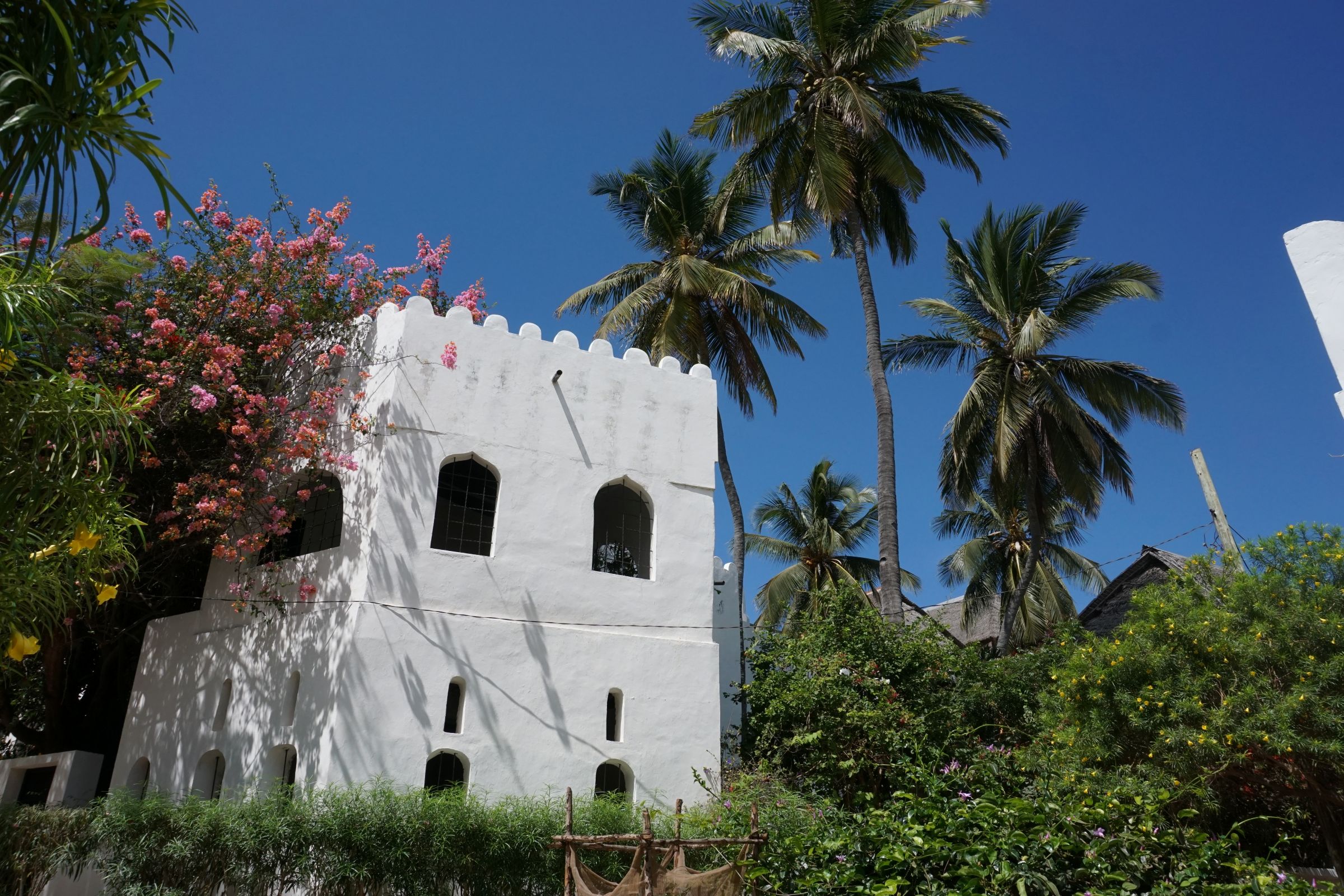
The architecture of Tanzanian homes varies widely across regions, influenced by climate, ethnic heritage and access to materials. In rural areas, many traditional homes continue to be built with locally sourced timber, thatch, earth and bamboo. Along the coast, Swahili-style homes remain iconic—whitewashed, rectangular structures with flat roofs, intricately carved wooden doors and internal courtyards designed for airflow and privacy. These houses often feature coral stone walls and natural lime plaster, giving them a timeless, coastal elegance.
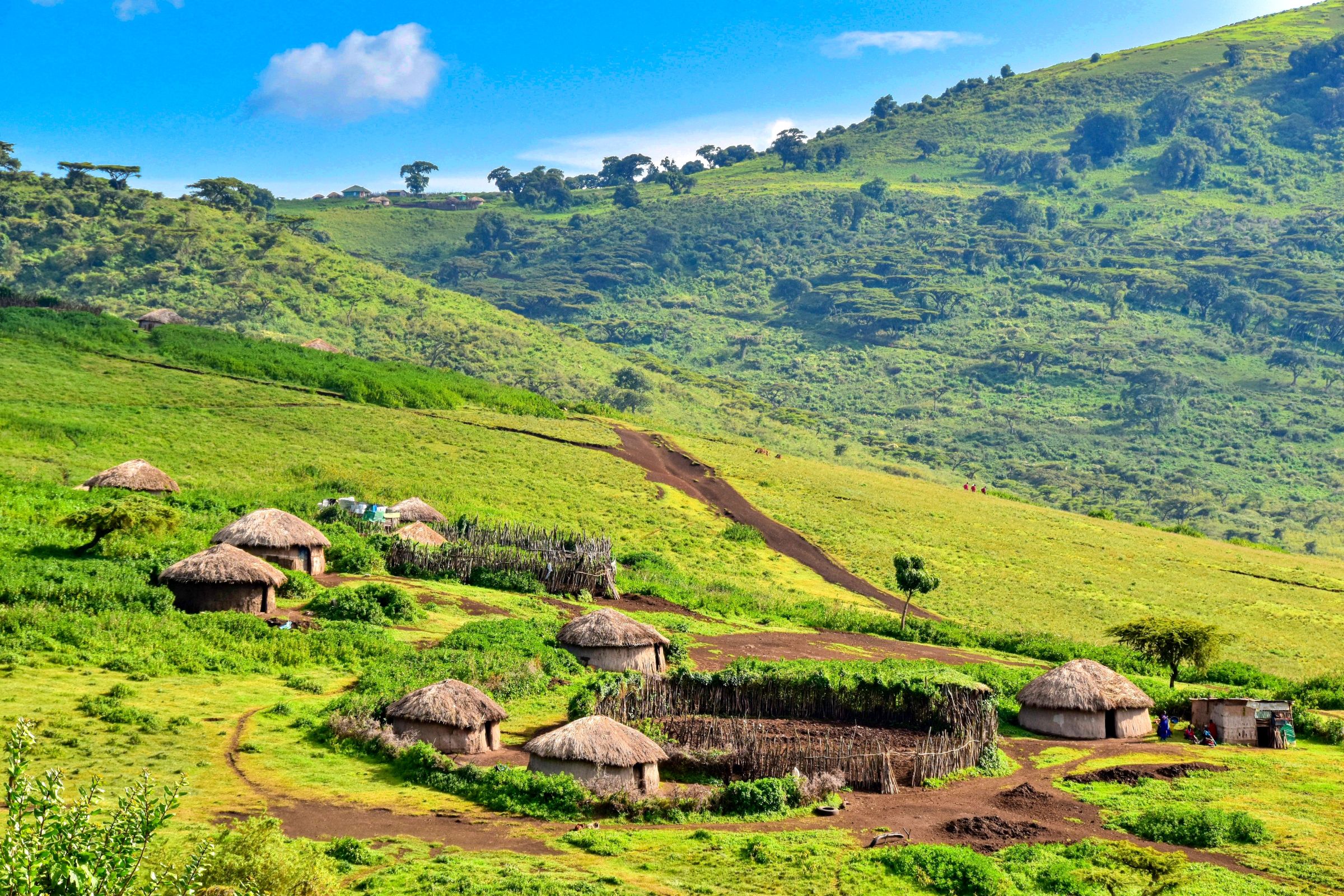
In the northern regions, particularly among the Maasai, circular huts known as enkangs are crafted from sticks, mud and cow dung—materials that help regulate interior temperatures during both cool nights and hot afternoons. In contrast, urban areas such as Dar es Salaam and Arusha showcase a different aesthetic: multi-storey apartment blocks, contemporary villas and gated compounds with landscaped gardens, open-plan lounges and large windows to capture natural light.
Urban vs Rural Living
Urban homes in Tanzania often prioritise efficiency and security. In cities, many middle-class families live in apartments or modern detached houses equipped with air conditioning. Spaces are more compact, but they are arranged to accommodate both daily routines and the culture of welcoming visitors. Living rooms tend to be the social hub, furnished with comfortable seating and often a television playing Swahili dramas or football matches.
Rural homes, on the other hand, typically prioritise outdoor living. Families may gather beneath the shade of mango trees or sit on verandas overlooking farmlands. Houses are often clustered within extended family compounds, creating natural spaces for communal cooking, storytelling and celebrations. Rooms are generally simpler, but they carry a warmth that reflects Tanzania’s strong sense of community.
How Tanzanians Entertain in Their Homes
One thing is universal across Tanzanian households: hospitality. Whether in a city apartment or a rural boma, guests are welcomed openly, offered tea, snacks and a comfortable seat—a gesture that speaks volumes about the country’s culture of generosity.
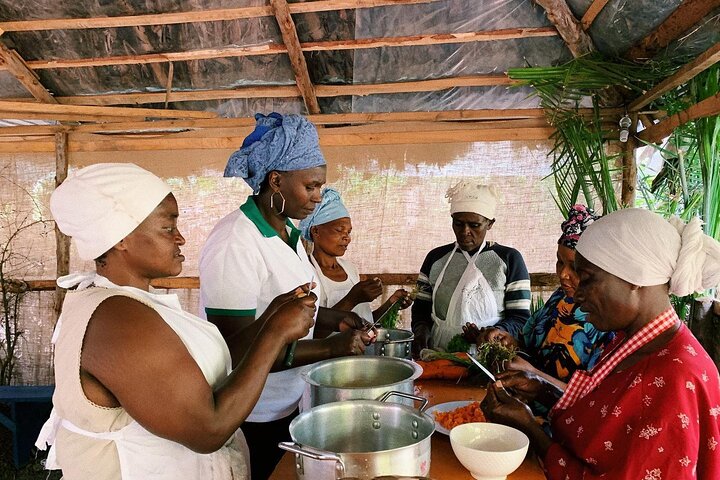
Entertainment in Tanzanian homes centres around food, conversation and music. Many gatherings revolve around dishes such as pilau, nyama choma (grilled meat), fried fish, coconut-rich curries or ugali.
Special occasions—such as weddings, naming ceremonies or religious holidays—often extend beyond the confines of the home. Neighbours and entire communities come together to cook large meals, play taarab music and dance. Even in modern settings, this community spirit remains a defining characteristic of Tanzanian home life.
Interiors Celebrating Craftsmanship and Culture
The interiors of Tanzanian homes are an inspiring blend of functionality, local artistry and African design. You’ll often find handcrafted wooden furniture made from teak, mninga or ebony, known for their durability and rich tones. Sofas may be upholstered in colourful kitenge or khanga fabrics, adding vibrancy and pattern to living spaces.
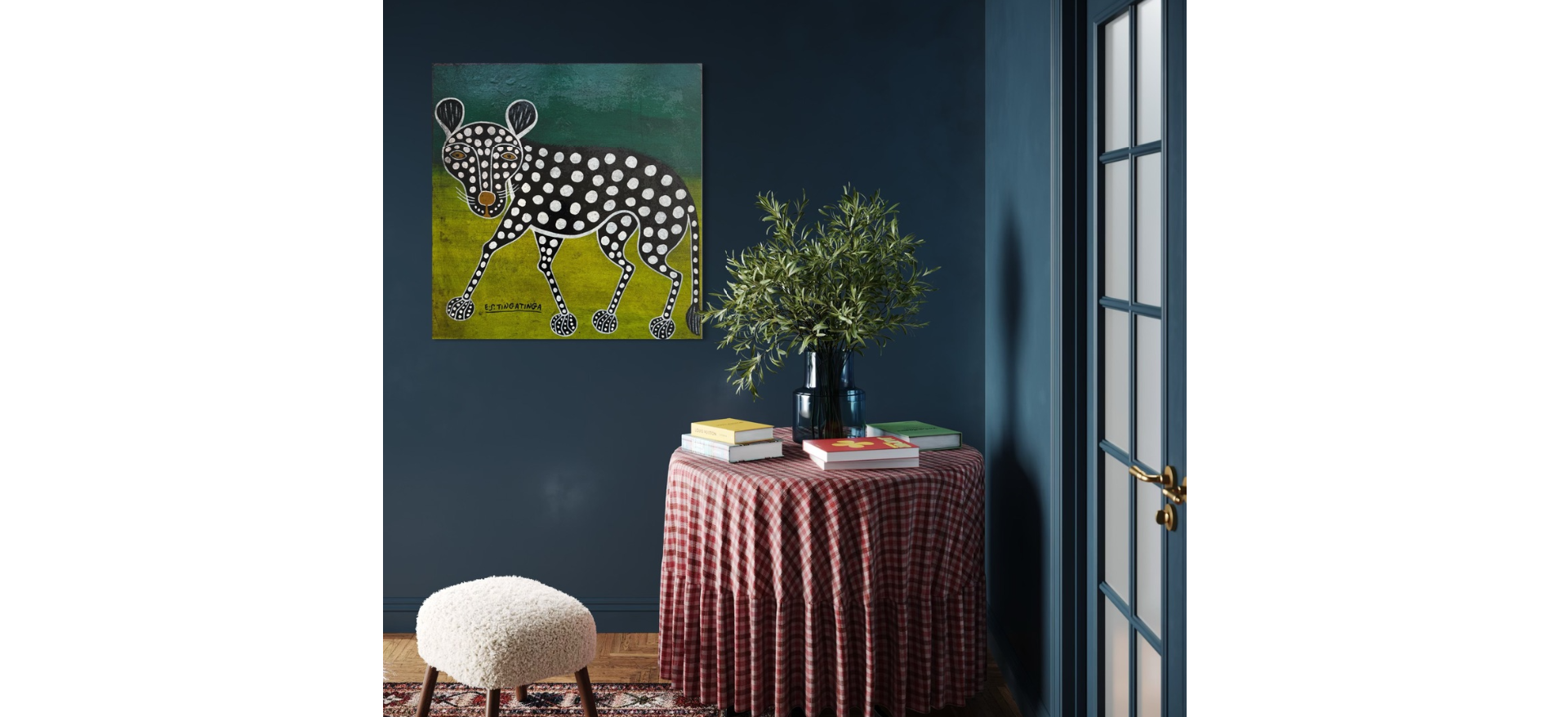
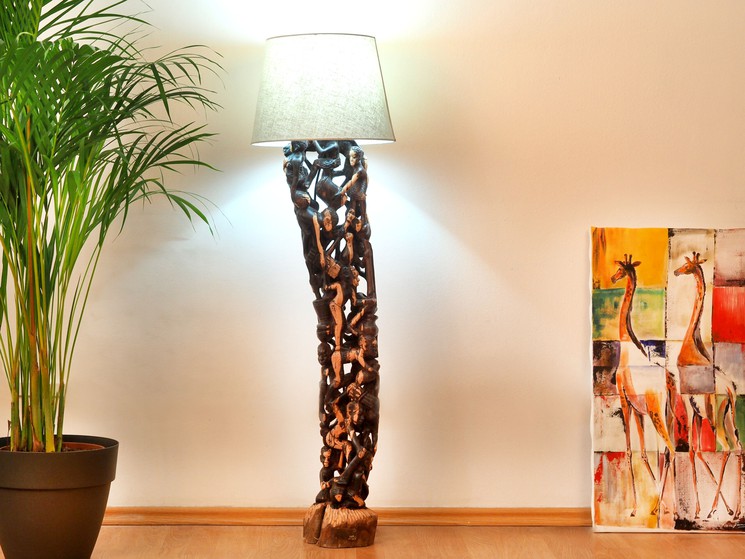
Walls are frequently adorned with woven baskets, Tinga Tinga art, Makonde wood carvings or coastal-inspired ornaments made from shells, coral or palm fibre. In many Swahili homes, carved wooden chests, Persian-influenced rugs and brass lanterns reflect centuries of Indian Ocean trade influences.
Natural materials dominate Tanzanian interiors—think sisal rugs, cane chairs, clay pots, woven mats and handcrafted stools. These elements not only support local artisans but also create warm, grounded spaces filled with texture and character.
Homes Steeped in Warmth and Identity
Tanzanian homes, in all their forms, are rooted in a profound sense of identity and they remain places of warmth, connection and cultural expression. For travellers, design lovers or anyone curious about everyday life in East Africa, Tanzanian homes offer a beautiful story—one woven from heritage, creativity and community spirit.

