

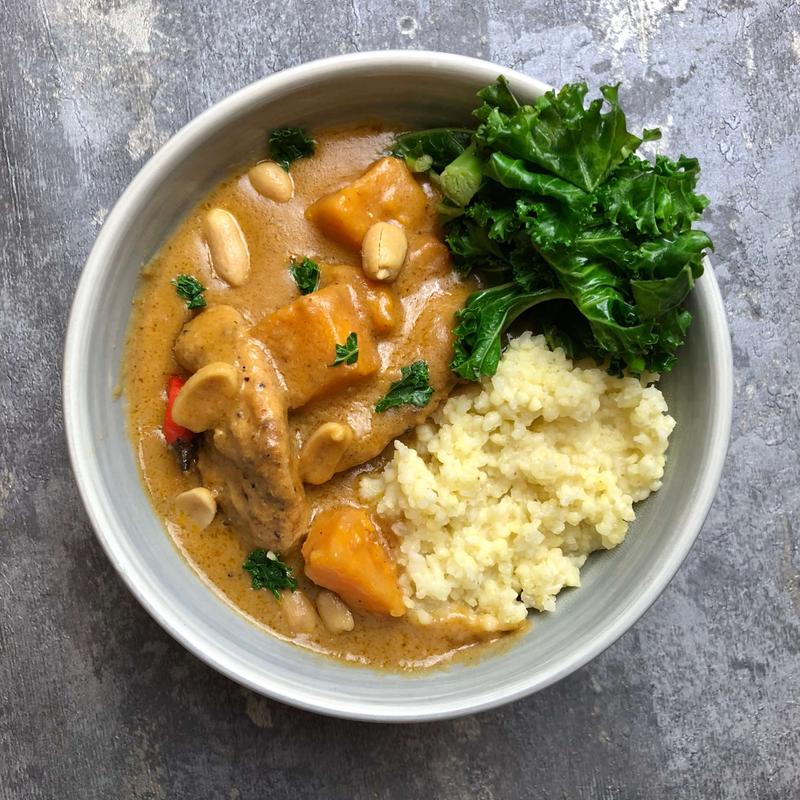
Malian cuisine is one of West Africa’s most comforting food traditions defined by hearty grain-based meals, rich sauces, slow-cooked stews, river fish and plenty of shared platters. For anyone new to the region, Malian food is a wonderful place to start because it balances bold flavour with familiar ingredients such as rice, tomatoes, onions, peanuts and leafy greens.
At its core, Malian cuisine is built around staples such as rice, millet and sorghum, usually served with sauces or stews. Regional differences matter too: couscous is more common in the arid north, while rice and millet are especially important in the south. Many everyday meals pair grains with braised greens, meat or fish, creating dishes that are filling, practical and full of flavour.
What makes Malian food unique?
One of the defining features of Malian cooking is the way sauces carry the meal. Instead of a plate built around a single protein, many dishes centre on a sauce made with peanuts, tomatoes, greens or spices, then served over rice, couscous or another starch. This style makes Malian food feel both communal and versatile, and it is one reason the cuisine shares links with neighbouring countries while keeping its own identity.
Another hallmark is shared eating. Traditional meals are often served on a large platter for family or guests to enjoy together, which adds to the warm, social feel of the cuisine.
Popular Malian dishes to try
Tigadegue Na
Often described as Mali’s national dish, Tigadegue Na is a peanut-based stew that captures the soul of Malian home cooking. It is typically made with meat (such as lamb or chicken), vegetables and a rich peanut sauce, then served with rice. Some descriptions note that the name refers to “peanut butter sauce”, which tells you exactly where the dish gets its signature depth and creaminess.
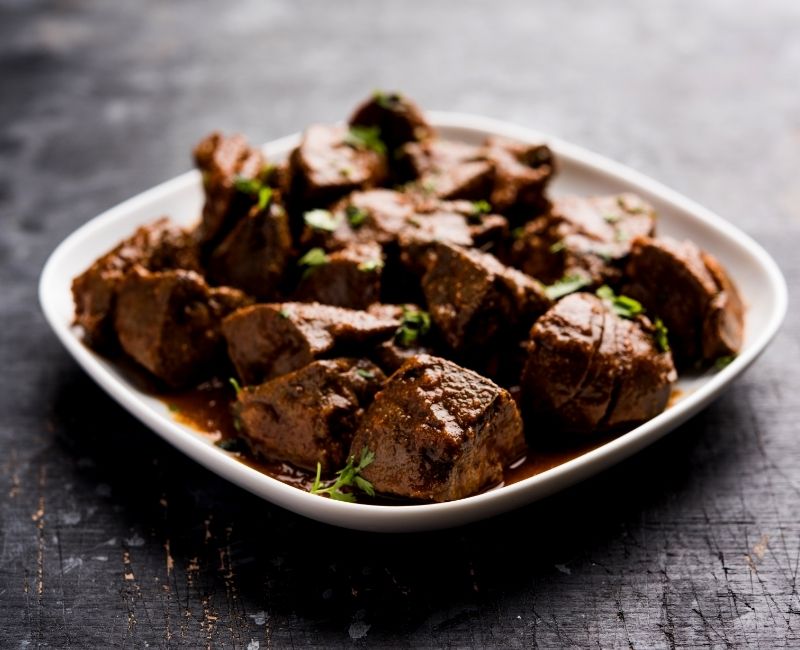
Maafe (Groundnut Stew)
Maafe is one of West Africa’s best-known peanut stews, and it originated in Mali before spreading widely across the region. It usually combines meat with a peanut sauce and may include tomato, onion, garlic and other vegetables. Depending on the cook, it can be served as a thick stew or a lighter sauce over rice or couscous.
For a global audience, maafe is a great gateway dish because it feels both comforting and layered, with savoury, nutty and gently spiced notes.
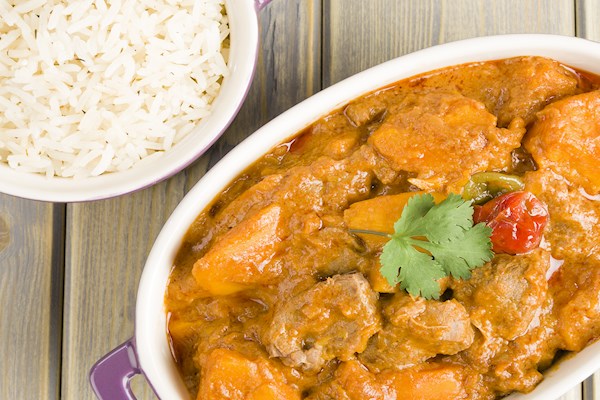
Jollof Rice
Jollof rice is beloved across West Africa, and Mali has its own versions. Jollof as a seasoned rice dish made with rice, tomatoes and spices, with country-to-country variations. In Mali, it is often cooked as a one-pot meal with meat or fish and vegetables, making it ideal for family-style serving. If you have tried Nigerian or Ghanaian jollof, Malian jollof is still worth exploring for its local style and serving traditions.
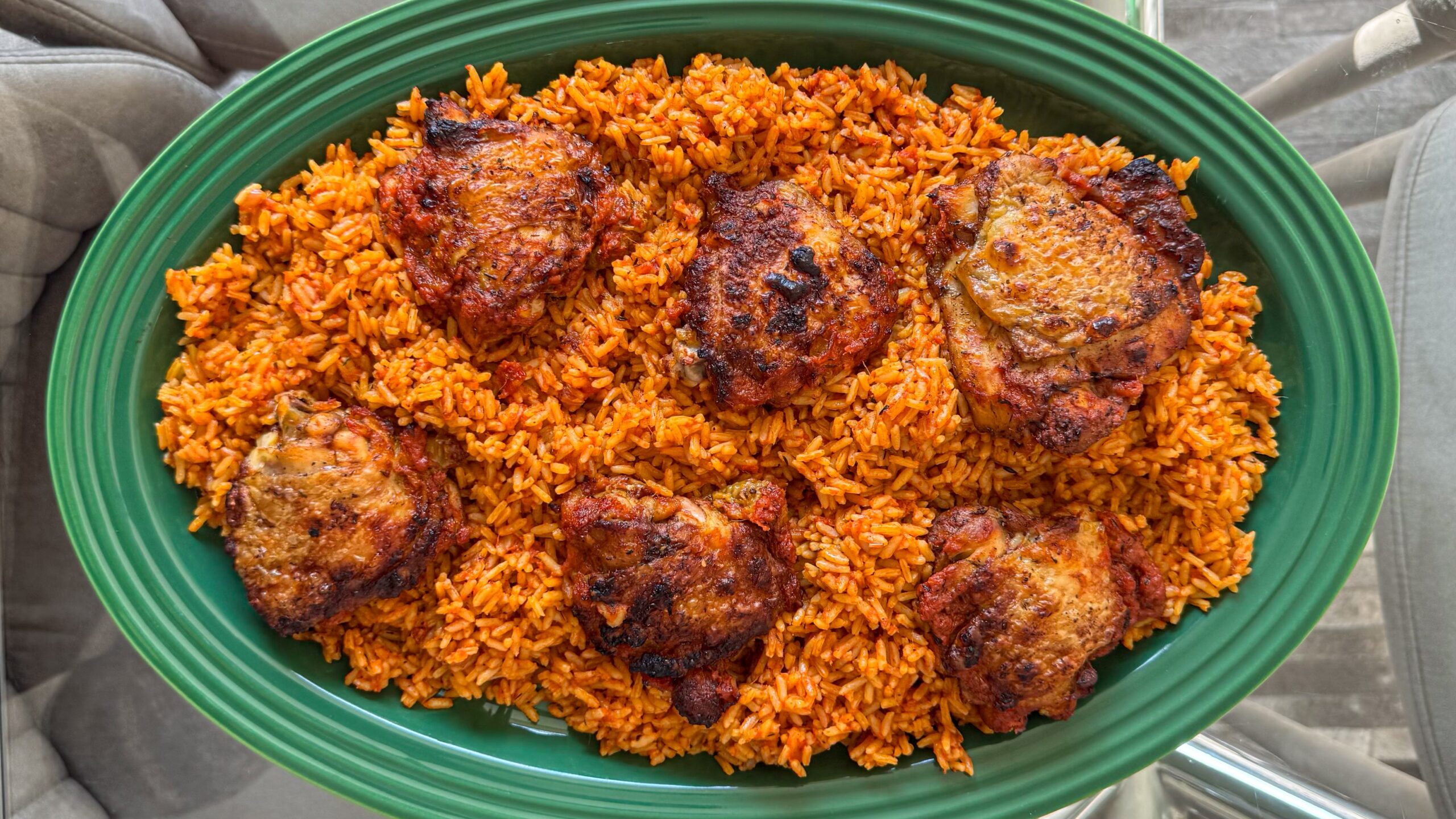
Fakoye
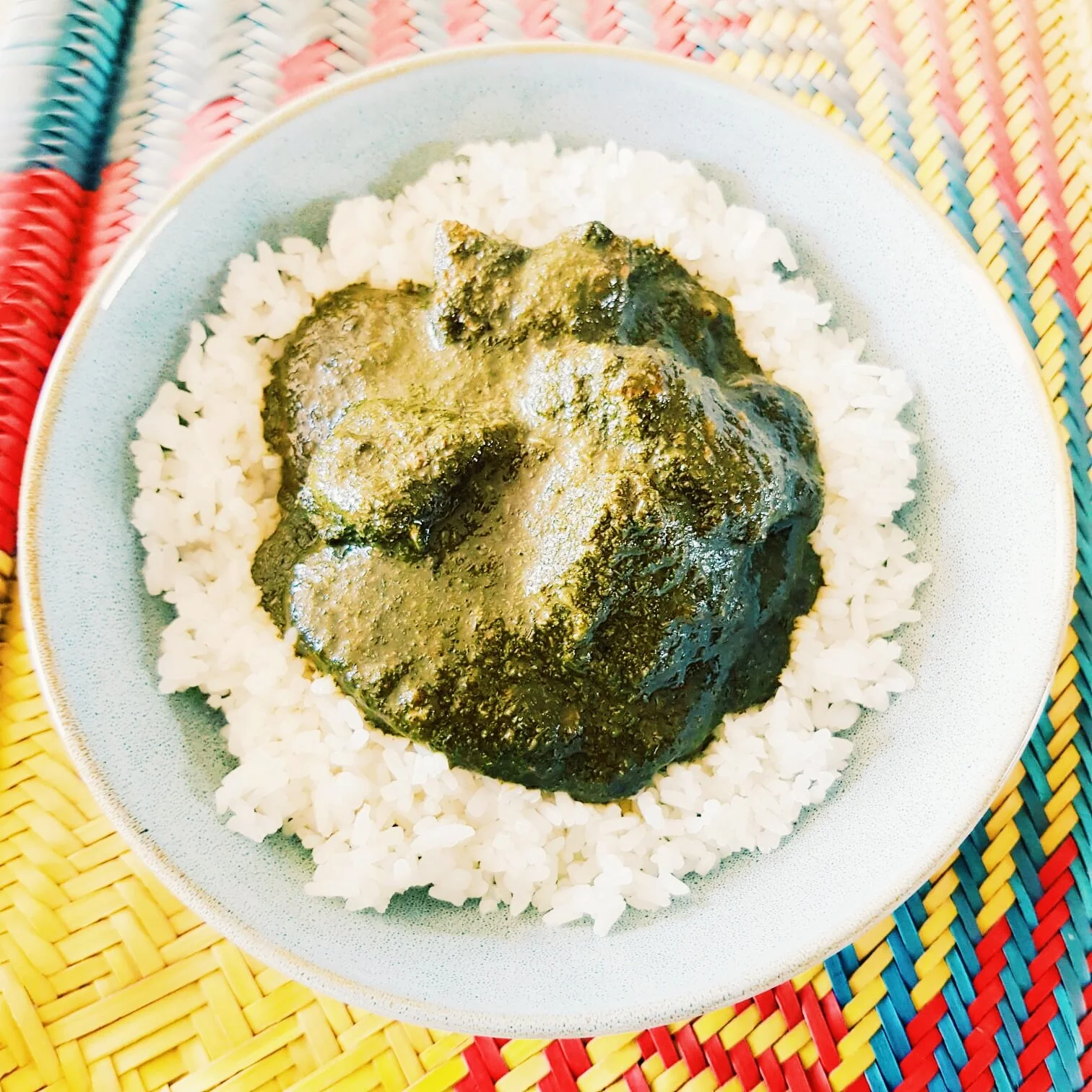
Fakoye is a distinctive Malian dish, especially associated with northern Mali. It is a dark, earthy sauce made from dried and ground jute leaves (sometimes called mloukhiya/molokhia or corète), and it is often cooked with meat and spices. Its flavour is more herbal and savoury than tomato-based stews, which makes it stand out on a Malian menu. This is a brilliant choice for adventurous eaters who want to go beyond the best-known dishes.
La Capitaine (Niger River fish)
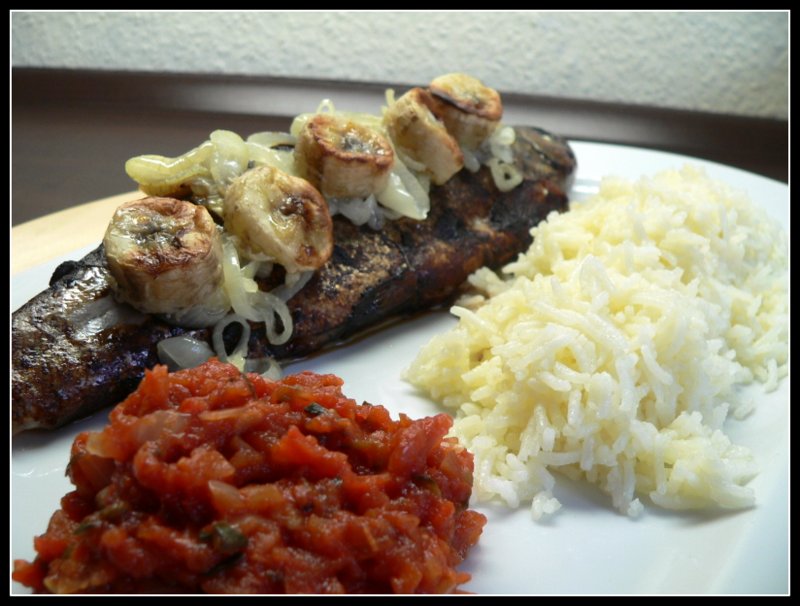
Despite being landlocked, Mali has a major culinary advantage: the Niger River. Fish dishes are therefore an important part of the national food scene. “Le/La Capitaine” commonly refers to a Nile perch preparation, often served with rice, chilli sauce or fried plantain. It is a great example of how river-based cooking shapes Malian cuisine.
Why Malian cuisine deserves more attention
Malian food is practical, generous and full of character. It celebrates grains, local greens, peanuts and slow-cooked sauces in ways that feel both nourishing and deeply social. For first-timers, start with Tigadegue Na or maafe, add jollof rice for a familiar West African classic, and try fakoye or capitaine when you want a more regional taste of Mali.
If you are exploring African food at home or planning a future trip, Malian cuisine is a delicious place to begin.

