

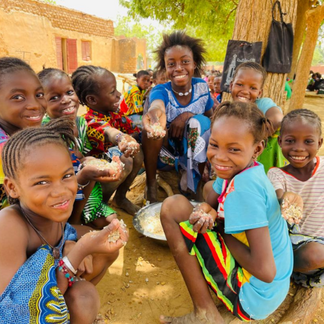
Mali is one of West Africa’s great cultural heartlands — a vast, landlocked country shaped by the Niger River, the Sahara’s edge, and centuries of trade, scholarship, and storytelling. Malian lifestyle can feel both strikingly unfamiliar and instantly recognisable: family-first values, a strong sense of community, and everyday life paced by the seasons, faith, and hospitality. Here’s an introduction to how Malians live, from culture to food, and daily habits.
Culture and community
A key thread in Malian life is social connection. Greetings matter — and they’re often long, warm, and respectful. Asking after someone’s health, family, and work isn’t small talk; it’s a social glue. In towns and villages alike, community life happens outdoors: people gather to chat, share tea, exchange news, and support one another through ceremonies and everyday needs.
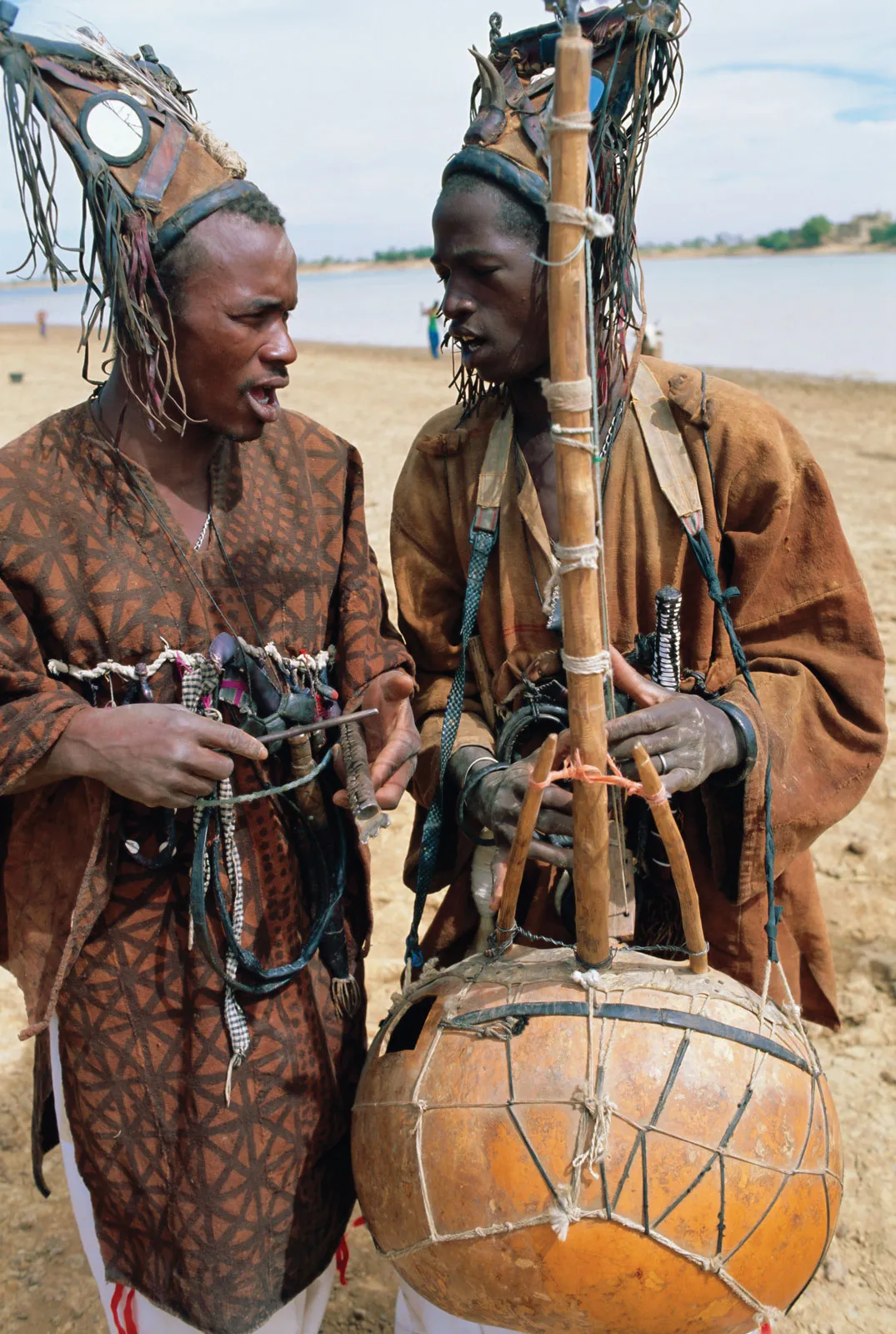
Mali is also famous for its artistic traditions. Music is central — not just as entertainment, but as history and identity. Traditional storytellers and musicians (often known as griots or jeliw in Mande cultures) have long preserved family lineages and local histories through song and spoken word, especially at weddings and naming ceremonies.
Ethnic groups in Mali
Mali is ethnically diverse, and identity is often shaped by region, language, and heritage. Major groups include the Bambara (Bamana) — one of the largest — as well as the Fulani (Peul/Fulɓe), Soninké, Malinké (Mandinka), Dogon, Songhai, Bozo, Tuareg, and Arab communities, among others. This diversity shows up in clothing styles, cuisines, festivals, crafts, and languages. While French is the official language, many Malians speak local languages daily, such as Bambara, Fulfulde, Songhai, Tamasheq, and Dogon languages.

Malian food
Malian cuisine is hearty, sociable, and built around grains and sauces. A typical meal may feature rice, millet, or sorghum, served with a richly flavoured sauce made from vegetables, peanuts, okra, leafy greens, or tomatoes, often with fish or meat when available.
You might come across:
- Tô (a firm porridge-like staple made from millet or sorghum) served with sauce
- Rice dishes with spicy tomato-based sauces or peanut sauces
- Grilled meats and brochettes sold as street food
- Fried dough snacks and sweet treats at markets
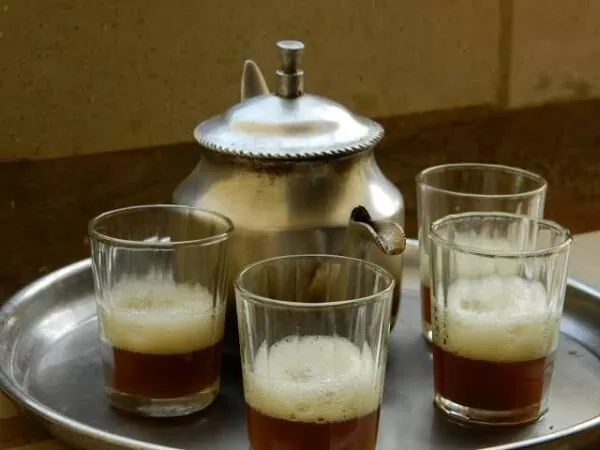
- Tea culture (especially in the north and in social settings): strong, sweet tea served in small glasses, shared over conversation
Meals are commonly eaten from a shared bowl, with family members gathered together — a simple ritual that reinforces togetherness and respect.
Homes and living spaces
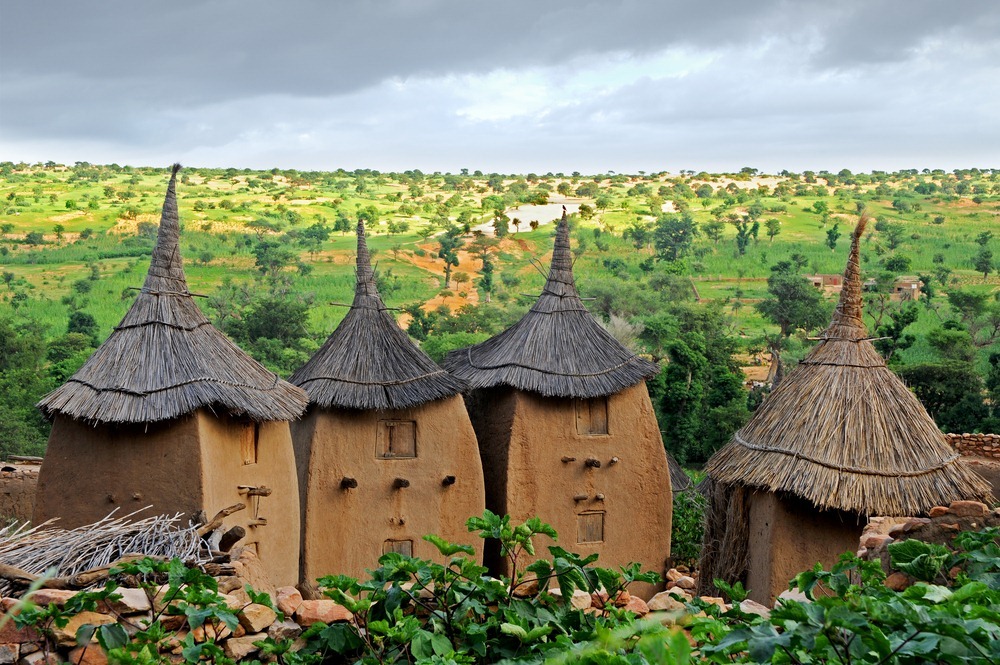
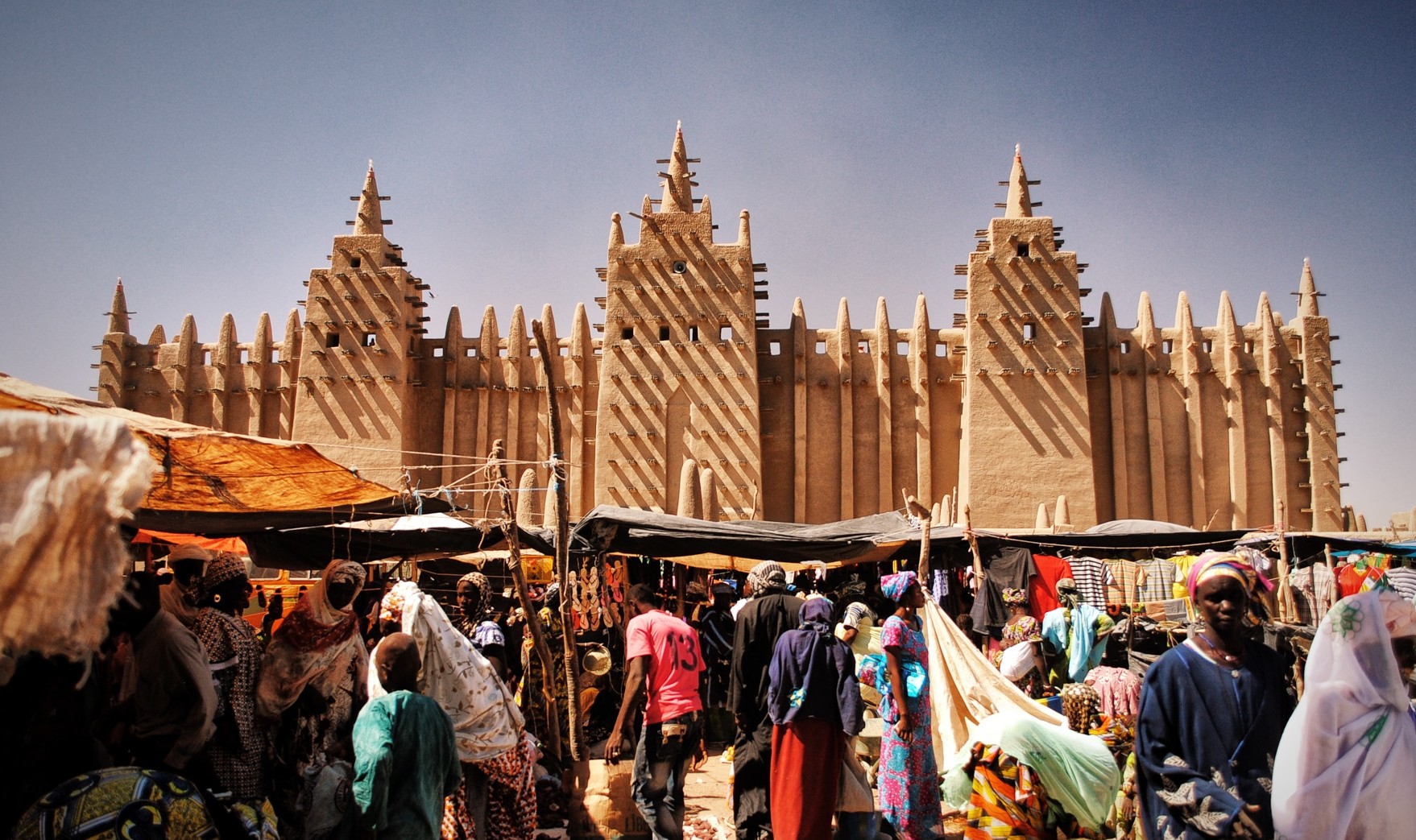
Housing in Mali varies widely between rural villages and urban centres like Bamako. In many areas, traditional homes are built from mud brick (banco) — an ancient, climate-smart material that helps keep interiors cool. Compounds often include multiple rooms arranged around a courtyard where cooking, washing, chatting, and children’s play take place. Courtyards are the social heart of the home.
In cities, you’ll also see concrete homes and apartment blocks, especially among the growing middle class. Regardless of the building style, practical design is common: shaded outdoor areas, high walls for privacy, and spaces that accommodate extended family life.
Daily lifestyle habits
Daily life in Mali often starts early, particularly in hotter regions. Many people shop frequently at local markets, where fresh produce, spices, grains, fabrics, and household goods are bought and sold. Bargaining can be part of the experience, and market days are lively social events.
Faith is another strong influence. Mali is predominantly Muslim, and daily routines may be shaped by prayer times, religious festivals, and community expectations around modesty and respect.
Family structures are often extended, with grandparents, aunts, uncles, and cousins playing active roles in childcare and household life. Celebrations are big community moments — naming ceremonies, weddings, and religious holidays bring people together with music, shared meals, and beautiful clothing.
Grounded, creative, resilient
Malian lifestyle is deeply rooted in place — the river, the desert edge, the farmlands — and in people: family, neighbours, and community networks. If you’re curious about Mali, start with its music, its market culture, and its food. You’ll quickly sense a country where everyday life is carried by rhythm, generosity, and pride in heritage.

