

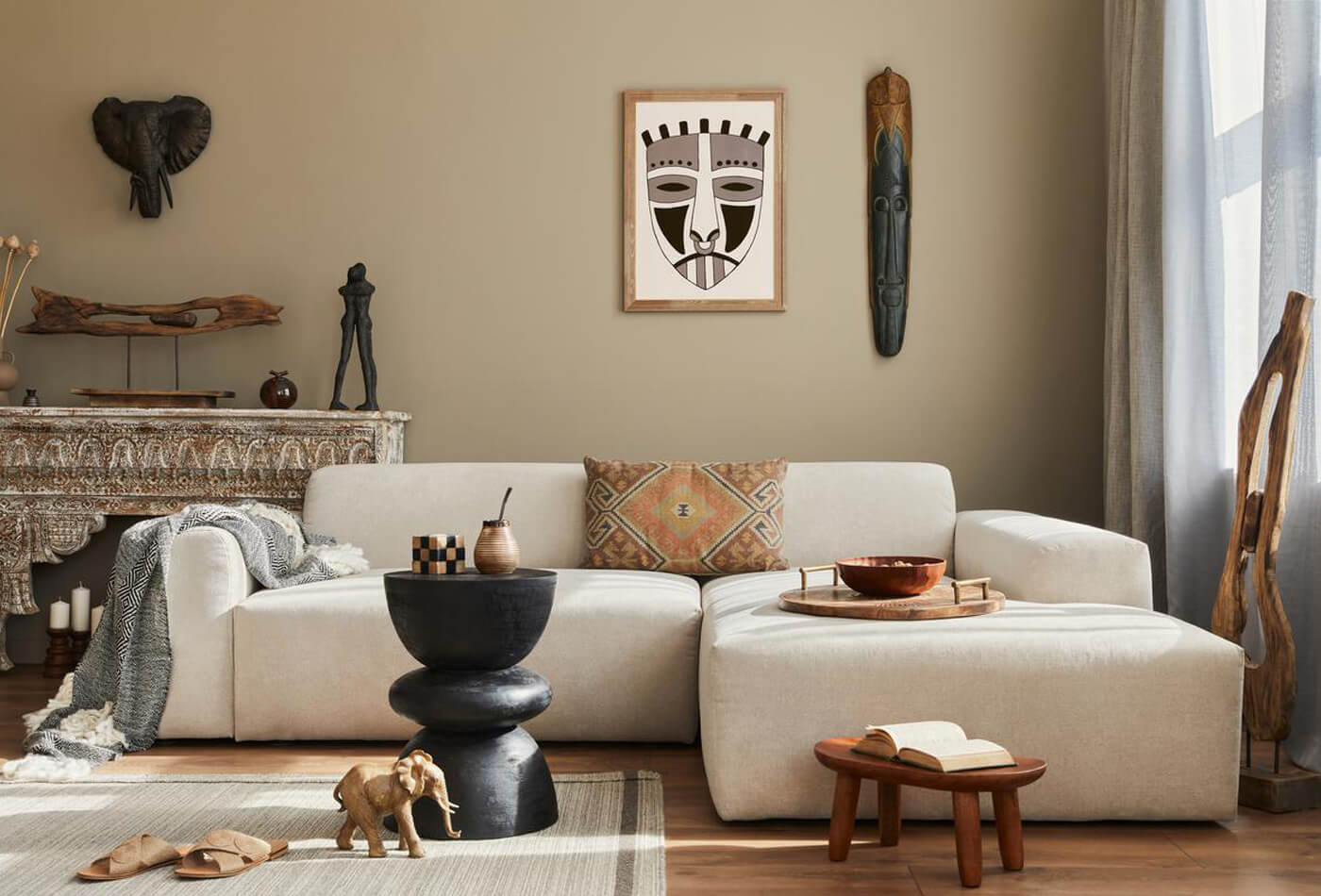
Ivorian homes offer a fascinating glimpse into how architecture, design, and daily life shape its homes. From bustling Abidjan apartments to rural family compounds, these homes reflect both tradition and modernity, weaving together history, craftsmanship, and social connection.
Urban vs Rural Living
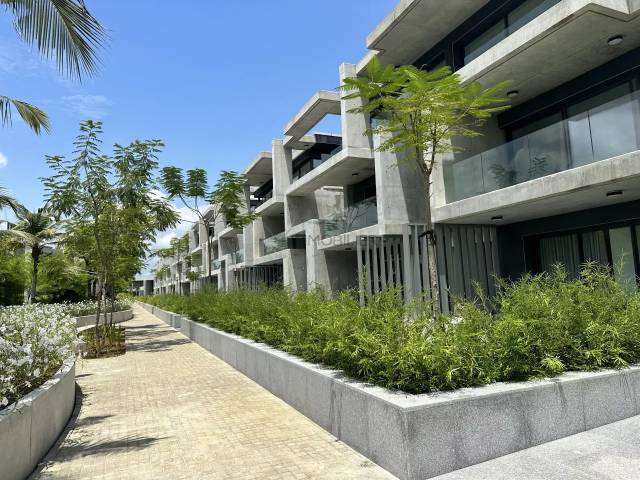
In urban areas such as Abidjan, Bouaké, and Yamoussoukro, homes often combine modern influences with African aesthetics. Apartment complexes and detached houses dominate the cityscape, frequently built with concrete, tiled roofs, and contemporary finishes. Security and privacy are major considerations in city living, with gated compounds, walled gardens, and ironwork on windows a common sight.
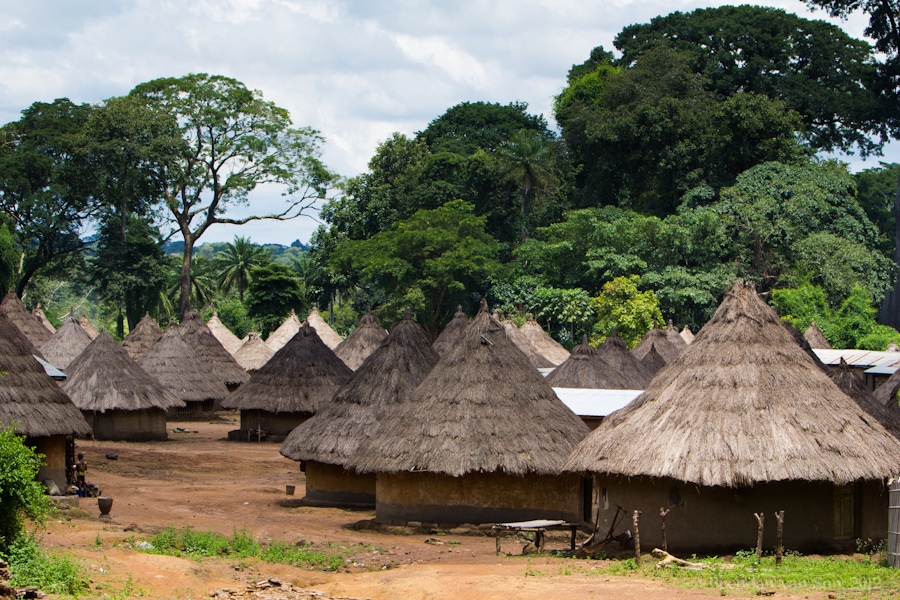
By contrast, rural homes embody more traditional architectural forms. Villages often feature family compounds made of clay, laterite, or mudbrick walls topped with thatched or corrugated iron roofs. These houses, typically grouped around communal courtyards, create spaces where generations of a family gather, cook, and share daily life. The courtyard acts as the heart of the home, accommodating everything from meal preparation to celebrations.
Architectural Styles and Influences
Ivorian architecture is a blend of indigenous building practices and colonial-era designs, now evolving with modern trends. The use of natural materials—earth, wood, and straw—remains prominent in rural settings, while urban areas see concrete and glass dominate construction. Notable features include broad verandas for shade, high ceilings to encourage airflow, and decorative ironwork that merges practicality with artistry.
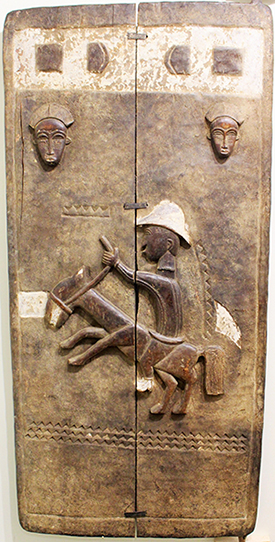
Traditional homes also differ between ethnic groups. For example, the Senoufo people in the north often build round mud huts with conical roofs, while Baoulé communities favour rectangular structures with intricate wooden doors and carved pillars. These designs are not only functional but carry symbolic meaning, often linked to ancestry, spirituality, or local customs.
How Ivorians Live and Entertain at Home
Hospitality is central to Ivorian life, and this extends into the home. Guests are welcomed warmly, with the living area or courtyard serving as the main space for entertaining. Meals—often centred around staples such as attiéké (cassava couscous) and grilled fish—are shared communally. Music and conversation flow easily, reflecting the social vibrancy of Ivorian culture.
Special occasions, including weddings, christenings, or harvest festivals, often transform homes into lively venues of celebration. In rural areas, extended families gather in courtyards with drumming, dancing, and feasting, while city dwellers might host elegant soirées indoors or on outdoor terraces.
Interior Design and Décor
Step inside an Ivorian home, and you’ll find a blend of practicality, cultural pride, and artistic expression. Furniture is often handmade, with wooden chairs, woven stools, and intricately carved tables showcasing local craftsmanship. Cane and raffia pieces are also popular, lending a rustic yet stylish touch to interiors.
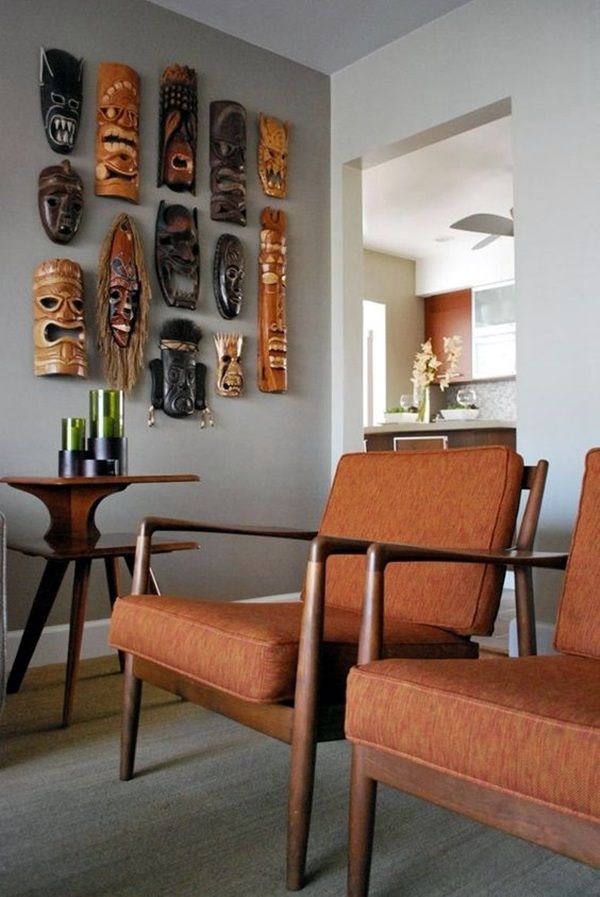
Walls may be adorned with colourful textiles, masks, and artworks reflecting Côte d’Ivoire’s rich artistic traditions. Baoulé and Guro masks, often used in ceremonies, are prized decorative items, while woven kente and indigo cloths add bursts of colour. Pottery, gourds, and calabash bowls are used both functionally and decoratively, linking the modern household with ancestral traditions.
In more contemporary homes, you’ll also find a fusion of styles—plush sofas, imported appliances, and minimalist décor paired with African prints and hand-carved sculptures. This mix of global and local reflects Côte d’Ivoire’s position as a country deeply rooted in tradition while embracing modern living.
A Distinctive Identity
What distinguishes Ivorian homes is the balance between community and individuality. Whether in a bustling city apartment or a quiet village compound, homes are not just shelters but hubs of connection, creativity, and cultural continuity. The architecture adapts to climate and environment, while the interiors speak to heritage, artistry, and a love of hospitality.
For visitors or those seeking inspiration in global décor, Côte d’Ivoire offers a striking lesson: a home is more than four walls.

