

Botswanan homes reflect far more than shelter—they tell stories of climate, community, heritage and modern aspiration. Across towns, cities and rural villages, Tswana domestic spaces balance tradition with contemporary living, creating homes that are welcoming, practical and deeply social. From classic courtyard layouts to sleek suburban villas, here’s a closer look at how people in Botswana live, host and decorate their spaces.
Traditional Tswana Architecture and Rural Homes
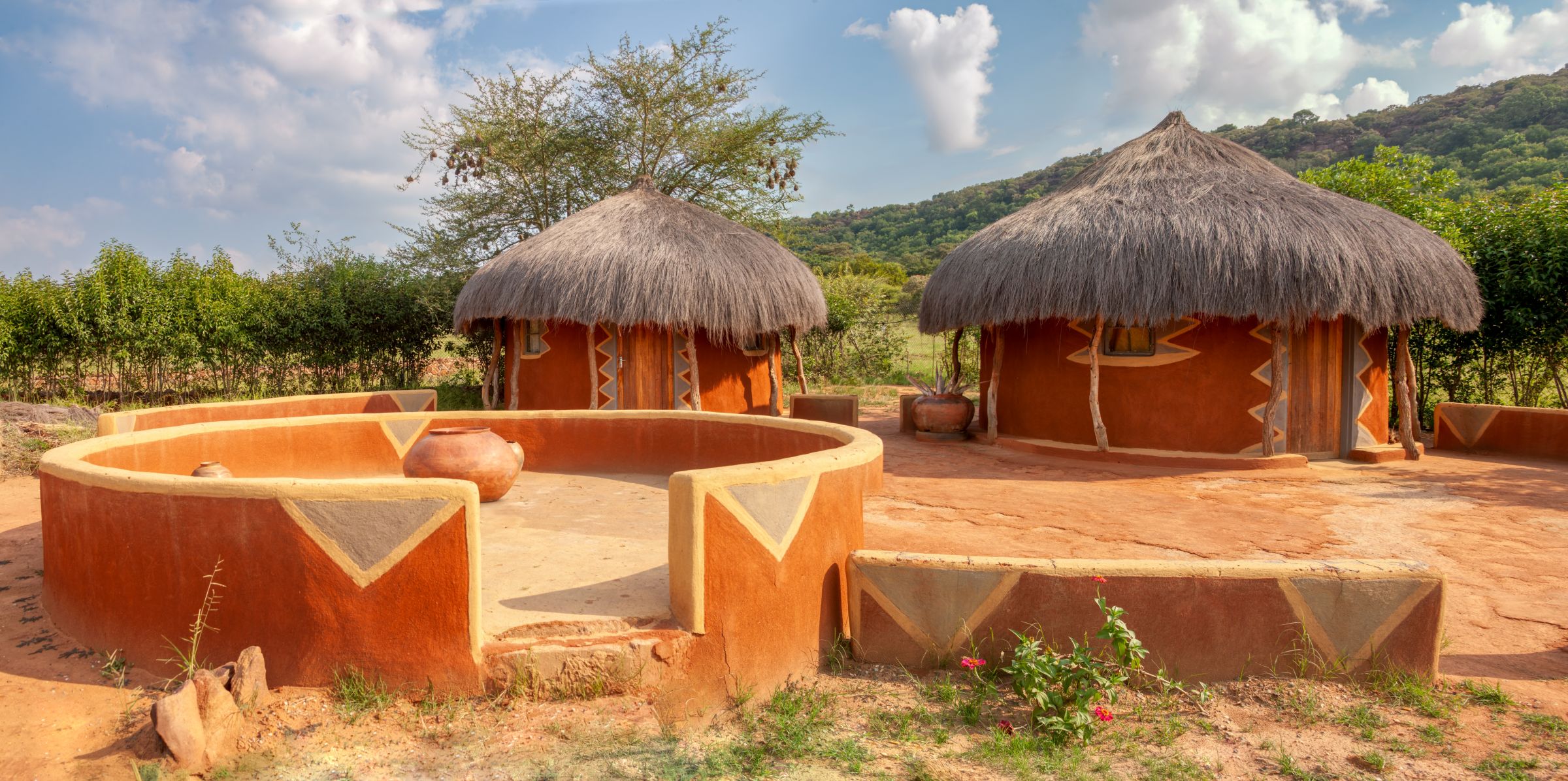
In rural areas, traditional homesteads remain common and culturally significant. These compounds often centre around an open courtyard, enclosed by several round or rectangular buildings made from earth, clay bricks or mud plastered over timber frames. Thatch roofs—crafted from grass reeds—help regulate interior temperatures, keeping homes cool during scorching summers and warm during cooler nights.
A key feature is the kgotla, a communal meeting space used for family discussions, storytelling and welcoming guests. Cooking areas are sometimes separate from sleeping quarters, with outdoor hearths still widely used for preparing staples such as seswaa (pounded meat) or maize meal.
Livestock kraals frequently sit nearby, reflecting the importance of cattle in Tswana culture. These rural homes are practical and adaptable, evolving over time as families expand or modern materials—such as corrugated iron roofing—are added.
Urban Living in Cities
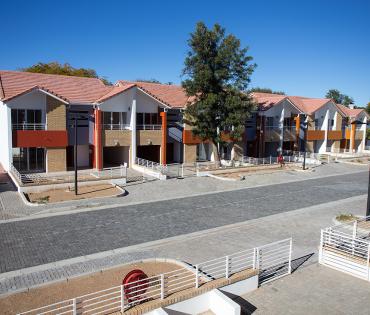
In cities and growing towns, architecture shifts towards modern brick homes, duplexes and gated-estate properties. These houses often feature tiled roofs, perimeter walls, landscaped gardens and shaded verandas designed for outdoor relaxation.
Open-plan kitchens and lounges are increasingly popular, reflecting global design trends, while security-conscious layouts—with motorised gates—are common in urban neighbourhoods.
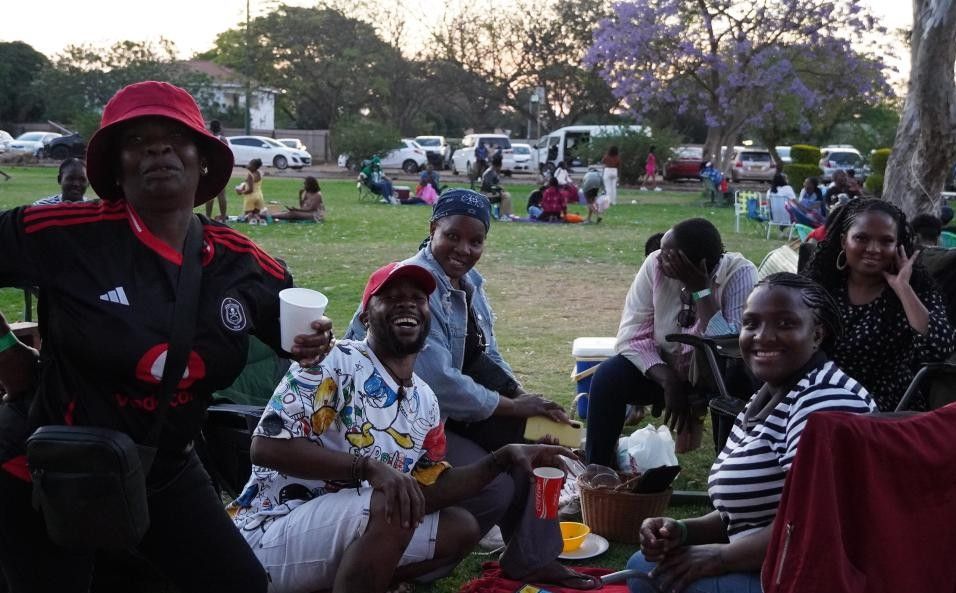
Entertaining is central to domestic life. Weekends often revolve around braais (barbecues), birthday gatherings or football watch-parties hosted in backyards or covered patios. Guests are welcomed generously, and it’s typical for homes to be arranged with multiple seating areas to accommodate extended family and friends.
Despite the modern look, many urban households preserve traditional elements—perhaps a clay pot in the corner, woven mats underfoot or carved wooden stools passed down through generations.
How Botswanans Entertain at Home
Hospitality runs deep in Tswana culture. Visitors are usually offered refreshments—tea, soft drinks or home-cooked snacks—soon after arrival. Larger gatherings spill outdoors, where shade trees, fire pits and garden furniture transform yards into social hubs.
Music, storytelling and conversation flow freely, while food plays the starring role. Shared platters, grilled meats and stews encourage communal dining rather than formal, plated meals. Homes are flexible spaces, easily rearranged to make room for celebrations, funerals or family meetings.
Interior Design in a Botswanan Home
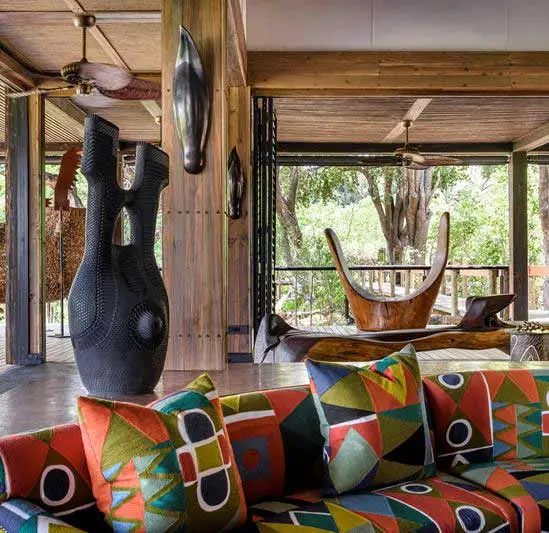
Step inside a Botswanan home and you’ll often find a warm mix of modern furniture and handcrafted décor. Sofas and coffee tables might sit alongside traditional wooden stools, low reed benches or animal-hide rugs.
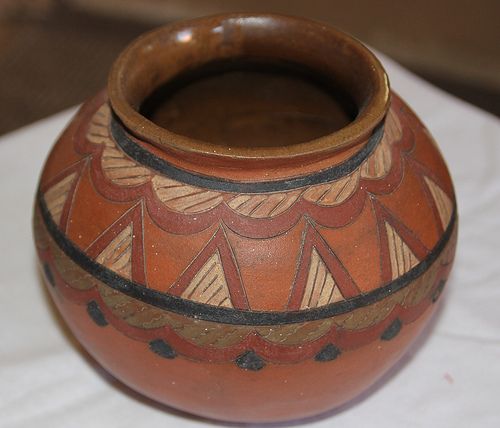
Walls are frequently decorated with woven baskets, beaded artworks or framed prints of wildlife and landscapes. Large clay vessels—once used for storing grain or water—now double as statement pieces in living rooms and entryways.
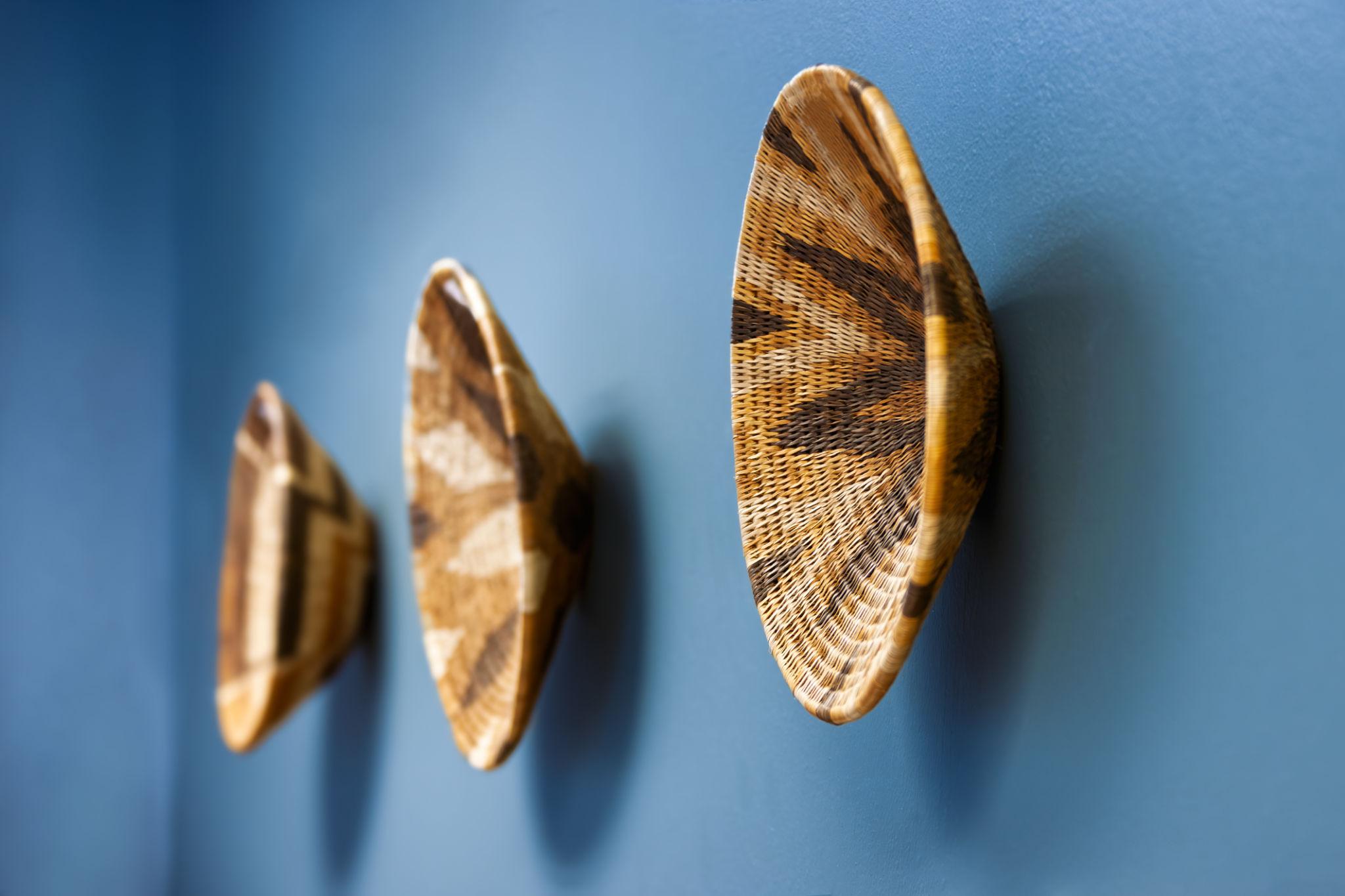
Natural materials dominate: leather, timber, reed and ceramics bring texture and earthy tones to interiors. Neutral colour palettes—sand, ochre, charcoal and terracotta—echo the surrounding Kalahari landscape, while patterned cushions or throws introduce vibrant pops of colour.
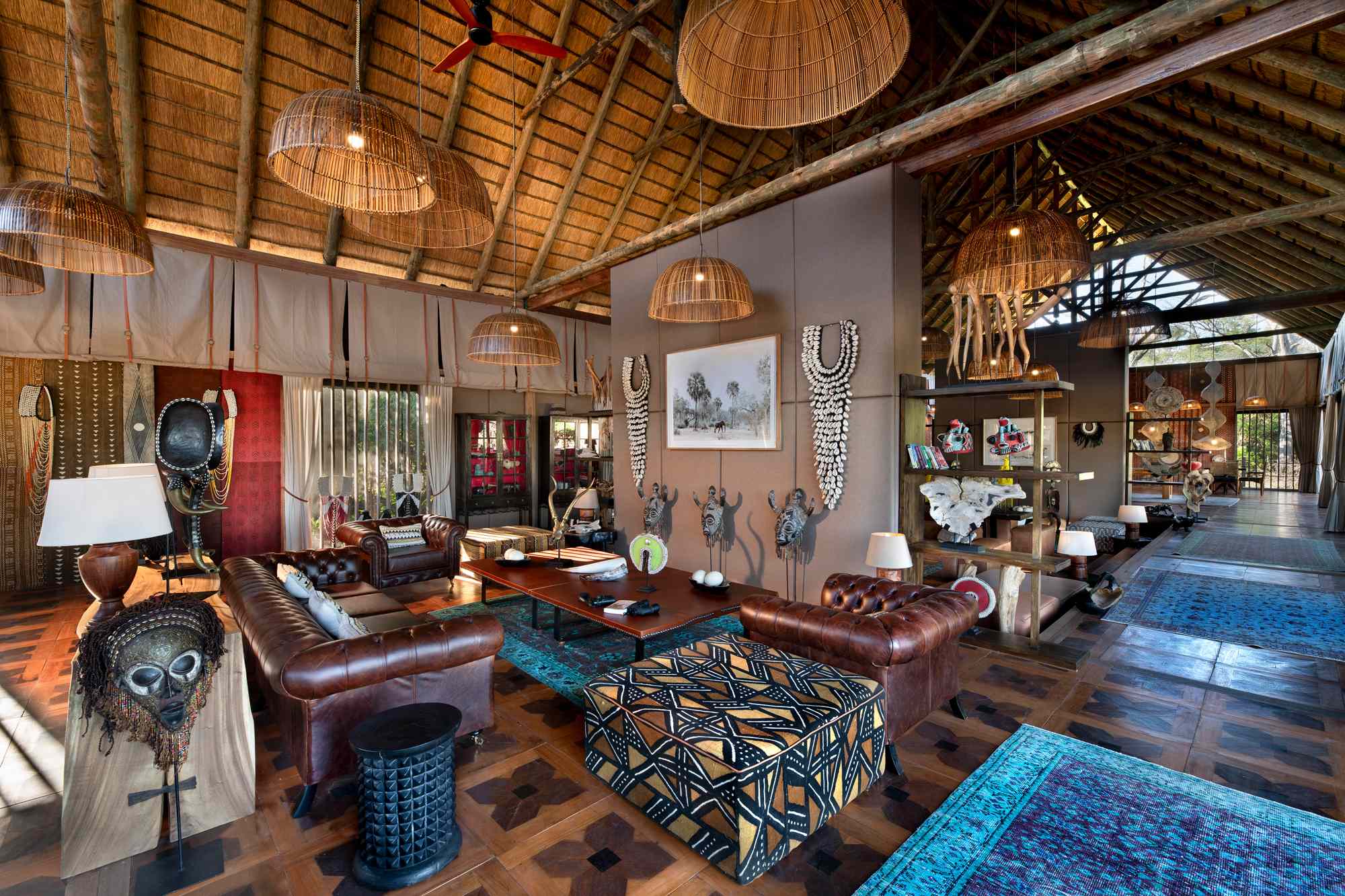
In many households, display cabinets showcase treasured items: family heirlooms, trophies from cattle shows, or souvenirs collected during travels around the region.
A Home Rooted in Culture and Community
Whether in a rural compound or a contemporary city residence, Botswanan homes are built around togetherness. Architecture adapts to climate, interiors celebrate craftsmanship, and living spaces prioritise hospitality and connection.
For travellers or design enthusiasts, exploring domestic life in Botswana offers valuable insight into a society where tradition and modernity coexist beautifully—one courtyard, veranda and woven basket at a time.

