

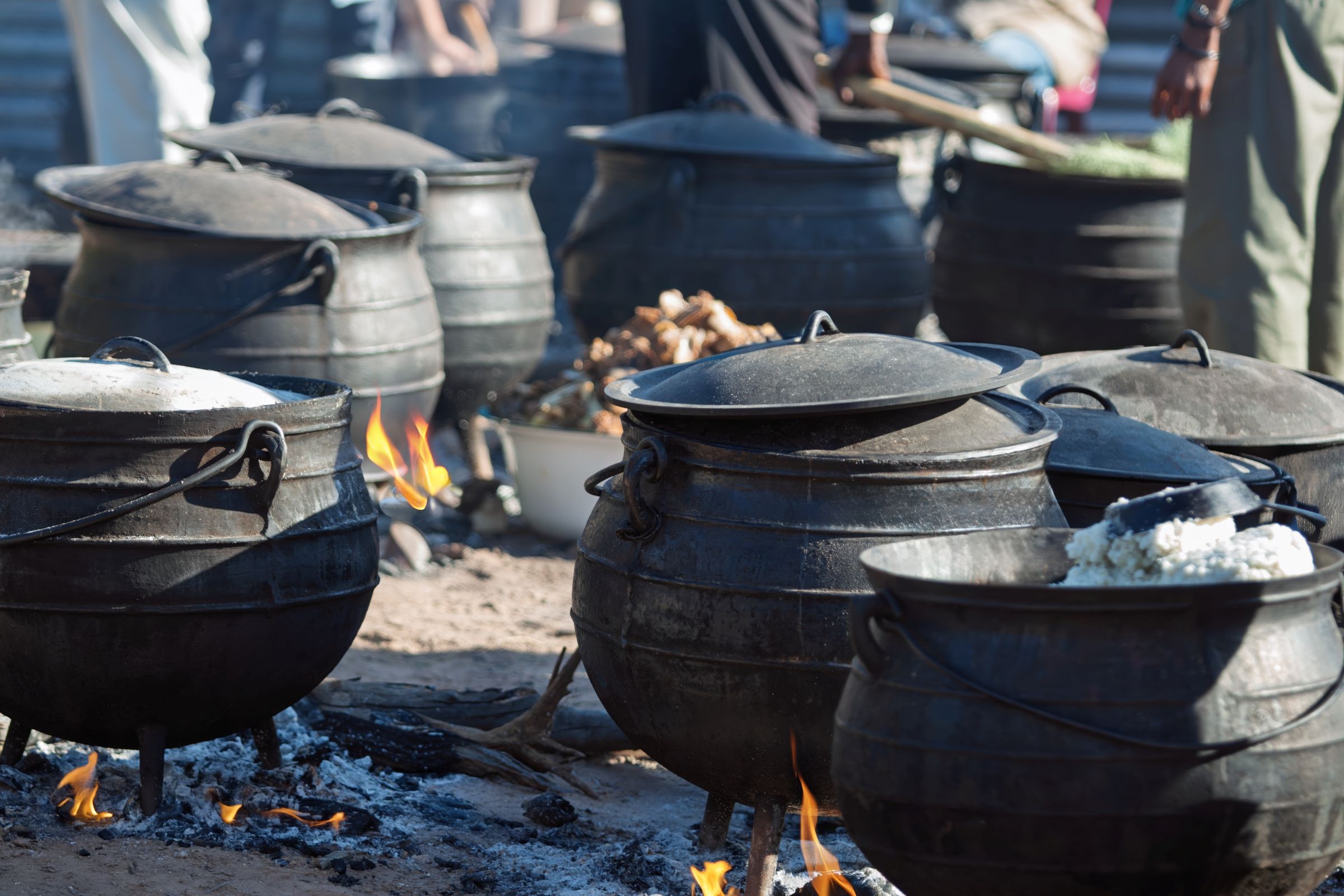
Botswanan cuisine is a warm, earthy and comforting expression of the country’s culture and landscapes. Botswana’s food is grounded in slow cooking, communal dining and the clever use of local ingredients such as sorghum, maize, beef and wild greens. For global food lovers looking to expand their palate, Botswanan dishes offer a delicious blend of rustic authenticity and surprising depth.
A Cuisine Rooted in Tradition
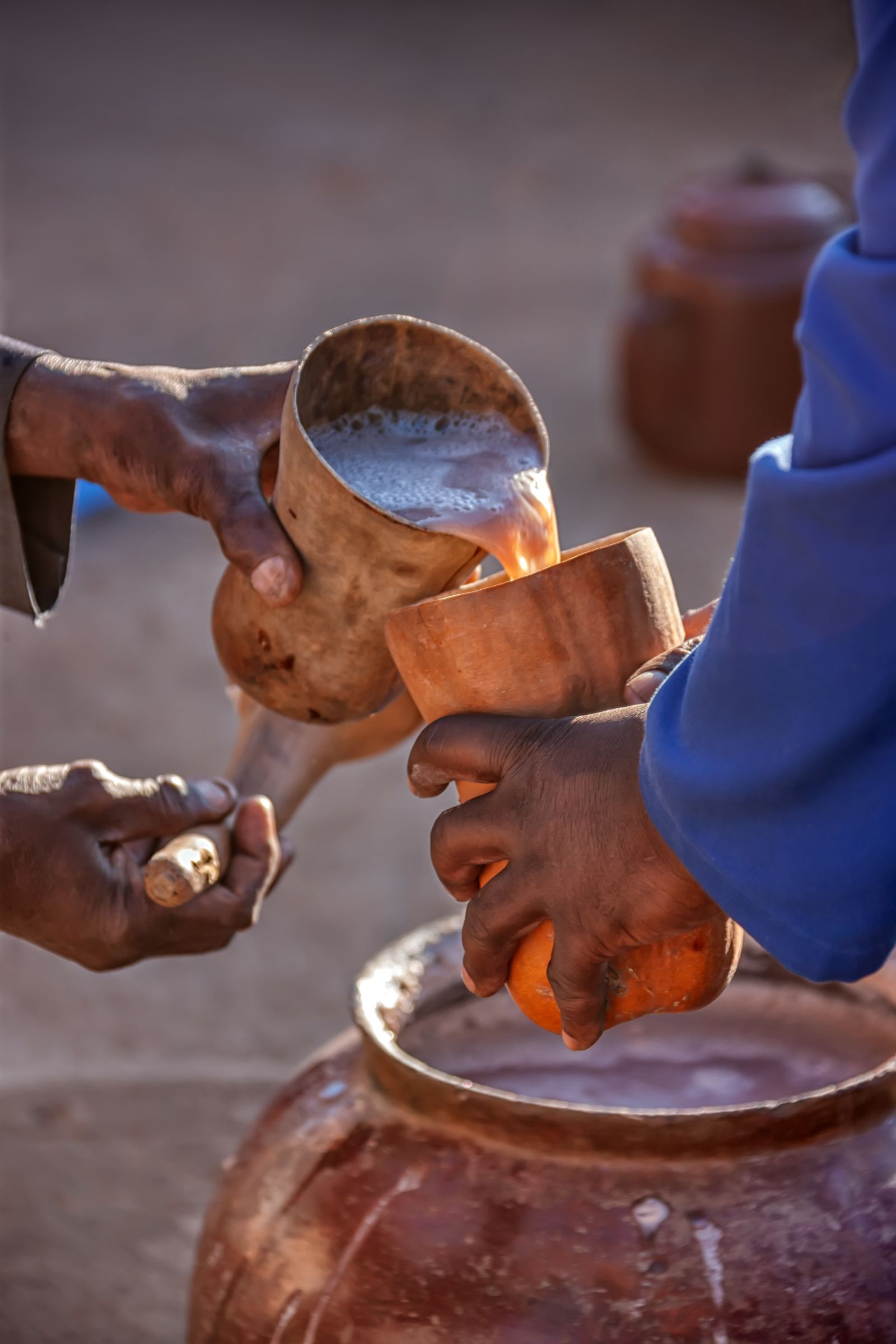
At its core, Botswanan food reflects the rhythms of everyday life—harvest seasons, celebrations, family gatherings and a strong cattle-rearing culture. Botswana is known for having one of the highest per-capita beef consumptions in the world, and its cattle are prized for their quality. This love of beef weaves into many of the country’s most beloved dishes.
Sorghum and maize are the backbone of the cuisine, providing the starch for hearty porridge dishes that pair beautifully with stews and relishes. Meanwhile, traditional cooking methods such as slow simmering over an open fire enhance the flavours and create an unmistakable homely depth.
Dikgobe: A Wholesome Classic
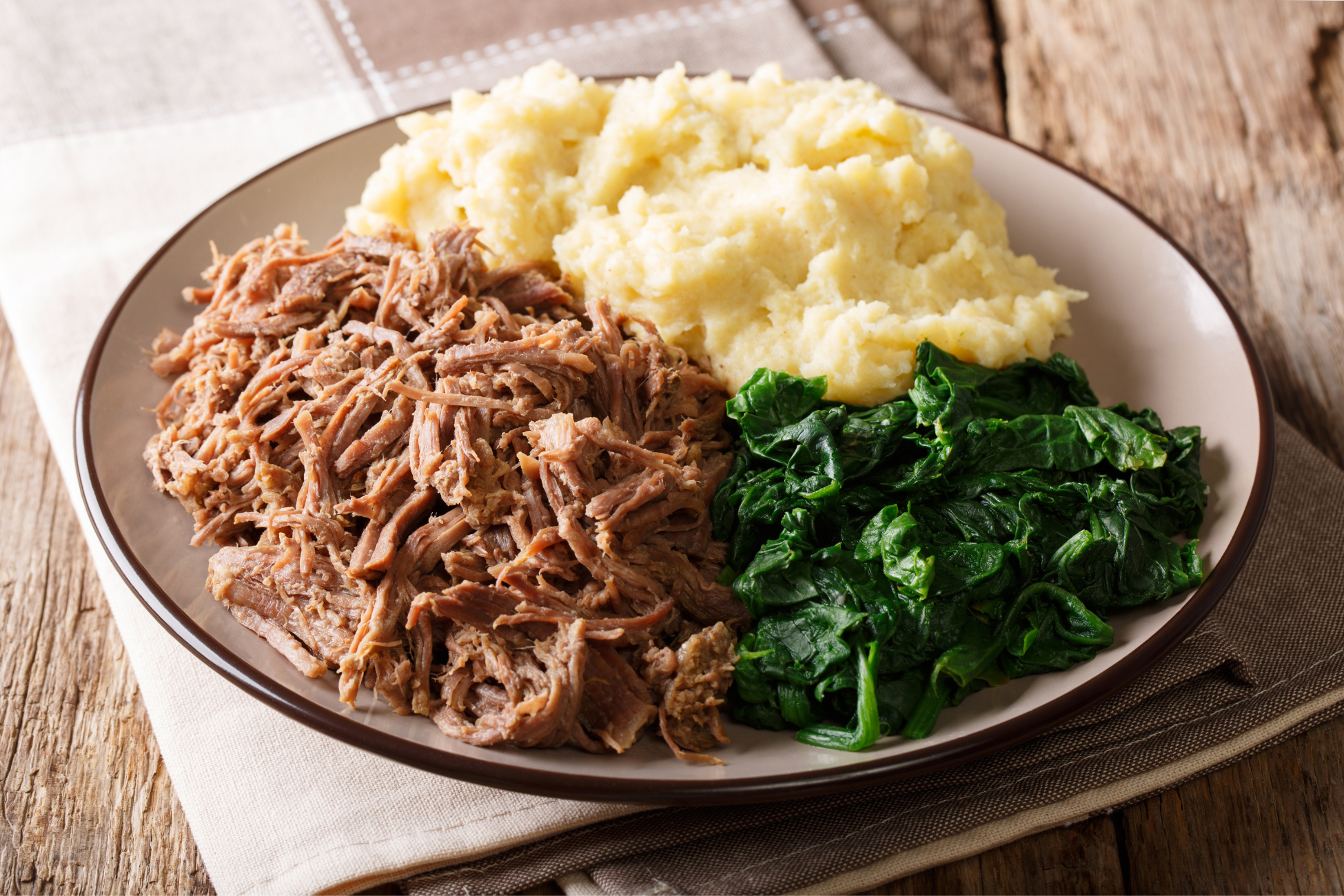
One of the most popular and comforting dishes in Botswana is Dikgobe—a nourishing mix of beans, samp and lentils. Packed with protein and fibre, it is often served during celebrations, weddings and family milestones. Its simplicity belies its cultural significance: Dikgobe symbolises togetherness, abundance and the harmony of Botswana’s diverse communities. For visitors, it offers an easy introduction to Botswanan home cooking.
Seswaa: Botswana’s National Dish
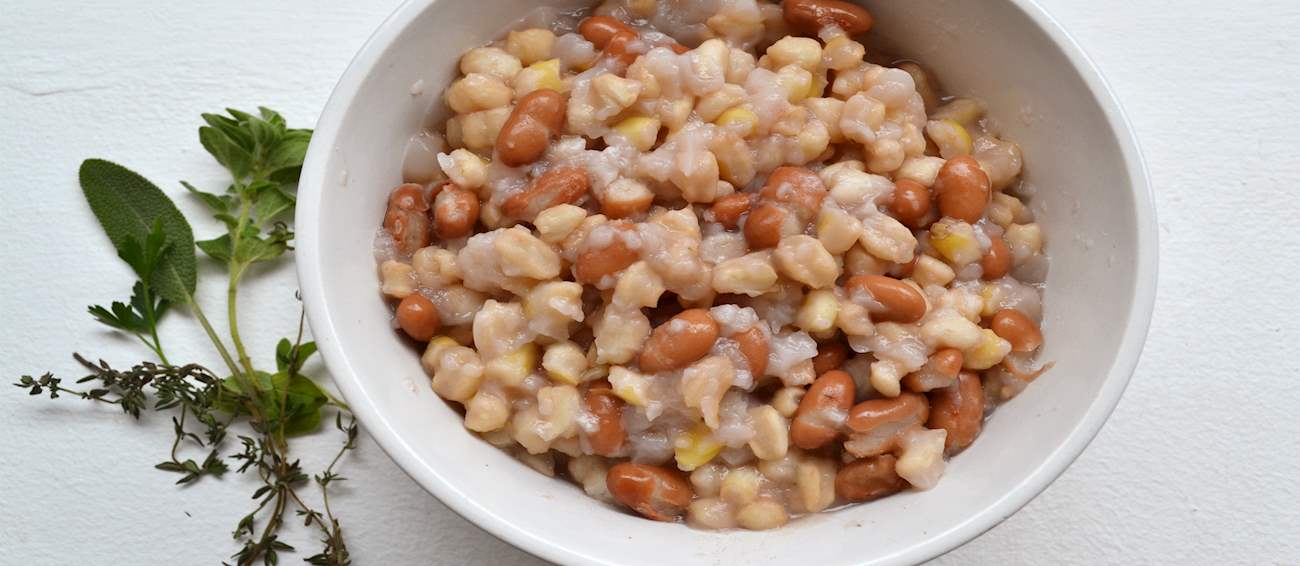
If there is one dish you cannot leave Botswana without trying, it is Seswaa. This slow-cooked shredded beef (or sometimes goat or lamb) is traditionally prepared in a three-legged pot over an open fire. The meat is cooked until incredibly tender, seasoned with just salt and occasionally onion. When paired with pap and a side of morogo (wild spinach), it becomes a wholesome, quintessentially Botswanan meal.
Seswaa’s beauty lies in its simplicity—no heavy spices, just deep, slow-developed flavour. It is a staple at weddings, community gatherings and national events.
Morogo: Nature’s Green Gift
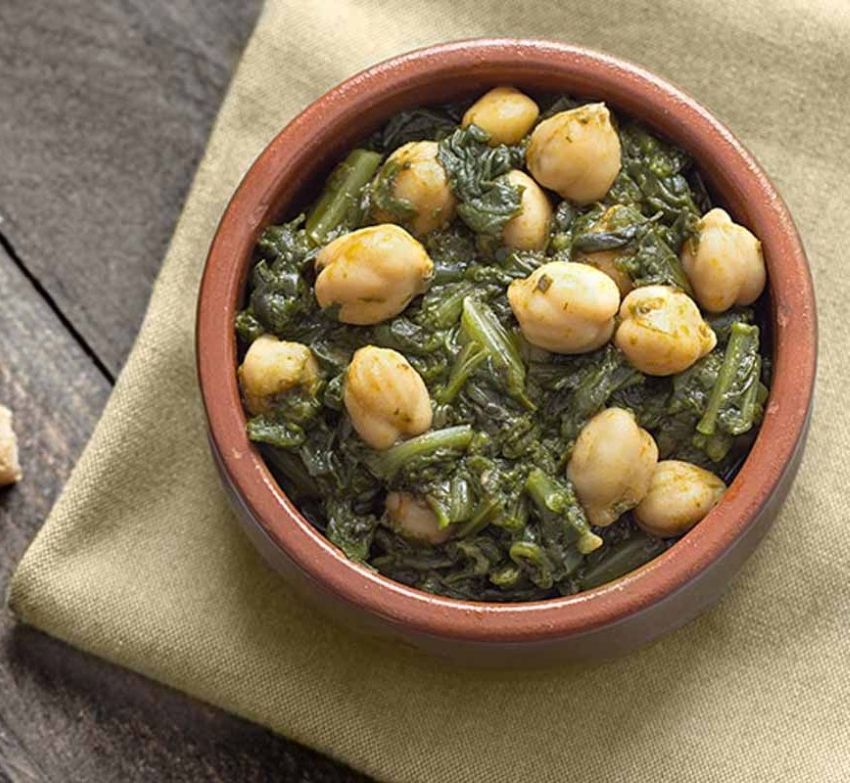
Morogo, meaning “wild greens,” refers to a variety of leafy vegetables harvested from Botswana’s fields and riverbanks. The most common types include cowpea leaves, amaranth and pumpkin leaves. They are boiled, lightly seasoned and sometimes cooked with onion or peanut flour to create a rich, earthy relish.
For health-conscious food lovers, morogo is a nutrient powerhouse—packed with iron, vitamins and antioxidants. It is often enjoyed as a side dish with porridge or meat and provides a fresh, balanced contrast to richer mains.
Bogobe: The Comforting Staple
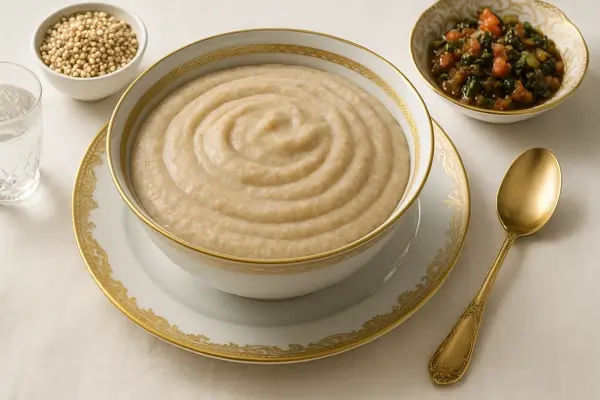
Similar to pap but typically made from sorghum, Bogobe is a thick porridge that ranges from firm to soft depending on the occasion. Bogobe ya lerotse, a sweet version cooked with a local melon, is especially beloved for its fragrant aroma and subtle sweetness. It is commonly served at breakfast or as an accompaniment to stews and relishes.
Vetkoek: A Southern African Favourite
Botswana’s version of vetkoek, a golden deep-fried bread, is a crowd-pleaser across Southern Africa. Crispy on the outside and fluffy within, it can be enjoyed plain, filled with minced meat or paired with jam. It is the perfect street-food snack for travellers exploring local markets.

Trying Botswanan Cuisine At Home
While many of these dishes are traditionally home-cooked, Botswanan cuisine is increasingly appearing in restaurants across Africa and in select international eateries. Food festivals, pop-up events and diaspora-run cafés also offer opportunities to sample these comforting flavours. For adventurous home cooks, most ingredients—such as sorghum, beans, beef and wild spinach alternatives—are easy to source globally.
Botswanan cuisine is hearty, soulful and deeply connected to community. For global foodies seeking a new culinary adventure, Botswana’s flavours are warm, welcoming and unforgettable.

