

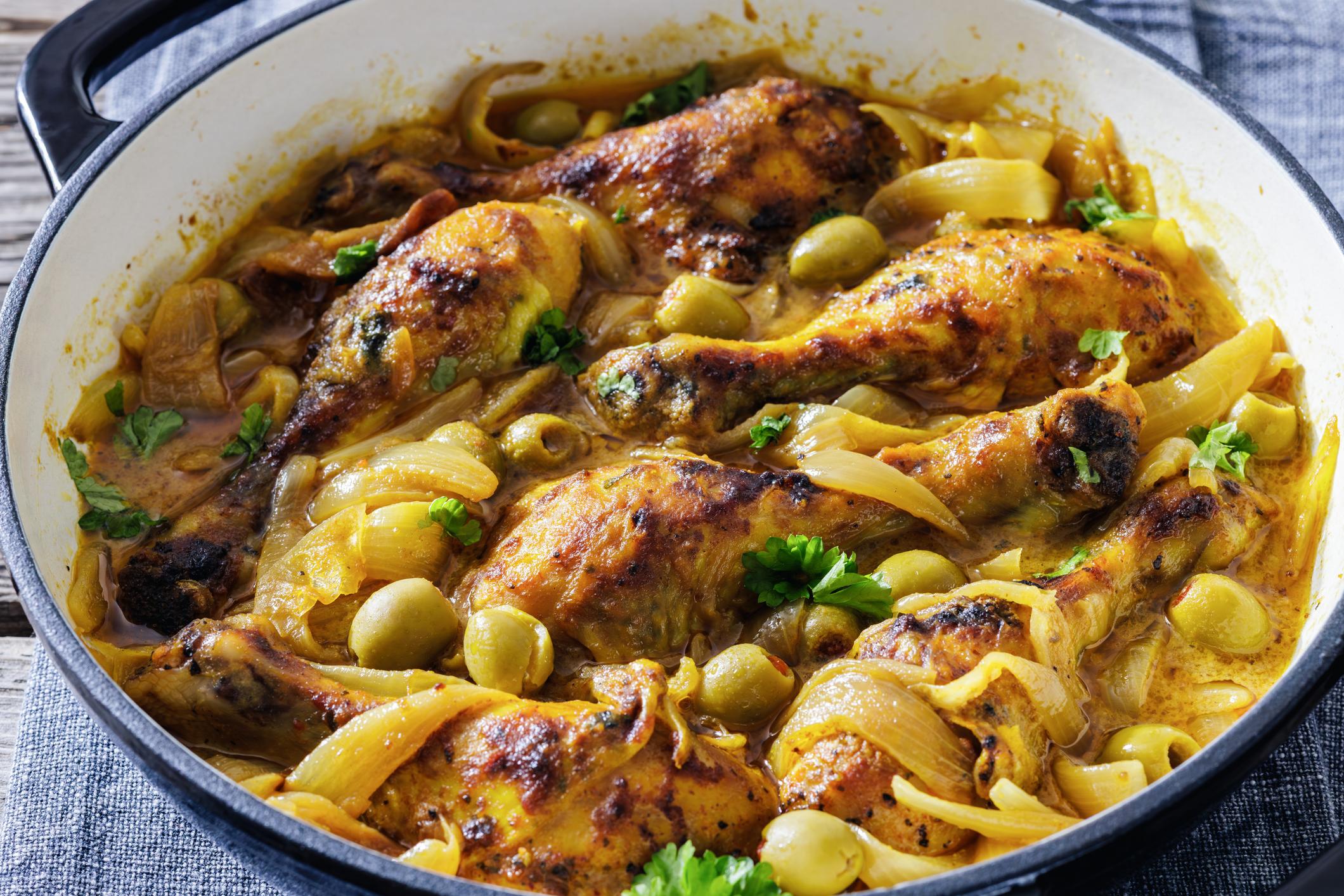
If you are looking to explore West African flavours from your own kitchen, Poulet Yassa – also known as Chicken Yassa – is the perfect place to start. This much-loved Senegalese dish combines tender chicken, caramelised onions, mustard and bright citrus for a deeply savoury, slightly tangy meal that feels both comforting and vibrant.
Originating in the Casamance region of southern Senegal, Poulet Yassa has become one of the country’s national dishes. Today, you will find it served at family gatherings, street food stalls and celebratory feasts across Dakar and beyond. Its bold yet balanced flavour profile has also made it a global favourite among home cooks keen to recreate authentic West African cuisine.
The History Behind Poulet Yassa
The word “yassa” refers to a style of cooking in which meat or fish is marinated in lemon juice and onions before being grilled or braised. While chicken is the most common protein used today, fish yassa (often made with whole grilled fish) is also traditional in coastal communities.
The dish reflects Senegal’s culinary identity: simple ingredients transformed through technique and patience. Citrus juice tenderises the meat, mustard adds depth, and slowly cooked onions create a naturally sweet base. The result is a sauce that is rich without being heavy – ideal for warm climates and communal dining.
Poulet Yassa Recipe (Serves 4)
Ingredients
- 1 whole chicken, cut into pieces (or 8 chicken thighs)
- 4 large onions, thinly sliced
- 3 cloves garlic, minced
- Juice of 2–3 lemons
- 2 tbsp Dijon mustard
- 2 tbsp neutral oil (such as sunflower oil)
- 1–2 fresh chillies (optional)
- 1 bay leaf
- Salt and black pepper to taste
- 250ml chicken stock or water
- Cooked white rice, to serve
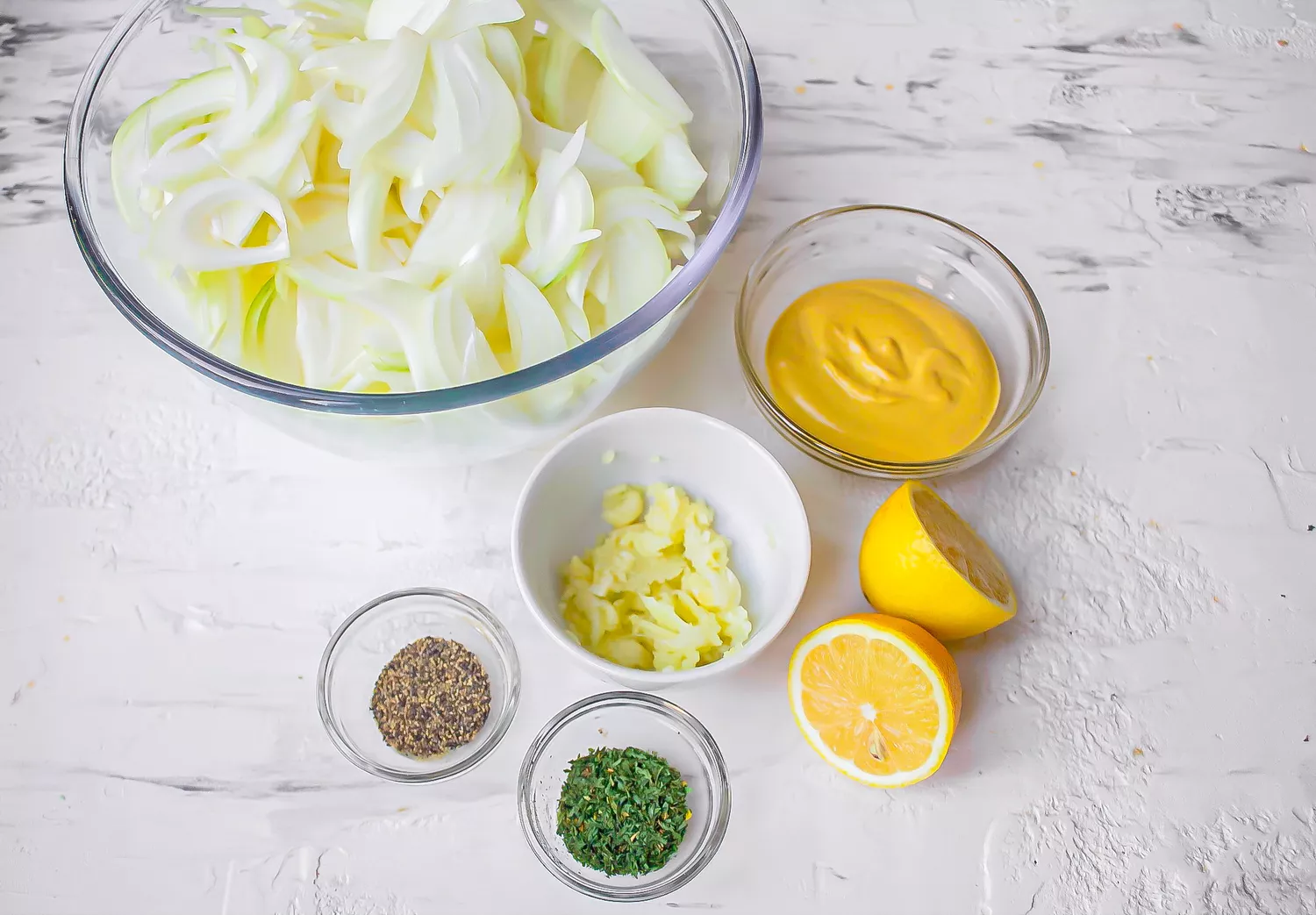
Step 1: Marinate the Chicken
In a large bowl, combine the sliced onions, garlic, lemon juice, mustard, salt and pepper. Add the chicken pieces and coat thoroughly. Cover and refrigerate for at least 4 hours, ideally overnight.
This long marinade is essential for authentic flavour. The acidity gently tenderises the chicken while the onions begin to soften and absorb the citrus.
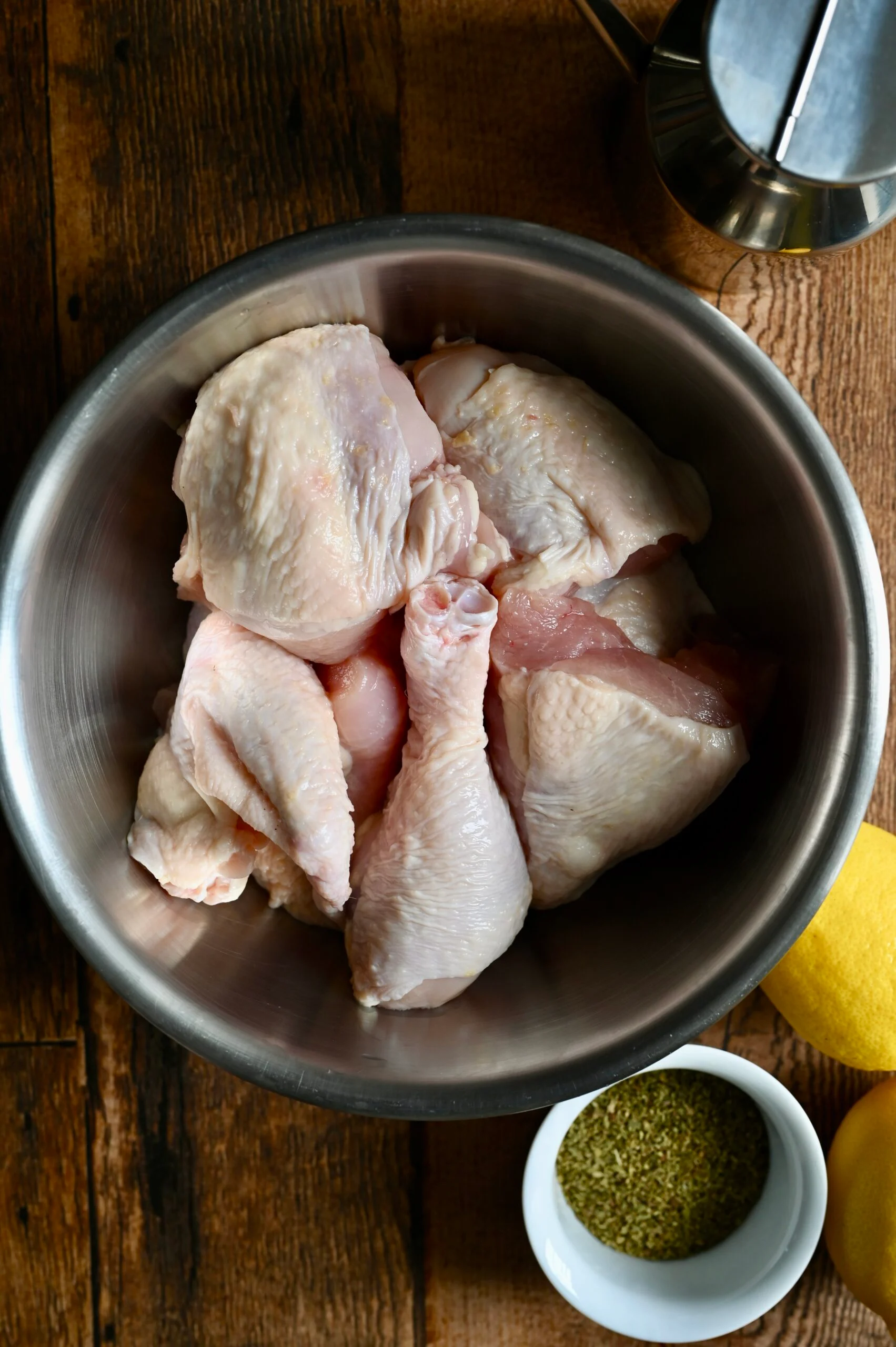
Step 2: Brown the Chicken
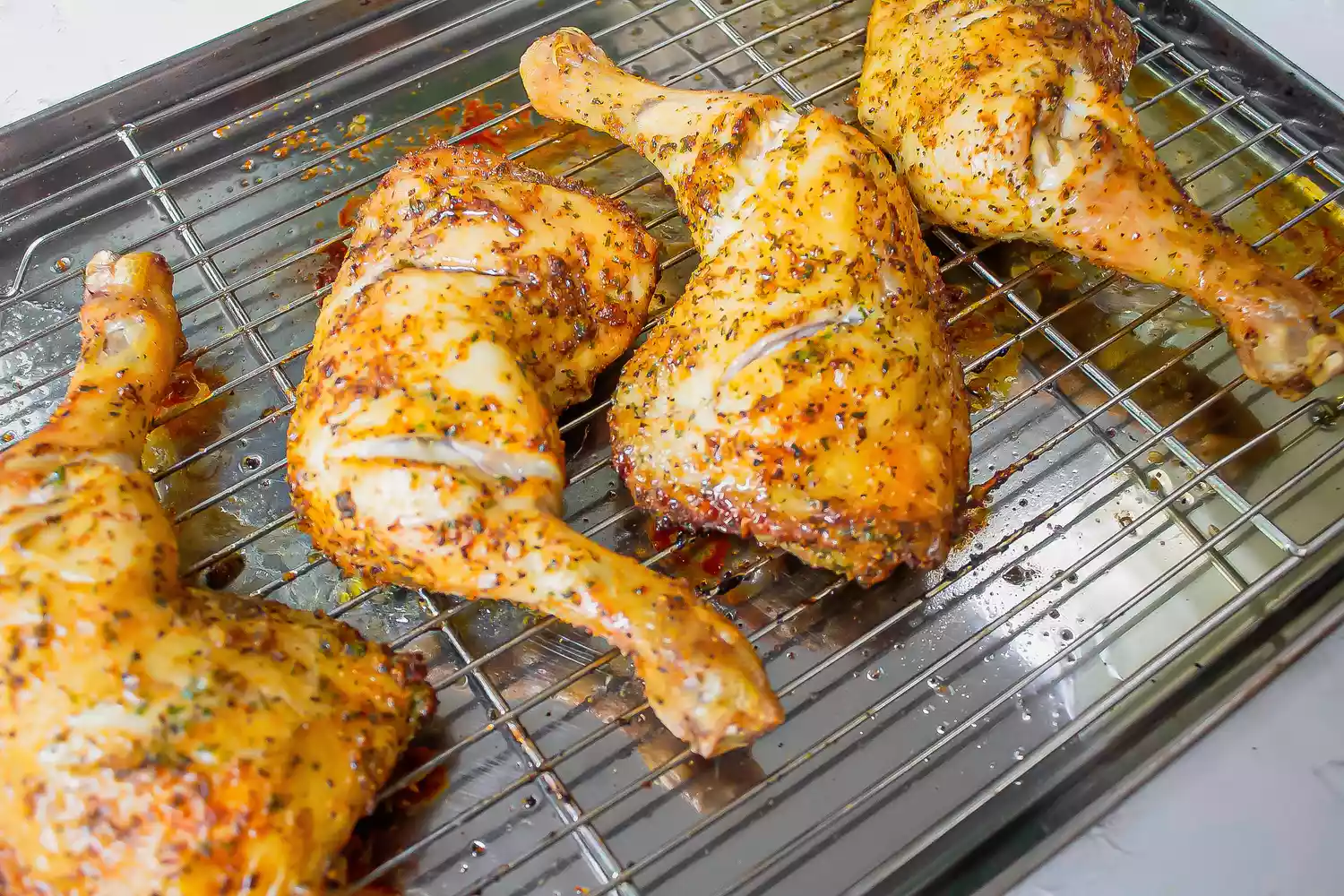
Remove the chicken from the marinade, reserving the onions and liquid. Pat the chicken dry and brown it in a large pan with oil over medium heat. You can also grill the chicken for a lightly smoky flavour, which is traditional in many Senegalese households.
Once browned on both sides, set aside.
Step 3: Caramelise the Onions
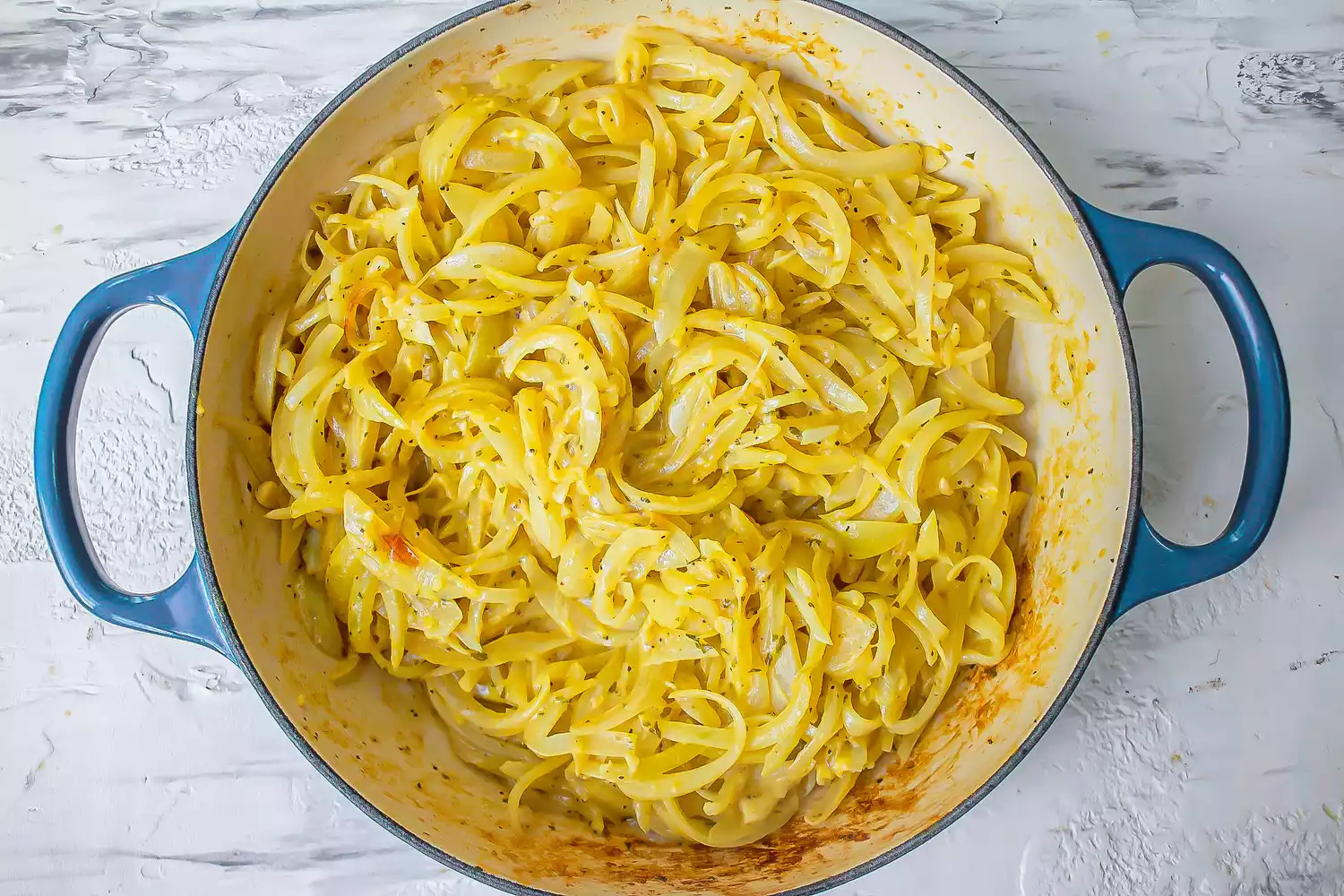
In the same pan, add the marinated onions and cook slowly over medium-low heat. Stir frequently for 15–20 minutes until they become soft, golden and slightly caramelised. This step builds the signature sweetness of Poulet Yassa.
Add the bay leaf and chilli (if using).
Step 4: Simmer
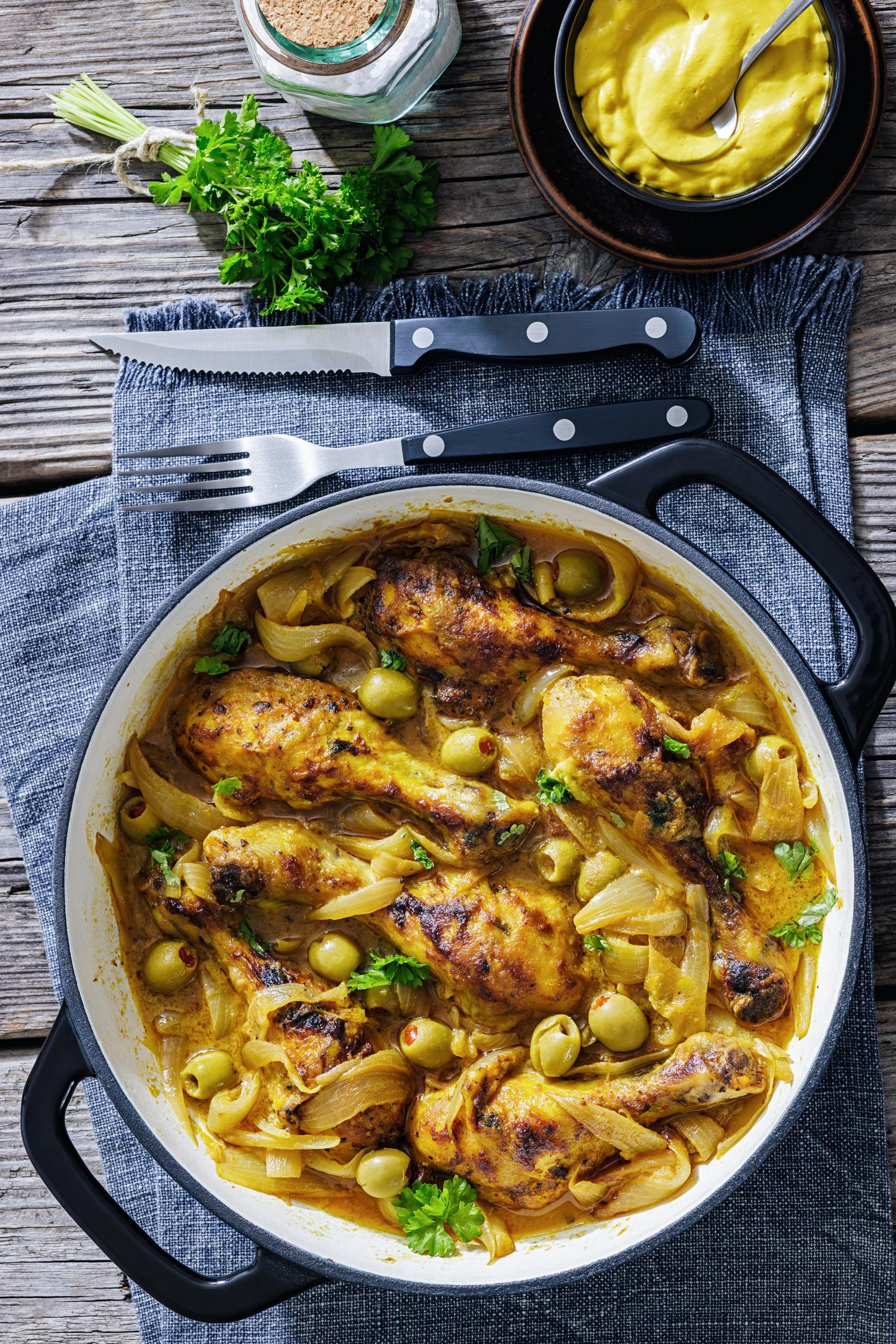
Return the chicken to the pan and pour in the remaining marinade along with the stock. Cover and simmer gently for 30–40 minutes, until the chicken is tender and cooked through.
Taste and adjust seasoning. The sauce should be tangy, savoury and slightly sweet from the onions.
How to Serve Poulet Yassa
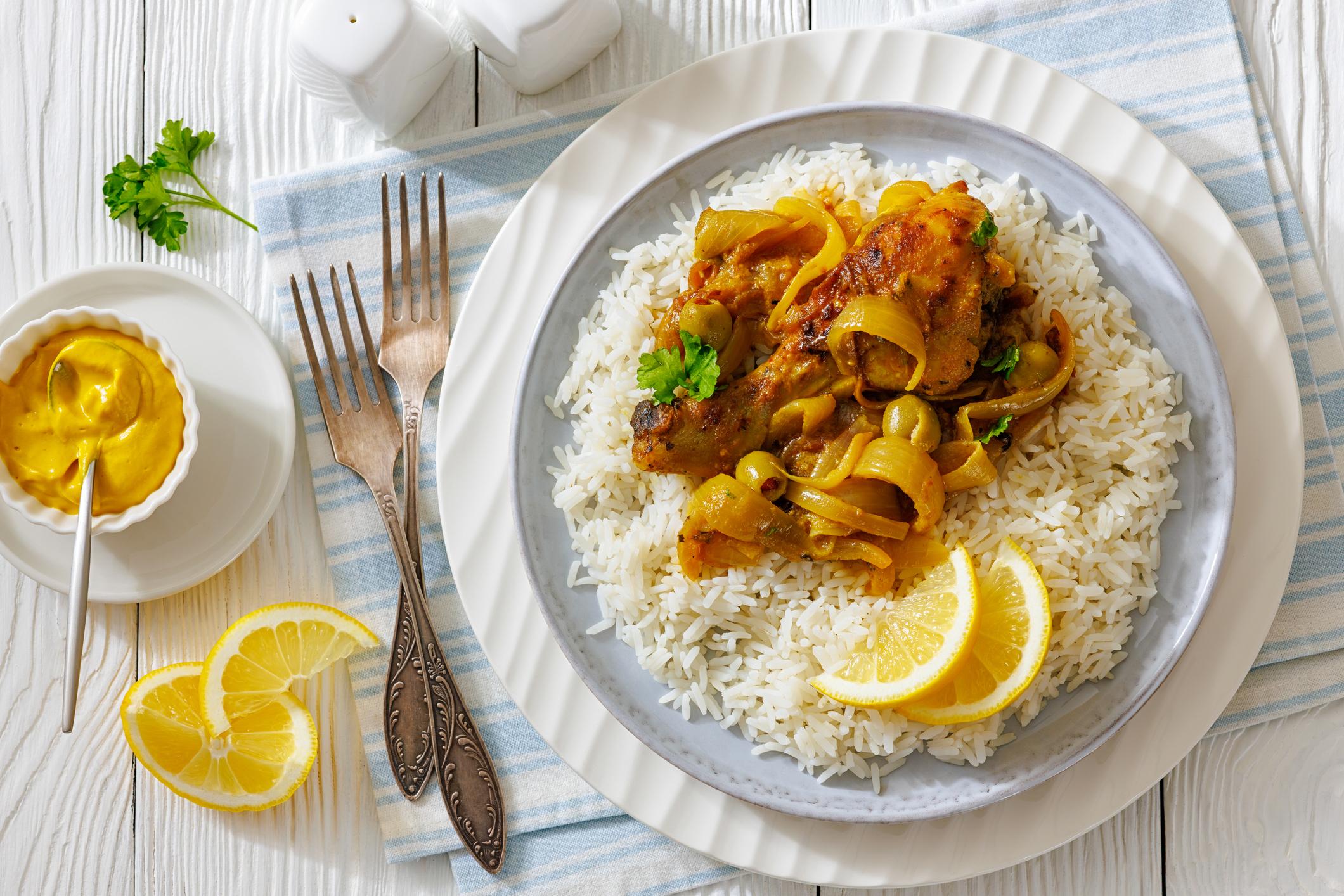
Poulet Yassa is traditionally served with fluffy white rice, which soaks up the vibrant onion sauce. Some households also serve it with couscous or crusty bread. A simple side salad of tomatoes and cucumber balances the richness beautifully.
Variations to Try
- Fish Yassa: Replace chicken with whole grilled fish for a coastal twist.
- Lamb Yassa: A richer variation popular in some West African communities.
- Spicy Yassa: Add Scotch bonnet chillies for extra heat.
- Vegetarian Yassa: Use roasted aubergine or tofu in place of chicken for a plant-based version.
Why Poulet Yassa Works So Well
What makes Poulet Yassa so appealing globally is its accessibility. The ingredients are easy to source, yet the flavour feels distinctive and layered. It is also an excellent make-ahead dish – in fact, it tastes even better the next day as the flavours deepen.
For anyone exploring Senegalese food or West African recipes at home, Poulet Yassa offers a delicious introduction. It is proof that with a handful of pantry staples and a little patience, you can bring the warmth of Senegalese cooking to your own table.

