


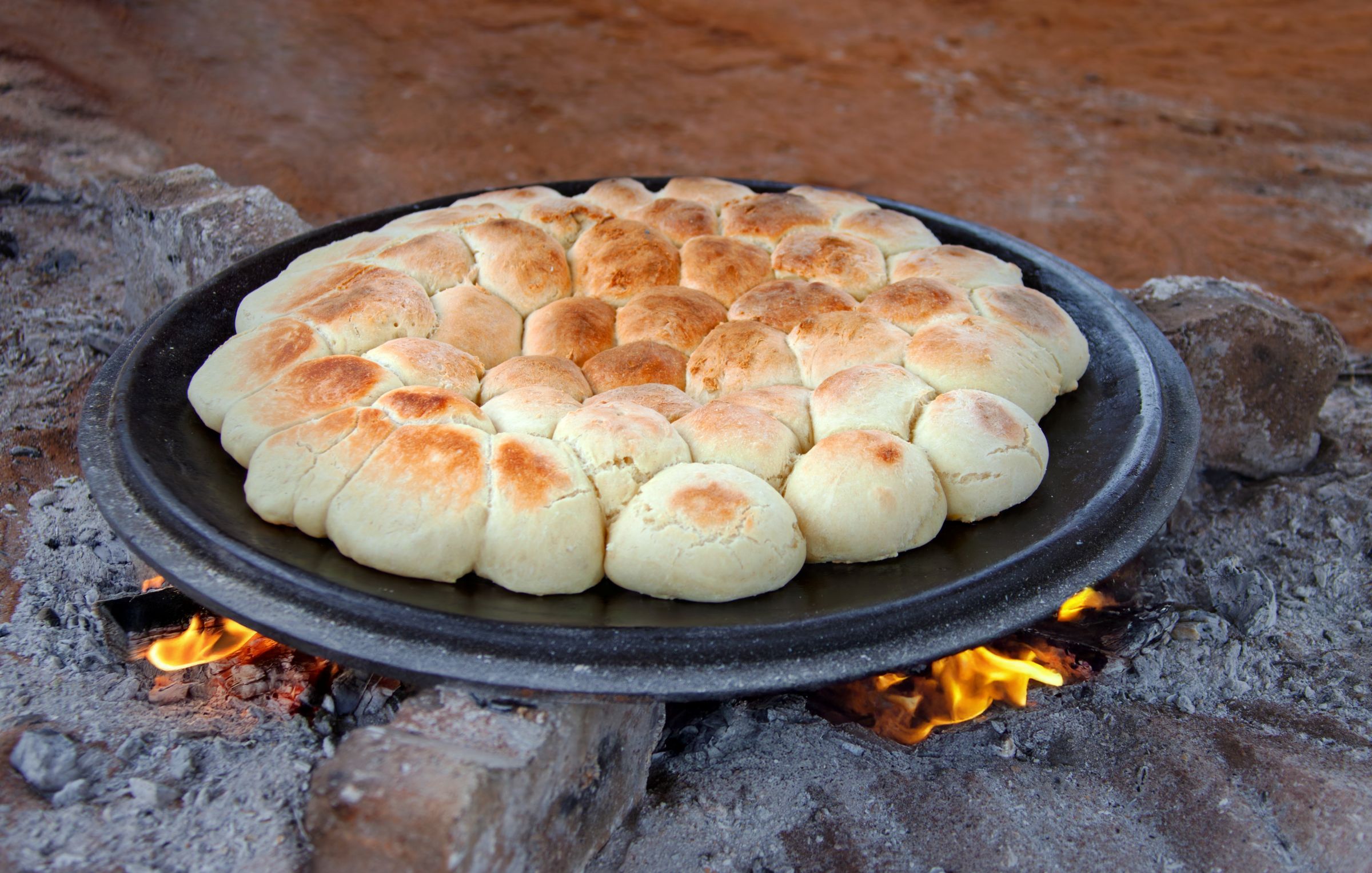
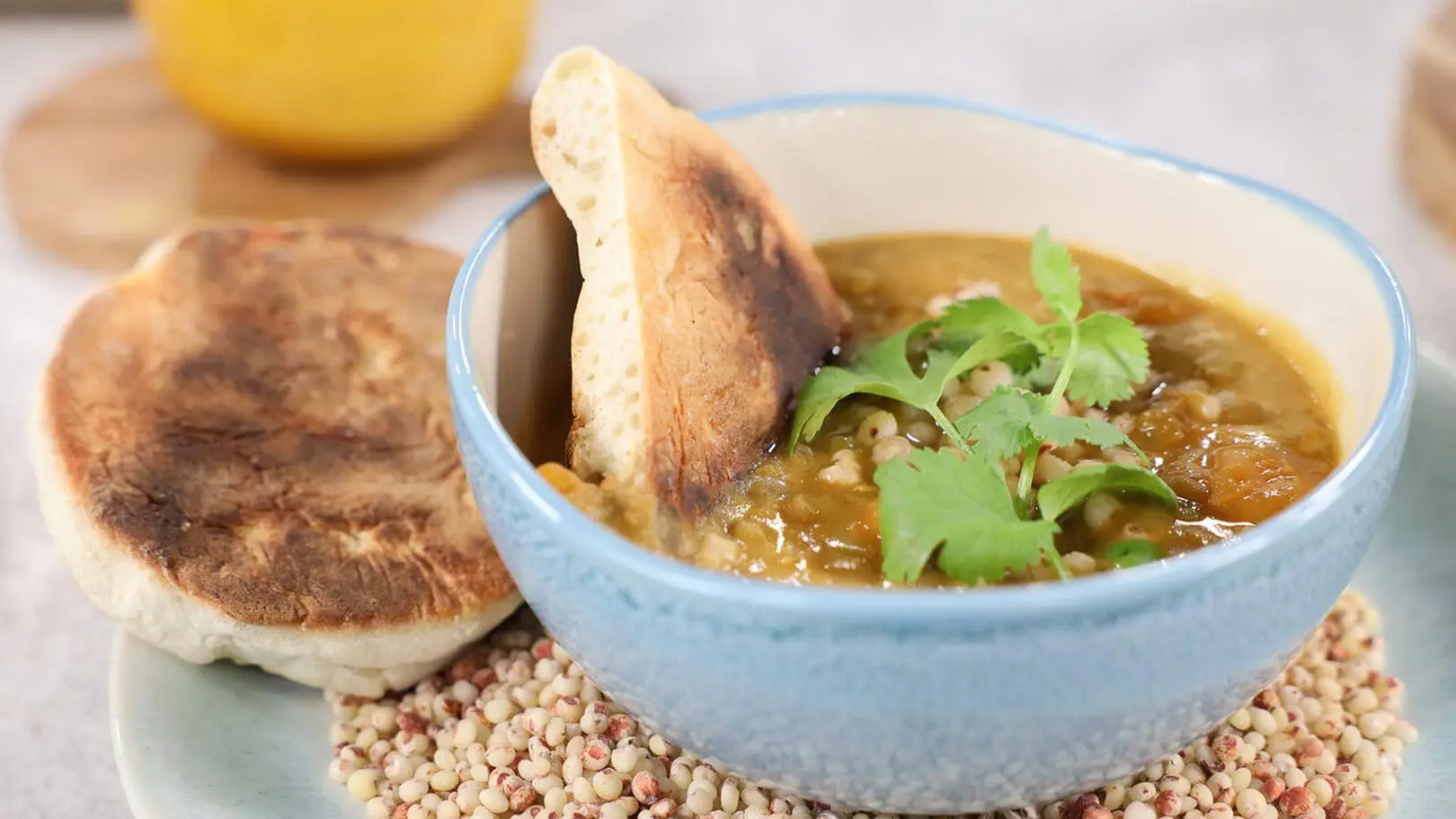
Diphaphatha is one of Botswana’s most comforting and understated traditional foods. Often described as a steamed bread or dumpling, diphaphatha is soft, filling and deeply connected to everyday Tswana life. While it may not be as internationally recognised as some African dishes, this humble staple offers an accessible and rewarding introduction to Botswanan cuisine for home cooks around the world.
Made from simple pantry ingredients and cooked gently over steam, diphaphatha reflects Botswana’s culinary philosophy: nourishing food prepared with care, shared communally and enjoyed alongside flavourful accompaniments.
The Origins of Diphaphatha
Diphaphatha has its roots in rural Botswana, where steaming was a practical cooking method that conserved fuel and allowed food to be prepared slowly while households tended to daily tasks. Traditionally cooked in a three-legged cast-iron pot over an open fire, diphaphatha was often prepared for family meals, celebrations and gatherings.
The dish is closely related to other southern African steamed breads and dumplings, but Botswana’s version is typically denser and less sweet, designed to be eaten with savoury stews rather than on its own – although that is common too. Today, diphaphatha remains popular in both rural villages and urban homes, prized for its simplicity and versatility.
What Does Diphaphatha Taste Like?
Diphaphatha has a mild, slightly earthy flavour with a soft yet sturdy texture. Think of it as somewhere between a bread roll and a dumpling. Its neutral taste makes it the perfect vehicle for breakfast or even rich, slow-cooked dishes such as beef stew (seswaa), chicken, leafy greens or bean-based sauces.
How to Make Botswanan Diphaphatha at Home
This recipe is adapted for a modern kitchen while staying true to traditional methods.
Ingredients (serves 4–6)
- 3 cups plain flour
- 1½ teaspoons baking powder
- ½ teaspoon salt
- 1½ cups warm water (adjust as needed)
- 1 tablespoon vegetable oil (optional)
Method
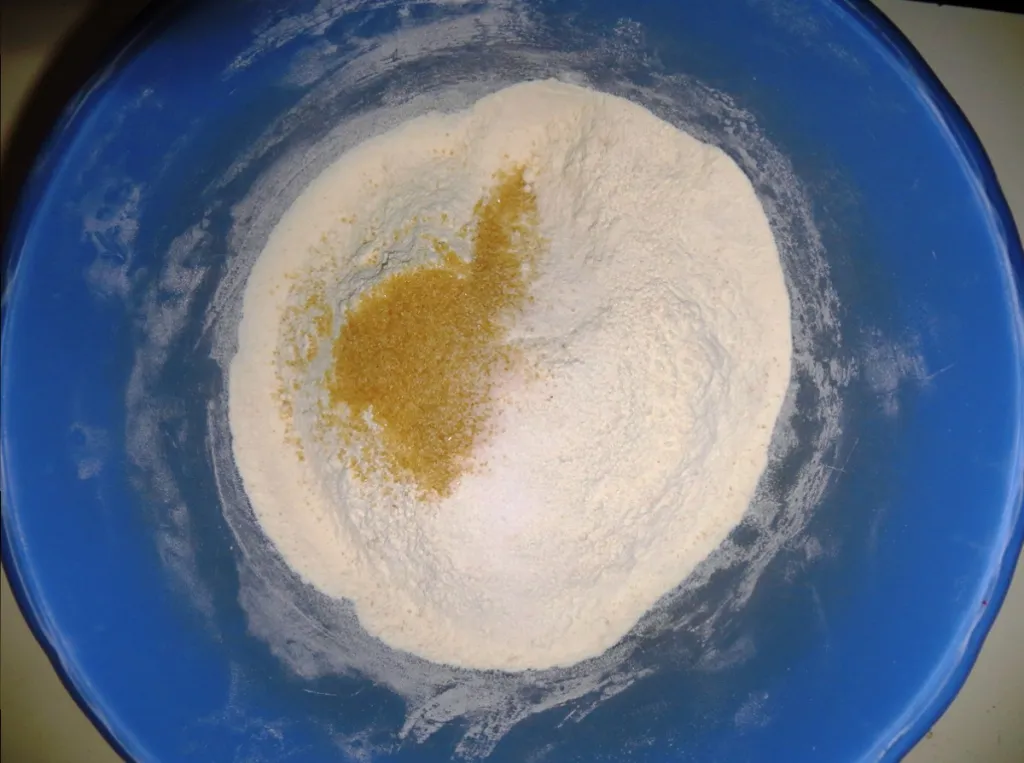
- Mix the dry ingredients
In a large bowl, combine the flour, baking powder and salt. Mix well to ensure even distribution.
- Form the dough
Gradually add warm water while mixing with your hands or a spoon. Bring the mixture together into a soft but firm dough. Add the oil if using.
- Knead lightly
Turn the dough onto a floured surface and knead gently for 3–5 minutes until smooth. Avoid over-kneading, as diphaphatha should remain tender.
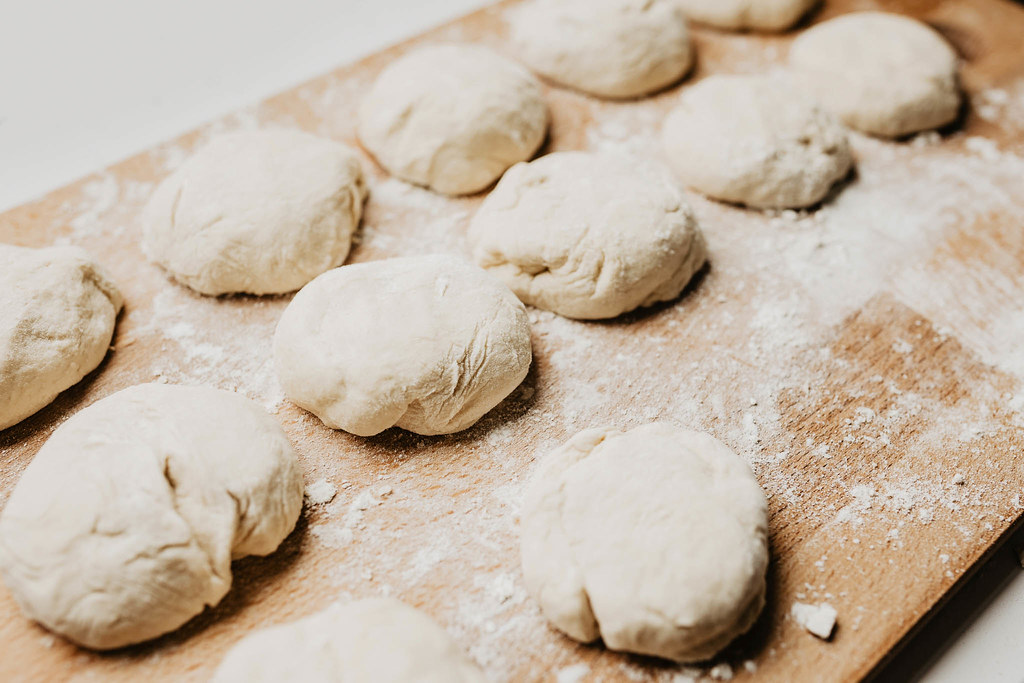
- Shape the dumplings
Divide the dough into medium-sized balls or flatten slightly into discs, depending on preference.
- Prepare for steaming
Line a steamer basket or colander with parchment paper or lightly greased foil. Arrange the dough pieces so they are not touching.
- Steam gently
Place over simmering water, cover tightly and steam for 30–40 minutes. Avoid lifting the lid too often, as this can affect the texture.
- Check for doneness
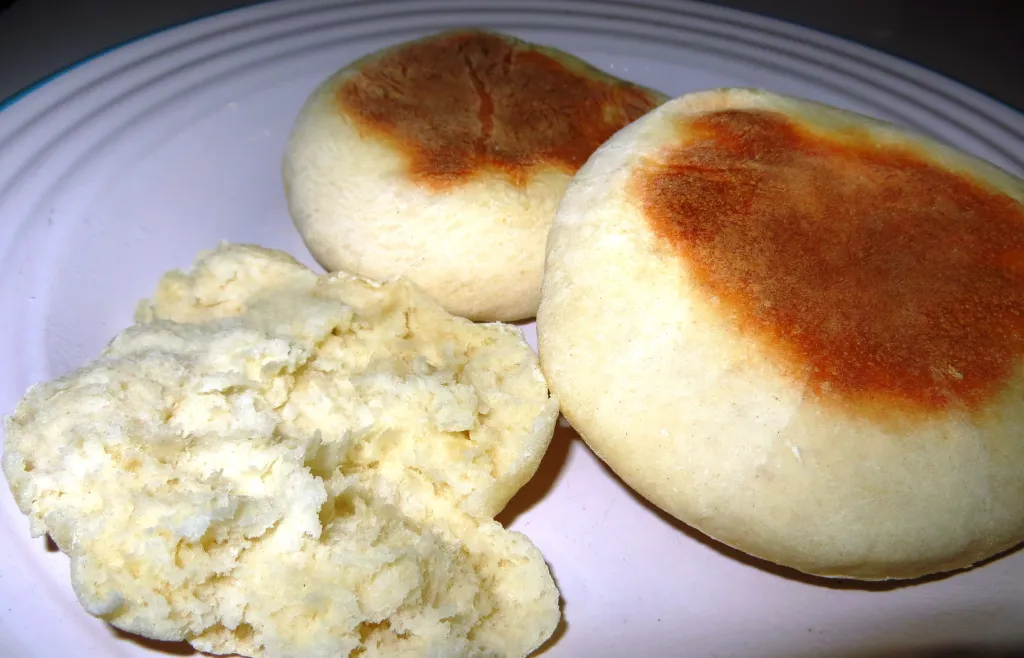
The diphaphatha should be firm, cooked through and slightly springy when pressed.
Serving suggestions
Traditionally, diphaphatha is served hot and torn apart by hand. It pairs beautifully with:
- Tea
- Seswaa (slow-cooked shredded beef)
- Chicken or goat stew
- Tomato and onion relish
- Stewed leafy greens such as morogo or spinach
Leftovers can be sliced and reheated by steaming or lightly pan-fried for a crisp exterior.
Variations and Modern Twists
While the classic version is plain, some cooks add grated pumpkin, maize meal or a pinch of sugar for subtle sweetness. In urban Botswana, you may also find diphaphatha served with contemporary dishes or used as a base for fusion meals.
Why Diphaphatha Deserves Global Attention
Diphaphatha embodies the soul of Botswanan home cooking: resourceful, nourishing and deeply communal. For global home cooks, it offers a simple, affordable way to explore Botswana’s food culture using ingredients already in most kitchens.
Whether you have it for breakfast, serve it with a traditional stew or your own favourite comfort dish, diphaphatha is a reminder that some of the world’s most meaningful foods are also the simplest.

