Botswana is often celebrated for its pristine wilderness and world-famous safaris. But beyond the Okavango Delta and Chobe National Park lies a rich and vibrant way of life shaped largely by the Tswana people—the country’s largest ethnic group. With deep cultural traditions, warm social values and a distinctive daily rhythm, Tswana lifestyle offers a fascinating lens into Botswana’s identity.
A Tapestry of Ethnic Groups
While the Tswana people represent the majority, Botswana is far from homogenous. The population is a blend of ethnic communities including the Kalanga, Basarwa (San), Herero and Bayei, each contributing their own traditions and languages. Setswana, however, remains the national language, woven into everyday communication and cultural expression.
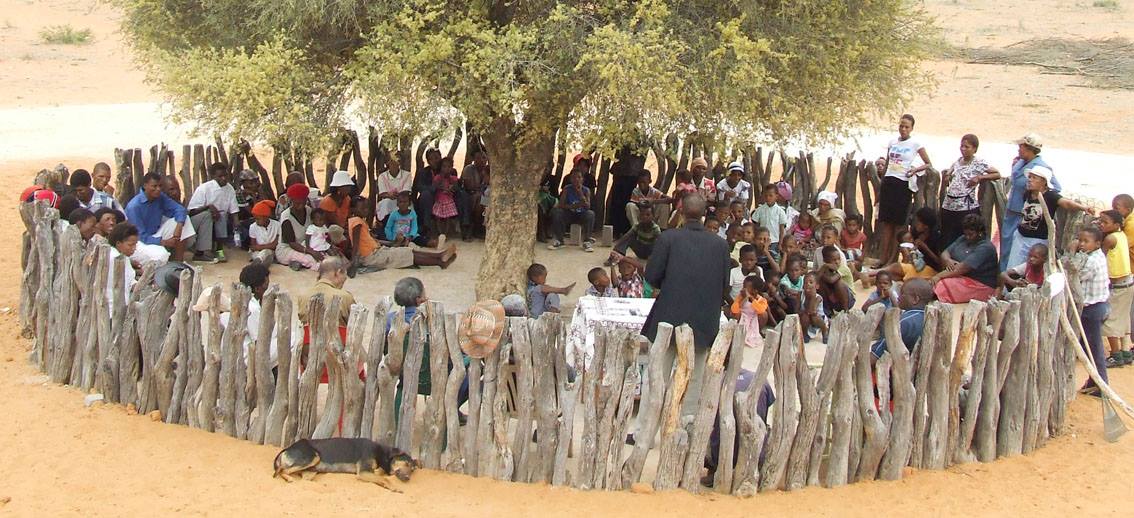
Tswana society places strong emphasis on botho—the concept of humanity, respect and communal harmony. This principle underpins social interaction, decision-making and community life, shaping everything from greetings to conflict resolution. The kgotla system—an open community meeting led by a chief or elder—is a cornerstone of Tswana governance, highlighting Botswana’s long-standing democratic culture.
Homes: From Traditional Huts to Modern Compounds
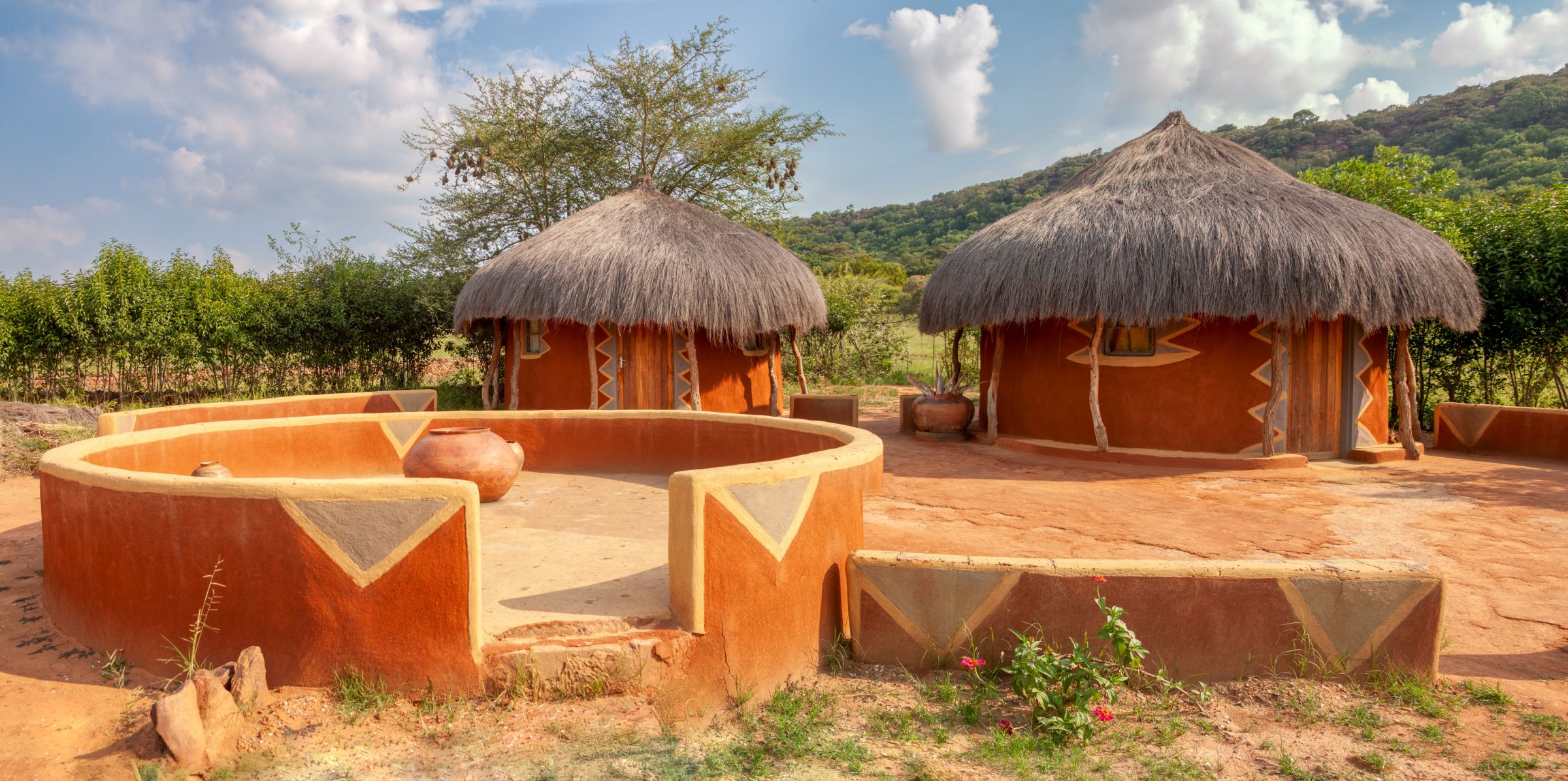
Traditional Tswana homes, known as morulas, are circular huts made of mud walls and thatched roofs. These structures are often arranged in a family compound with a shared courtyard. The central lolwapa (open space) serves as a communal area for cooking, storytelling and hosting guests.
In urban areas like Gaborone, Francistown and Maun, homes have evolved into modern brick houses, often with neatly maintained yards and shaded verandas. Many households still maintain a blend of old and new—traditional clay pots sit alongside stainless-steel cookware, and woven baskets share shelf space with contemporary décor.
Hospitality plays a significant role in Tswana homes. Visitors, whether expected or spontaneous, are warmly welcomed and offered refreshments, accompanied by lively conversation.
Cuisine: Simple, Hearty and Rooted in Tradition
Botswana’s cuisine reflects the agricultural rhythms and pastoral traditions of Tswana life. Meals are hearty and unpretentious, built around local ingredients such as sorghum, millet, maize and beef.
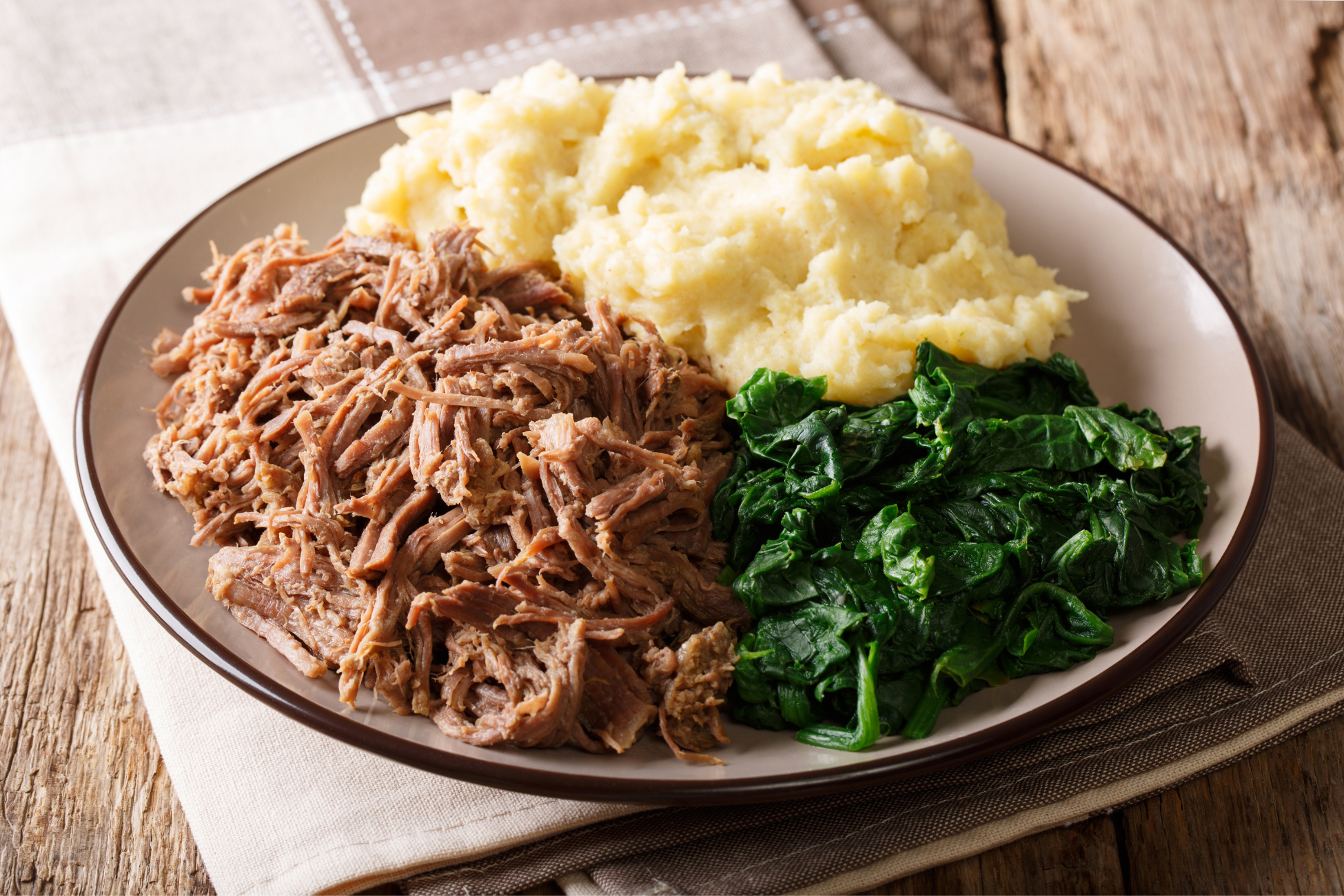
One of the most iconic dishes is seswaa—shredded, slow-cooked beef (or goat) simmered with salt and water until tender. It is typically served with pap, a thick maize porridge that features in most meals. Morogo (wild spinach), bogobe (sorghum porridge) and dikgobe (a mix of beans and maize) remain staple accompaniments.
Street food culture is growing too. In towns and villages, it’s common to find grilled beef, chicken or boerewors served with chakalaka or fresh salads. Traditional drinks like mahewu (a fermented maize beverage) continue to be enjoyed alongside modern favourites.
Culture, Values and Social Rhythms
Tswana culture values modesty, respect for elders and strong family ties. Greetings are essential and often elaborate, with handshakes, bows or verbal exchanges symbolising mutual respect. The Setswana saying “Motho ke motho ka batho”—a person is a person through others—captures the spirit of interdependence.
Music and dance are integral to celebrations. Traditional performances often include rhythmic clapping, drumming and harmonic singing. Ceremonies such as weddings, harvest festivals and initiation rites remain important cultural markers, blending ancestral practices with contemporary influences.
Cattle rearing is historically central to Tswana identity. Even today, cattle are a sign of wealth and status, often playing key roles in marriage negotiations and community events.

Daily Lifestyle: Tradition and Modernity
Daily life in Botswana balances traditional routines with modern urban living. In rural areas early mornings see many families tending to livestock, preparing breakfast. Farming activities such as ploughing, harvesting and craftmaking remain common.
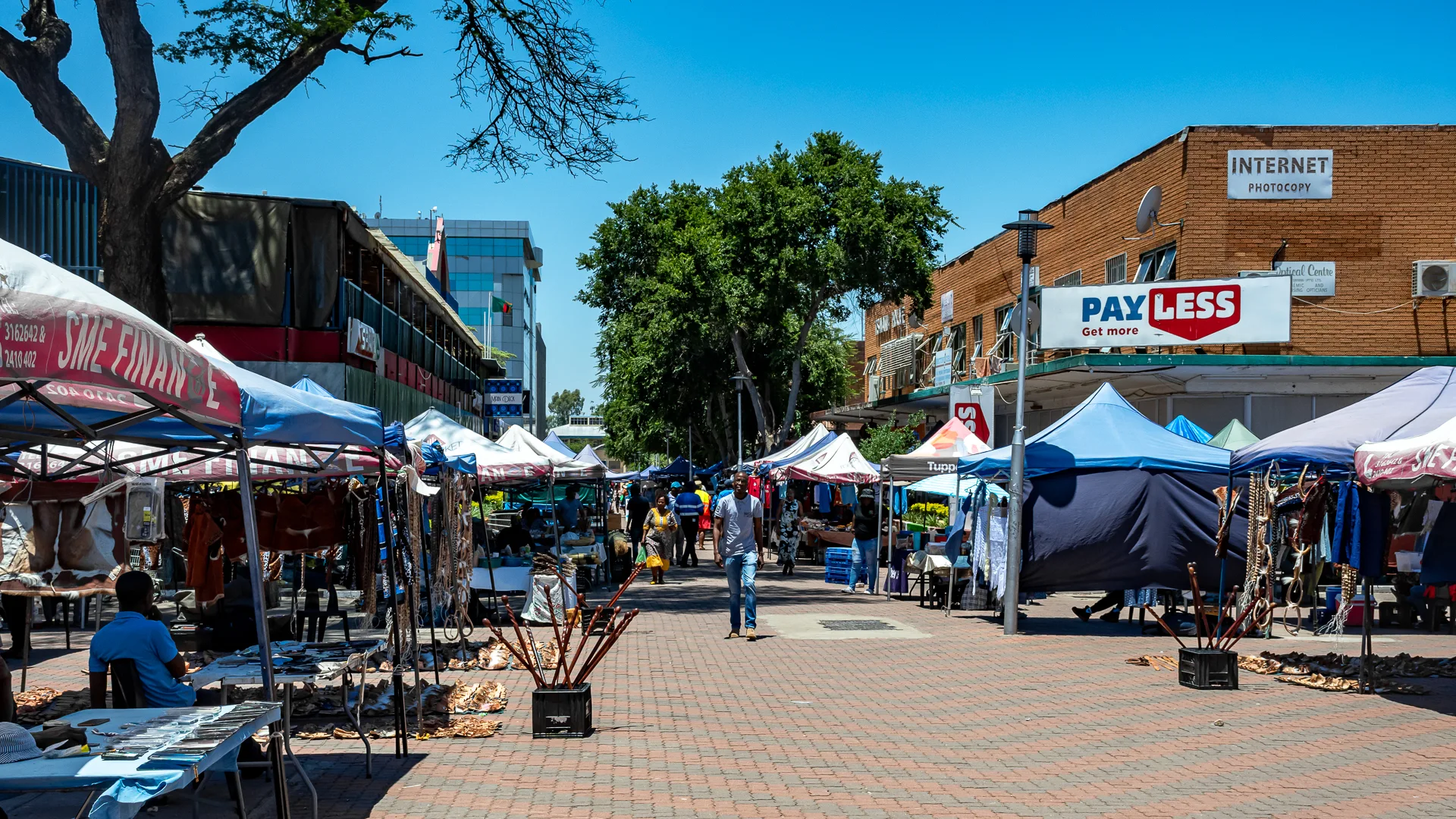
Urban lifestyles mirror much of the global rhythm—office jobs, shopping malls, cafés and weekend social outings. Markets are lively hubs where fresh produce, handmade baskets and vibrant textiles are sold. Shopping local is not just a habit—it’s a way of supporting artisans and preserving heritage.
Evenings often revolve around family time, whether sharing a simple home-cooked meal or sitting outdoors under Botswana’s famously clear skies.
In all these arenas, the essence of Tswana life endures: community gatherings, shared meals, storytelling and a relaxed pace that values human connection over hurry.