

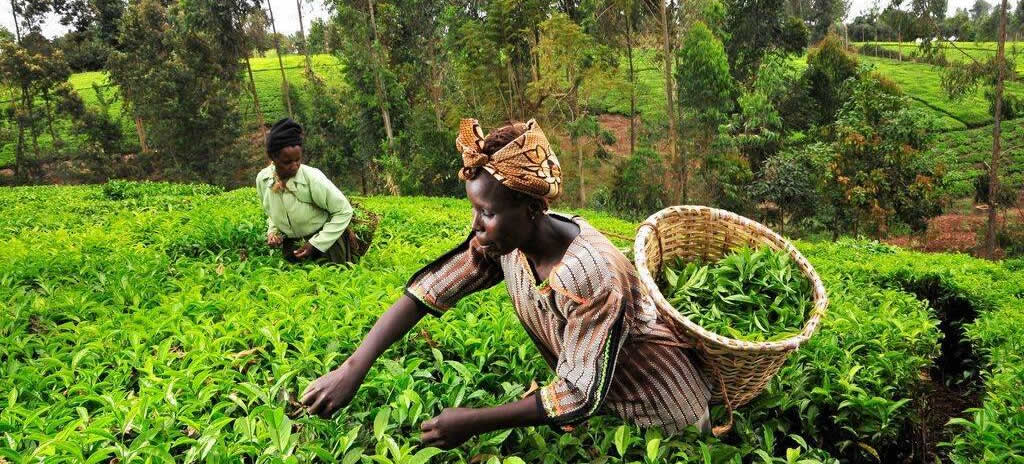
When it comes to tea, Africa has a treasure trove of aromatic infusions that stretch far beyond the familiar English breakfast blend. From the windswept mountains of Kenya to the deserts of Morocco, tea culture is a deeply rooted in daily life. These are not just beverages—they’re expressions of identity, hospitality, and wellness. Whether you’re a seasoned tea lover or just beginning to explore global brews, here are seven African teas you should absolutely sip.
Kenyan Black Tea – The Bold Brew
Kenya is one of the world’s top exporters of black tea, and for good reason. Grown in the highlands at altitudes over 2,000 metres, Kenyan tea is strong, brisk, and full-bodied—perfect for morning pick-me-ups.
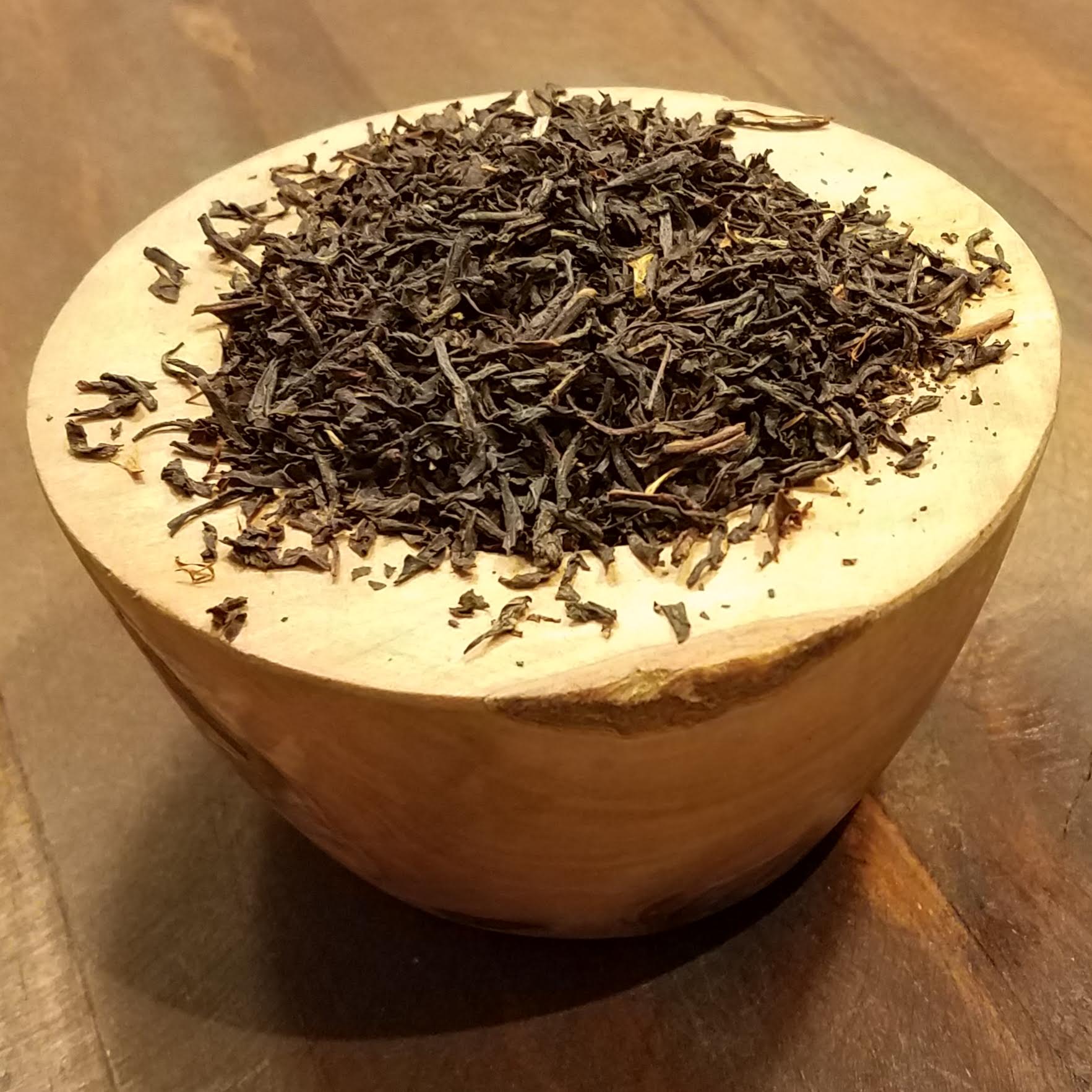
Brewing tip: Steep 1 teaspoon of loose-leaf tea in boiling water for 3–5 minutes. Add milk and sugar if desired.
Occasion: Served at breakfast or during afternoon chai breaks in Kenyan homes.
Utensils: Often brewed in kettles or enamel teapots and served in sturdy mugs.
Rooibos – South Africa’s Red Gold
Hailing from the Cederberg region, rooibos (or red bush) tea is naturally caffeine-free and rich in antioxidants. With its smooth, earthy flavour and slight sweetness, it’s a favourite among health-conscious sippers.

Brewing tip: Use freshly boiled water and steep for 5–7 minutes. Great with honey, lemon or even cold-brewed.
Occasion: Enjoyed any time of day, often shared with guests as a sign of welcome.
Utensils: Typically served in ceramic cups; no milk necessary.
Moroccan Mint Tea – A Refreshing Ritual
This iconic North African tea blends green tea (usually Chinese gunpowder) with fresh spearmint and a generous helping of sugar. It’s both a drink and a performance—poured from a height to create a frothy head.
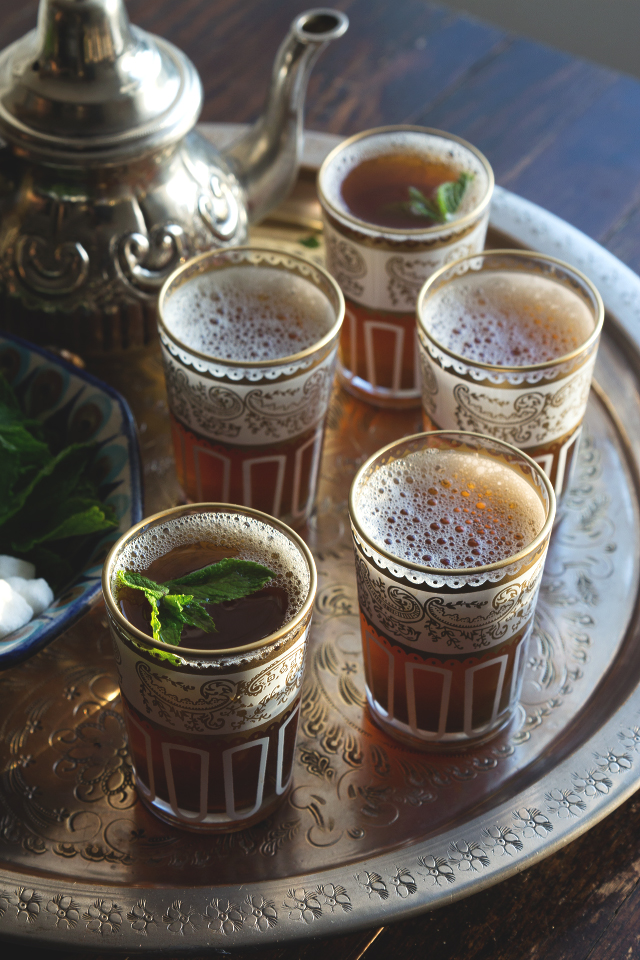
Brewing tip: Boil green tea leaves with mint and sugar; let steep 3 minutes. Pour from a height to aerate.
Occasion: Served at every social gathering—meetings, meals, weddings, or even business deals.
Utensils: Silver teapots and small decorated glasses complete the ceremonial experience.
Ethiopian Kuti – The Forest Brew
Kuti, or kuti chai, is a traditional Ethiopian tea made by boiling dried coffee leaves with spices like cinnamon and cloves. It’s milder than coffee but still carries a gentle buzz.
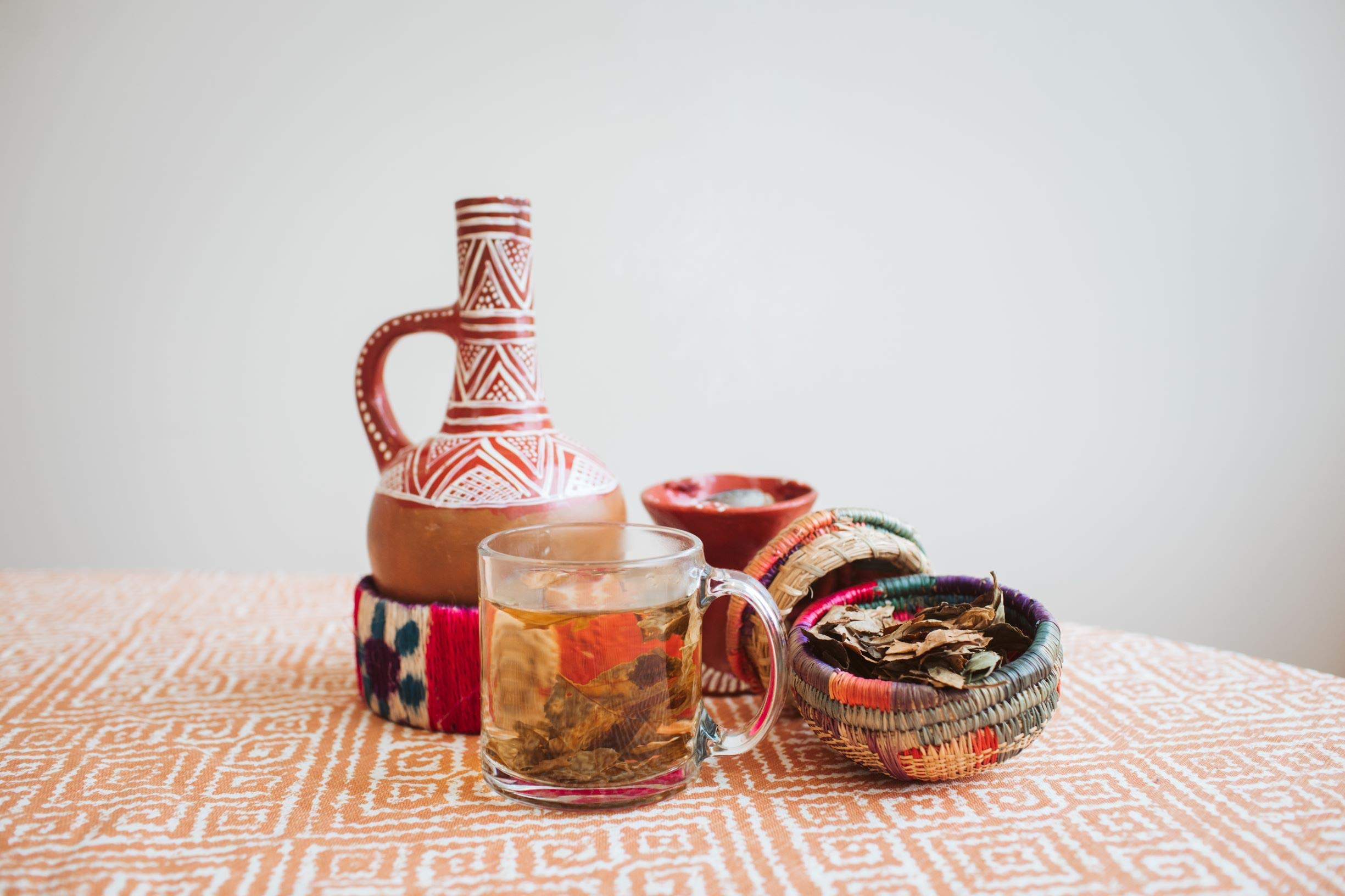
Brewing tip: Simmer coffee leaves with water and spices for 10–15 minutes. Sweeten to taste.
Occasion: Common in rural communities and as an alternative to coffee during fasting periods.
Utensils: Poured from metal pots into simple clay or glass cups.
Ghanaian Lemongrass Tea – Herbal Zest
Fresh or dried lemongrass, known locally as fever grass, is a go-to herbal tea in Ghana for its soothing, citrusy notes and calming effect.
Brewing tip: Crush fresh lemongrass and boil in water for 5–10 minutes. Add ginger for a kick.
Occasion: Sipped in the evenings or during times of illness.
Utensils: Usually brewed in open pots and strained into mugs or cups.
Tunisian Rose & Orange Blossom Tea – Floral Harmony
In Tunisia, tea often comes with floral flair. Green tea is delicately scented with rose petals or orange blossom water, served in ornate glassware.
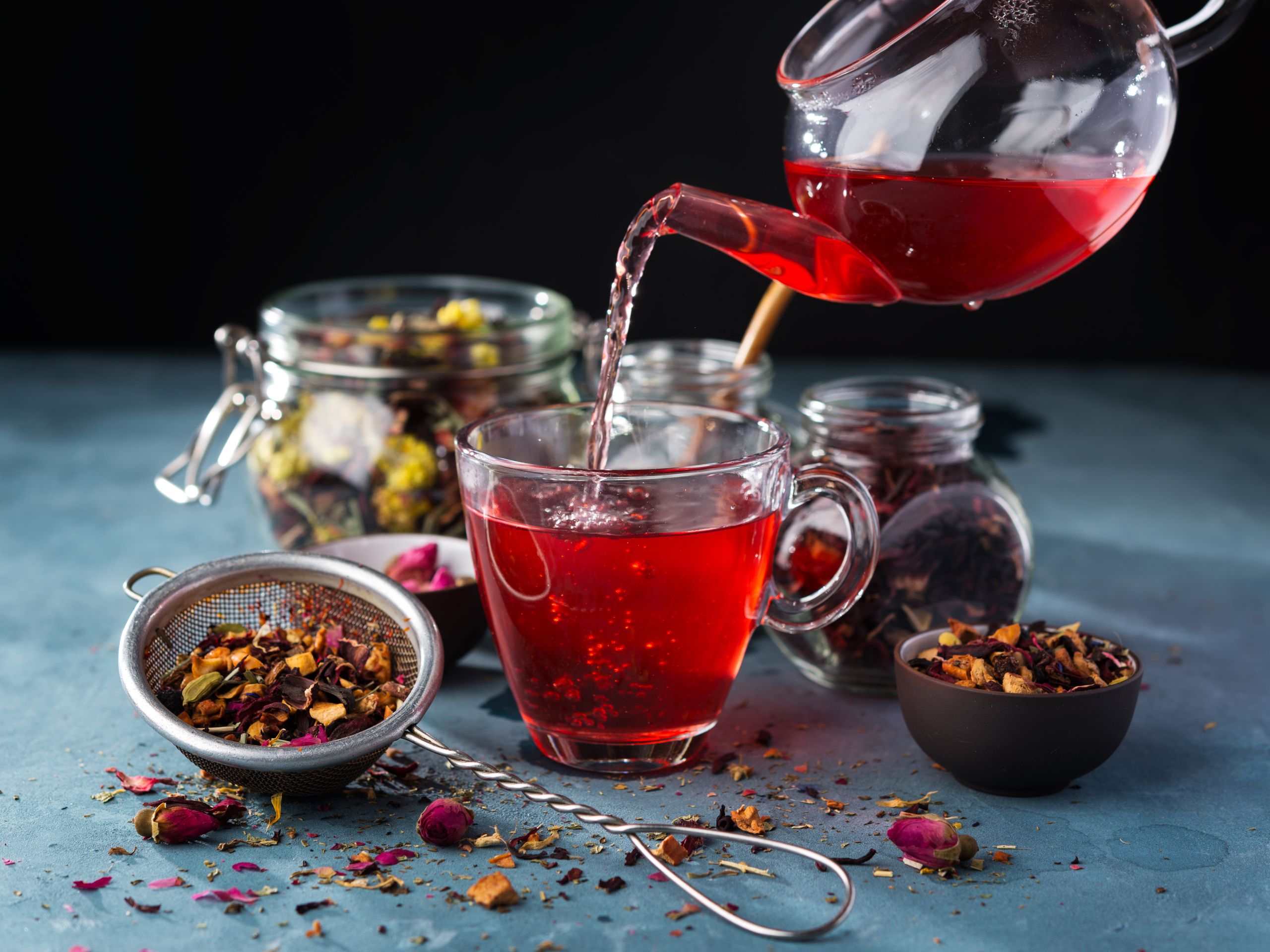
Brewing tip: Brew green tea and add dried rose petals or a splash of orange blossom water just before serving.
Occasion: Offered during special meals, Ramadan evenings, or bridal celebrations.
Utensils: Crystal-clear tea glasses highlight the colour and elegance.
Malawian White Tea – The Gentle Sip
A lesser-known gem, Malawi’s white tea is hand-picked and minimally processed, resulting in a light, smooth cup with notes of hay and honey.
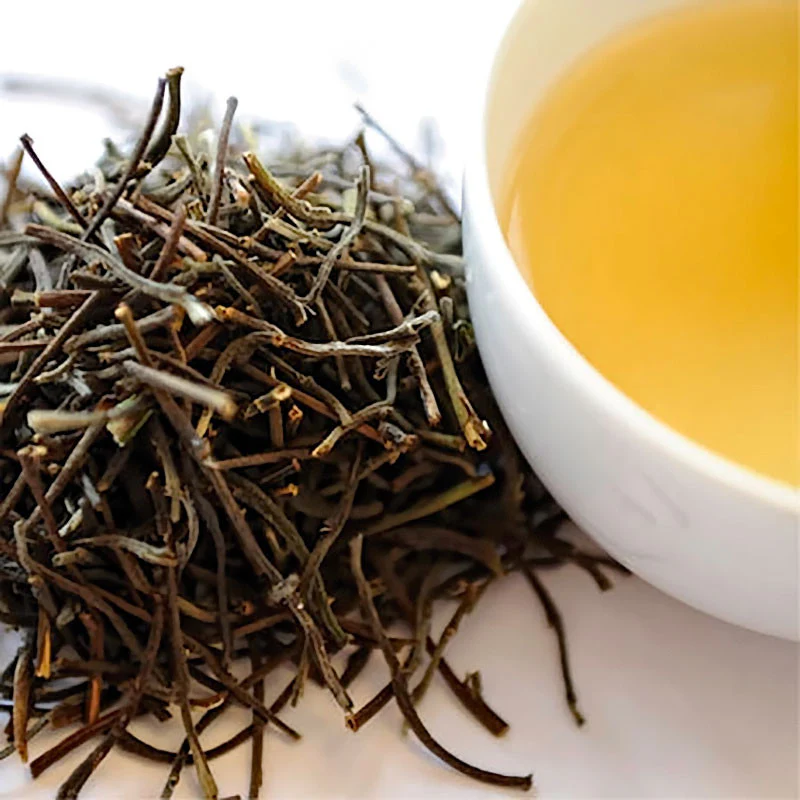
Brewing tip: Use water just below boiling and steep for 2–3 minutes. Don’t over-brew—it’s subtle.
Occasion: Best enjoyed in peaceful moments—early mornings, meditation, or journaling.
Utensils: Serve in fine porcelain or glass to appreciate the delicate hue.
Final Sip
Many of these brews are available globally—look for them in grocery stores, online tea boutiques, or specialty retailers.

